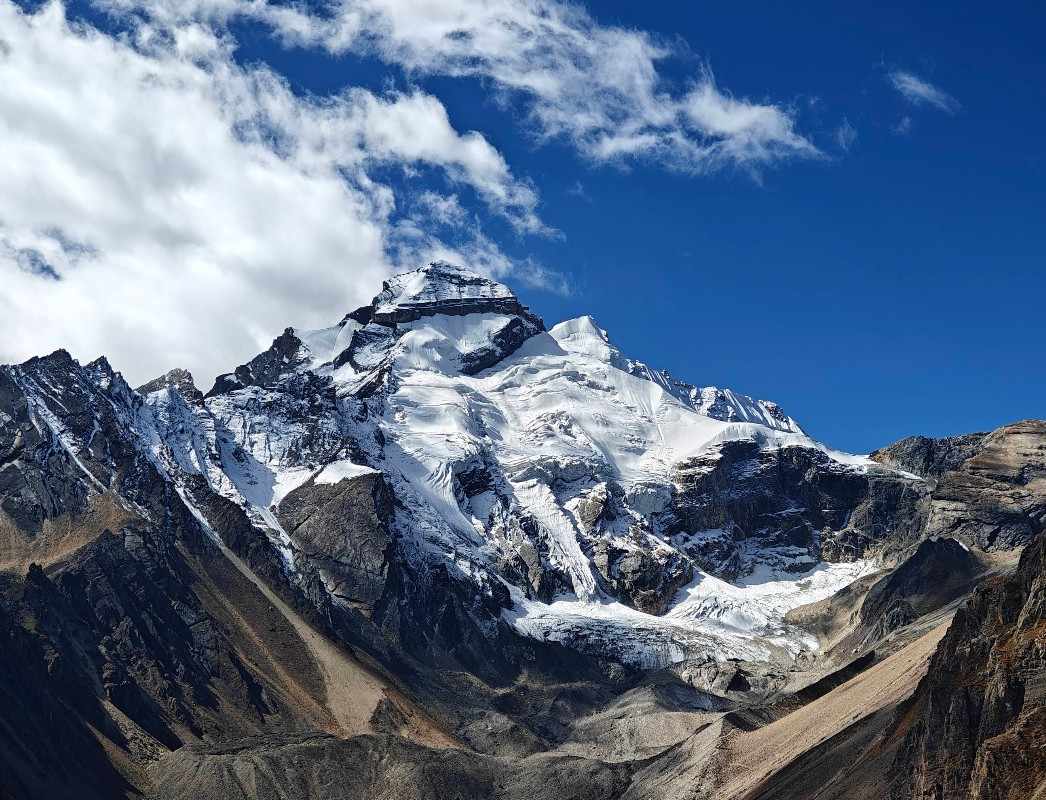
Planning a journey to Adi Kailash is not just about travel. It is about timing, preparation, and understanding the rhythm of the Himalayas. Often called Chhota Kailash, this sacred peak holds deep spiritual value for devotees of Lord Shiva and attracts both pilgrims and trekkers.
But here is the truth. A wrong travel window can turn your spiritual journey into a logistical nightmare. Weather, road conditions, and permits play a huge role here. So let’s break it down in a clear, practical, and realistic way.
Why Timing Matters for Adi Kailash Yatra
Adi Kailash sits in the remote region of Pithoragarh district near the Indo-Tibetan border. The terrain stays harsh for most of the year.
Snow blocks routes in winter. Monsoon brings landslides. Even in summer, the weather can change quickly. So choosing the right season is not optional. It is essential.
Unlike popular hill stations, this is not a “visit anytime” destination. You need a safe window where roads remain open and visibility stays clear.
Best Time to Visit Adi Kailash
Summer Season (May to June)
This is the most recommended time for the Adi Kailash Yatra.
The snow starts melting, roads reopen, and the weather becomes relatively stable. Day temperatures stay comfortable, while nights can still feel cold.
During this time, you get:
Clear mountain views
Accessible roads up to key points like Dharchula
Safer trekking conditions
Pilgrim movement also starts picking up, which means better support and logistics.
Monsoon Season (July to September)
This period is tricky.
Heavy rainfall affects the entire Kumaon region, especially routes connecting Gunji village and nearby areas.
Landslides become common. Roads may close without warning. Rivers swell and create risky crossing conditions.
Still, some people travel during early monsoon for greenery and fewer crowds. But realistically, this is not the safest time.
Autumn Season (September to October)
This is the hidden gem window.
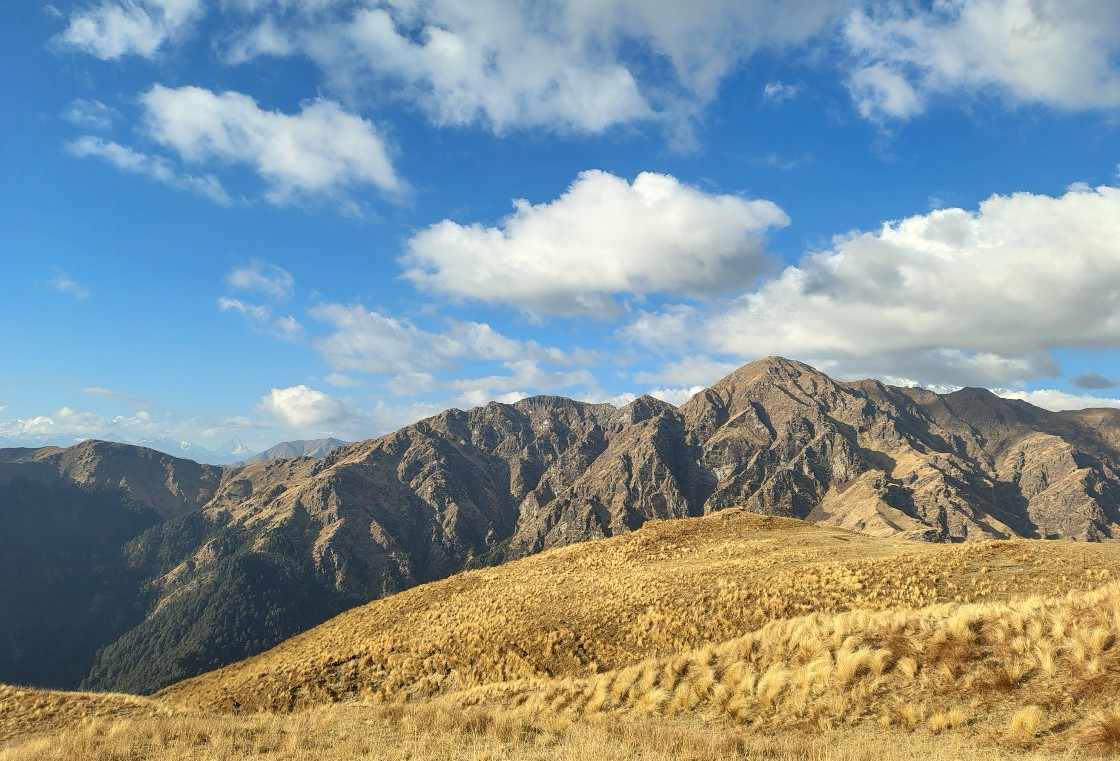
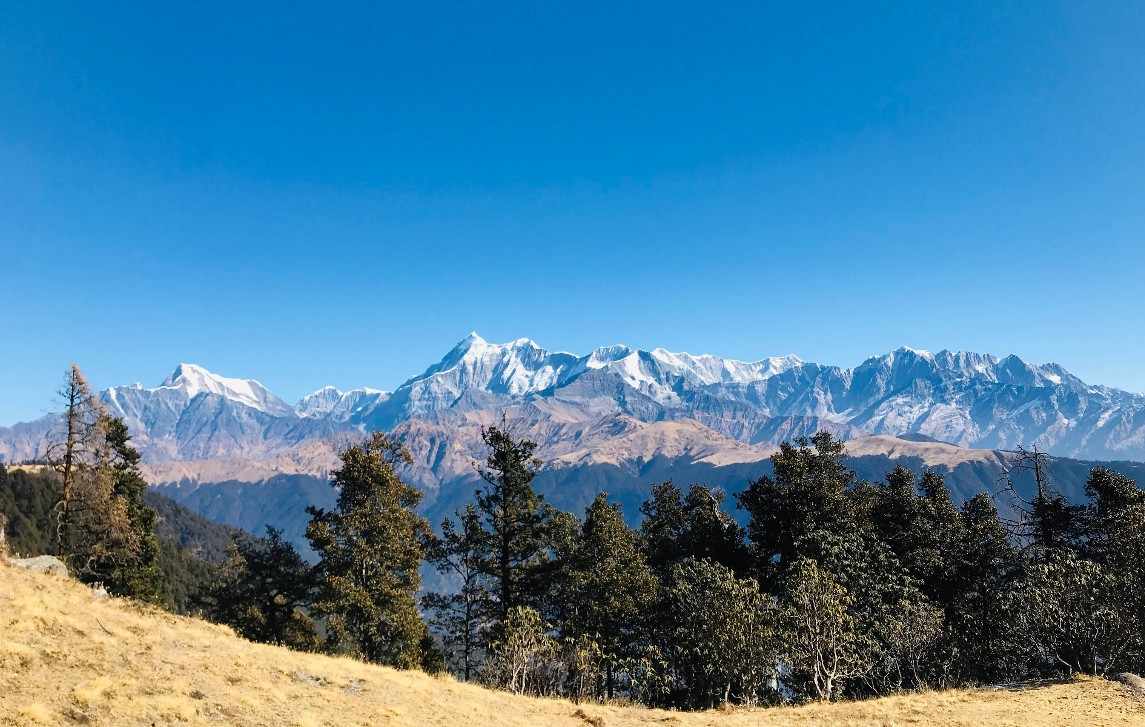
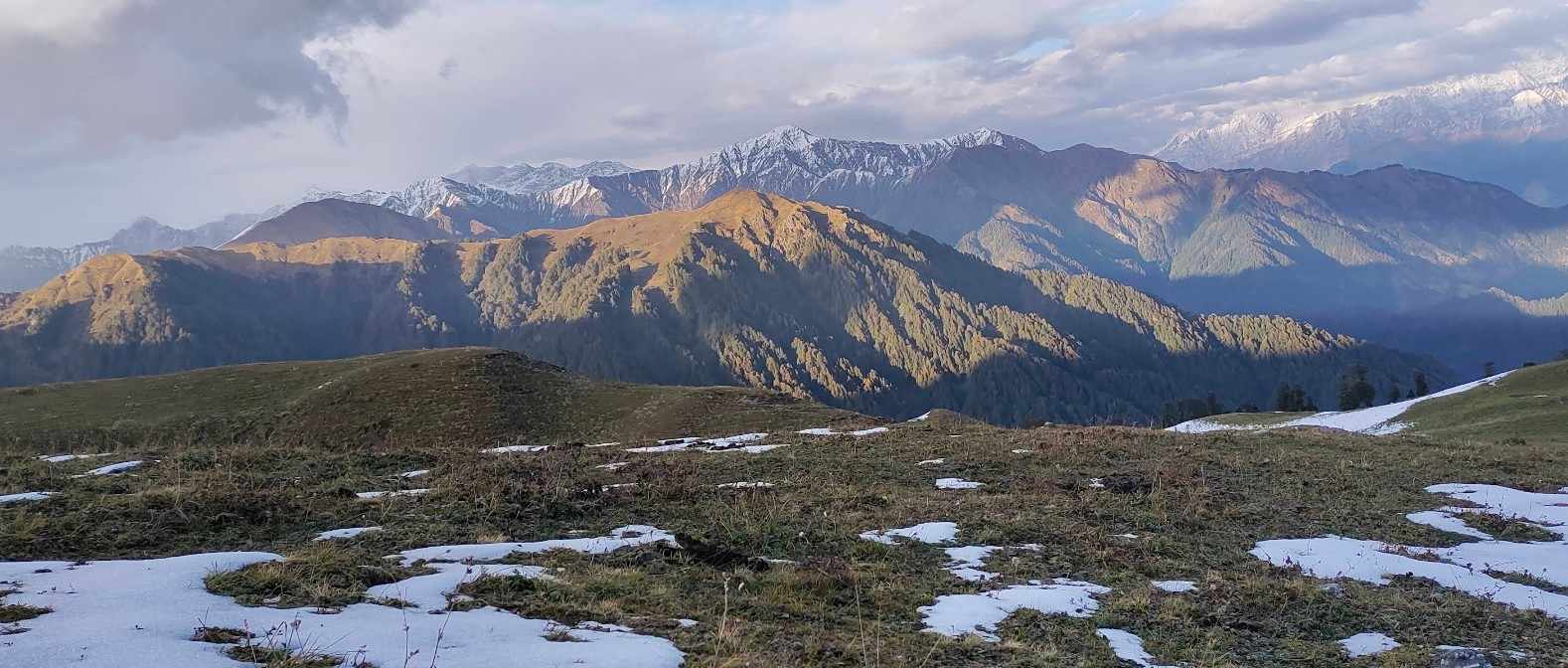
After the monsoon clears, the landscape turns fresh and vibrant. Skies remain crystal clear, offering some of the best views of Adi Kailash.
Temperatures start dropping, but conditions remain stable.
This season offers:
Sharp mountain visibility
Clean air and less haze
Balanced crowd levels
If you want both safety and scenic beauty, this is arguably the best time.
Winter Season (November to April)
Winter shuts down the region.
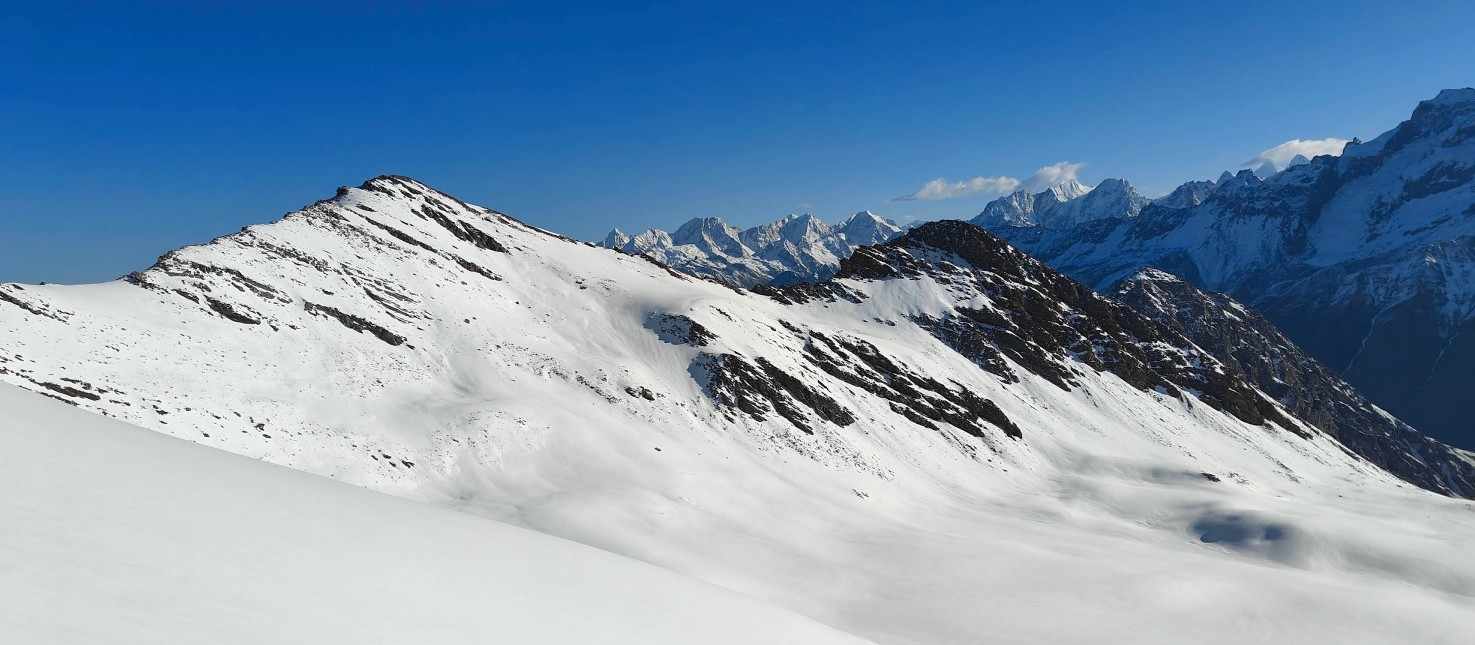
Heavy snowfall cuts off access routes. Villages near Adi Kailash become isolated. Even local movement reduces drastically.
Unless you are part of a specialized expedition with proper permissions, avoid this season completely.
Ideal Months at a Glance
Best months: May, June, September, October
Avoid: Peak monsoon and winter
Shoulder months: Early July and late October (only if conditions are stable)
How to Reach Adi Kailash
Reaching Adi Kailash requires multiple stages. There is no direct route.
Step 1: Reach Kathgodam or Haldwani
Start your journey from Kathgodam railway station, the nearest railhead.
From here, road travel begins.
Step 2: Drive to Dharchula
The route passes through scenic Himalayan towns like:
Almora
Pithoragarh
Dharchula acts as the base for permits and final preparation.
Step 3: Dharchula to Gunji
This stretch requires Inner Line Permits due to proximity to the international border.
The route goes through:
Tawaghat
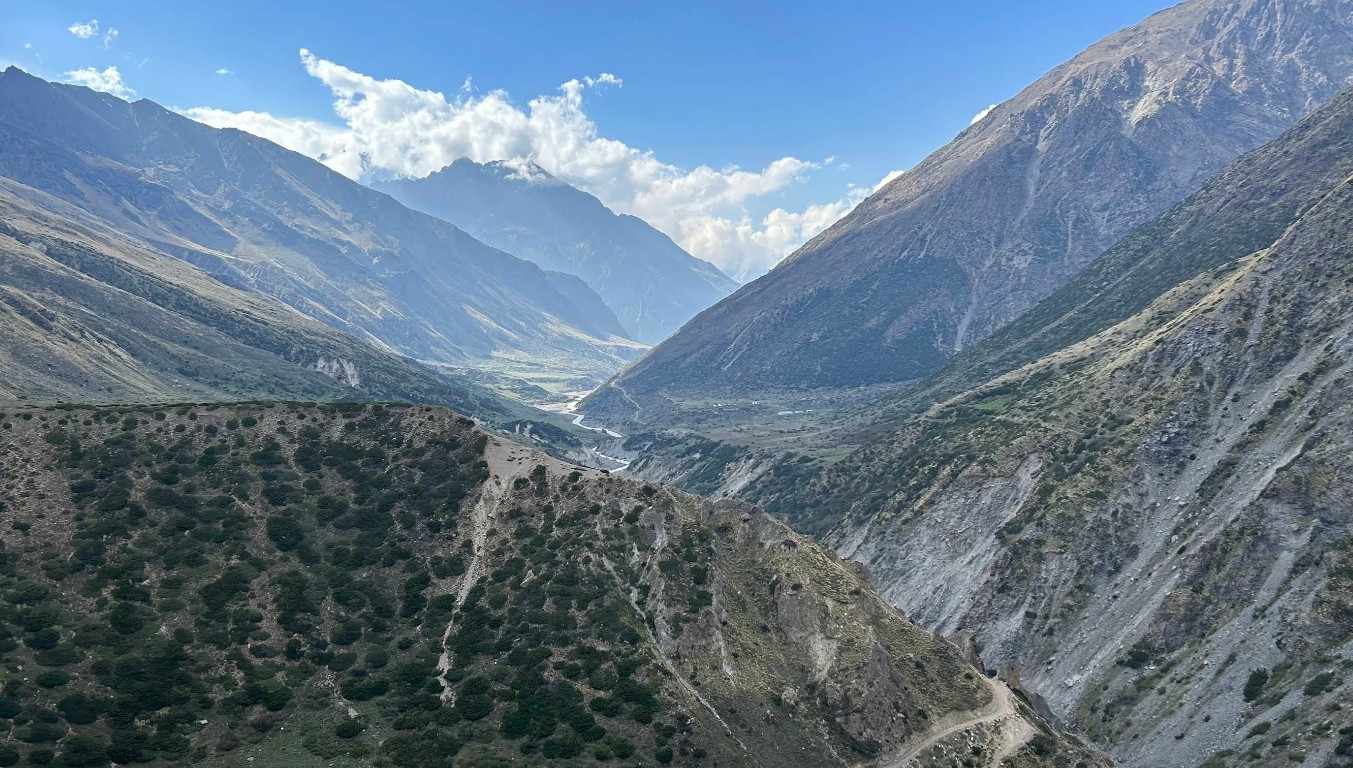
Remote mountain roads with rough patches
Expect basic infrastructure and long travel hours.
Step 4: Final Stretch to Adi Kailash
From Gunji, you travel toward:
Nabi village
Jolingkong
From here, you get the iconic view of Adi Kailash along with Parvati Sarovar.
Here is the Detailed Itinerary of Adi Kailash Trek Package
Permits and Documentation
Since this region lies near the India-Nepal-China border, you need official permissions.
You must obtain:
Inner Line Permit from local authorities in Dharchula
Valid ID proof
Medical fitness certificate
Security checks remain strict. Do not skip paperwork.
Physical Fitness and Preparation
Let’s be honest. This is not an easy trip.
Even though roads have improved, the altitude and terrain still demand basic fitness.
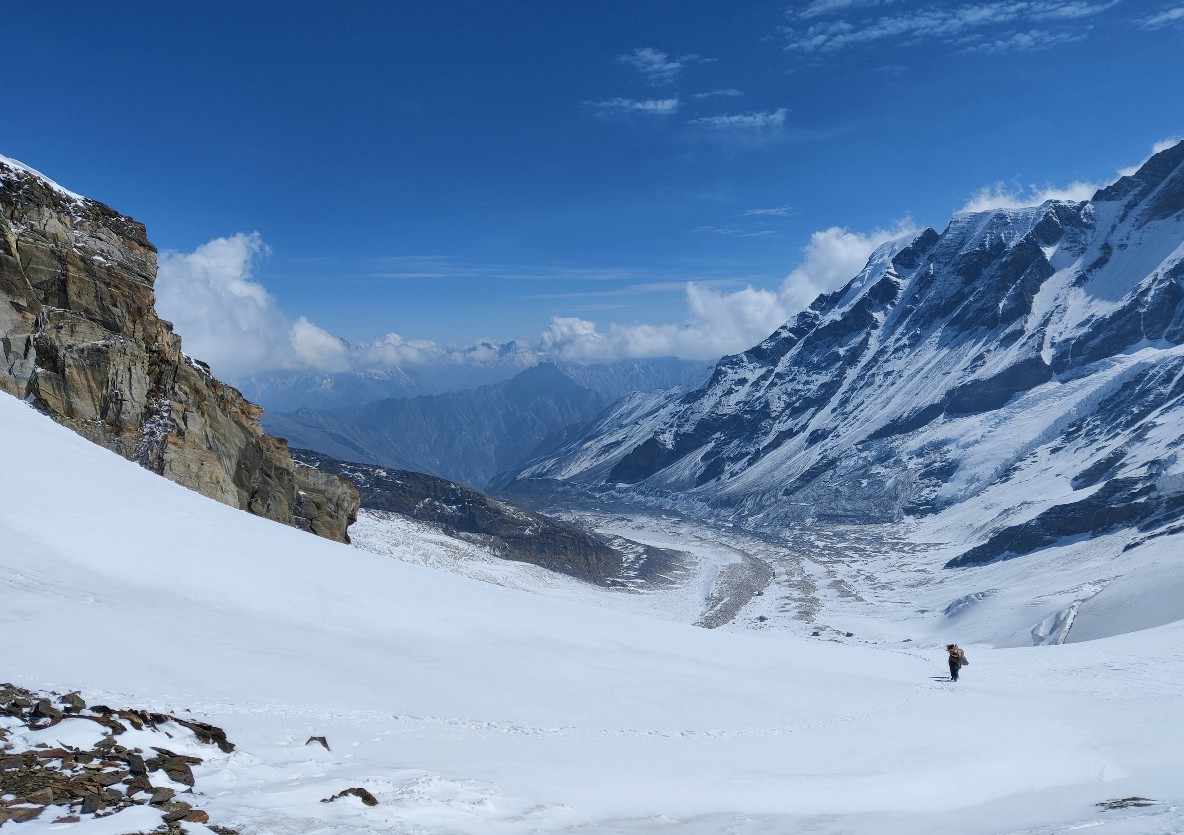
Altitude in the region crosses 4,500 meters near Adi Kailash.
Common challenges:
Breathlessness
Fatigue
Mild altitude sickness
You should:
Walk regularly before the trip
Avoid alcohol and smoking
Stay hydrated
No need to train like an athlete, but basic stamina is non-negotiable.
Accommodation Options
Accommodation remains simple and functional.
You will mostly find:
Guesthouses in Dharchula
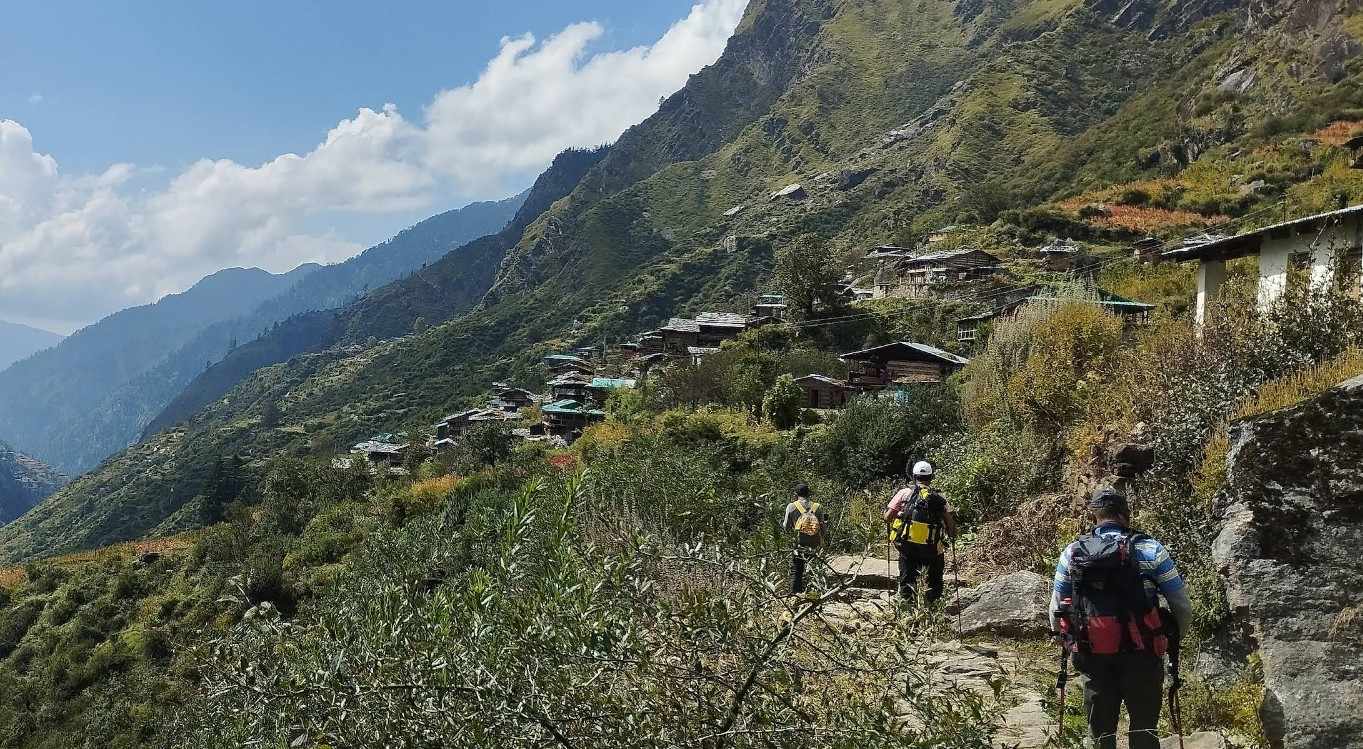
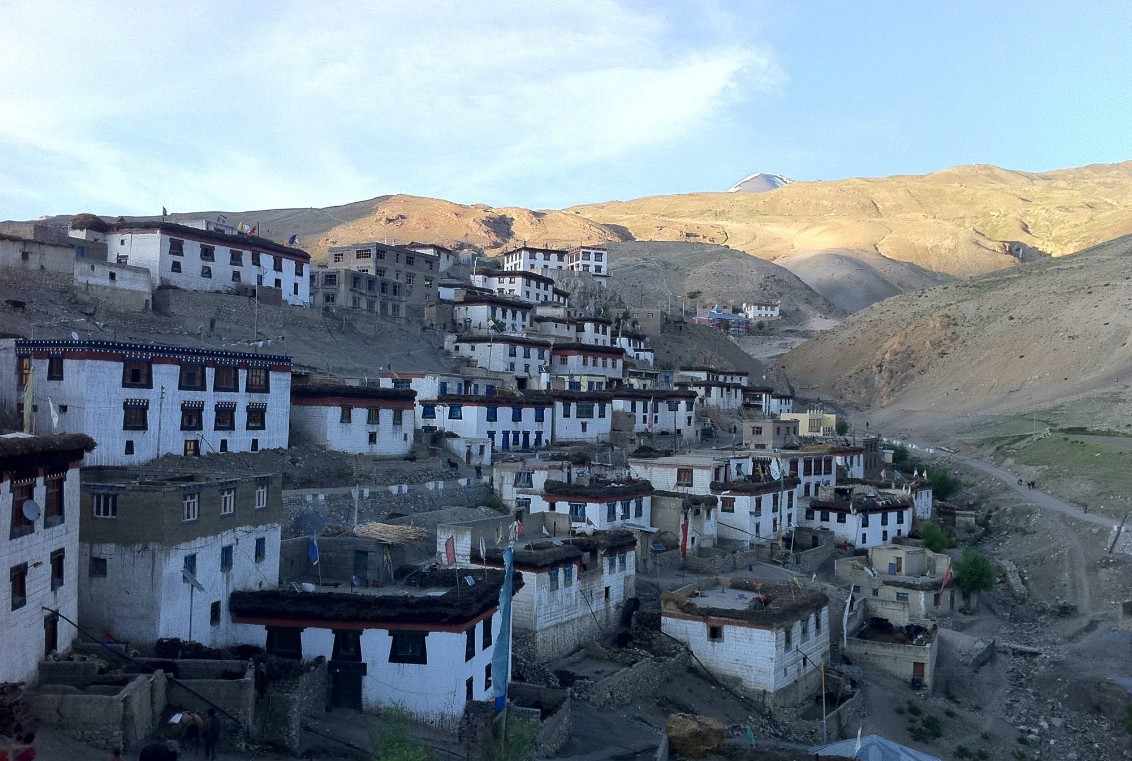
Homestays in Gunji and nearby villages
Basic camps near Jolingkong
Do not expect luxury. Expect clean beds, simple food, and warm hospitality.
Food and Essentials
Food options stay limited but sufficient.
Typical meals include:
Rice, dal, roti
Basic vegetables
Tea and snacks
Carry:
Energy bars
Dry fruits
Personal medicines
Mobile network works only in limited areas like Dharchula. Beyond that, expect minimal connectivity.
Spiritual Significance of Adi Kailash
Adi Kailash holds deep mythological importance.
Devotees believe it mirrors the sacred Mount Kailash, the divine abode of Lord Shiva.
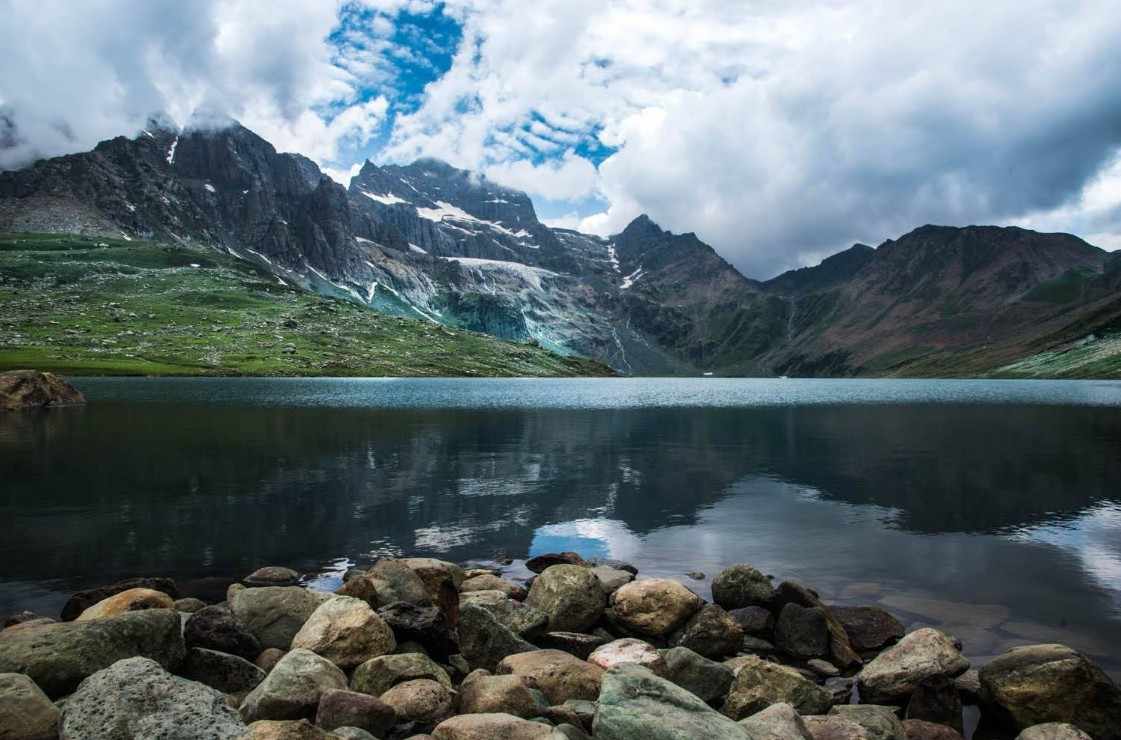
Nearby lies Parvati Sarovar, where pilgrims perform rituals and prayers.
The atmosphere feels शांत, powerful, and deeply spiritual. Even non-religious travelers often describe a sense of calm here.
Travel Tips for a Safe Journey
A little planning can save you from big problems.
Start early each day to avoid weather surprises
Keep buffer days for delays
Follow local advice seriously
Respect army and administrative rules
Avoid overpacking
And one important thing. Do not rush. The Himalayas do not reward hurry.
Common Mistakes to Avoid
Many travelers make predictable errors.
Ignoring weather updates
Underestimating travel time
Skipping acclimatization
Carrying unnecessary luggage
Avoid these, and your journey becomes much smoother.
Final Thoughts
Visiting Adi Kailash is not just about ticking off a destination. It is about experiencing a rare combination of spirituality, isolation, and raw Himalayan beauty.
The best time to visit Adi Kailash remains May to June and September to October. These months offer the right balance of accessibility, safety, and scenic views.
Plan well, travel responsibly, and keep expectations realistic. This is not a luxury holiday. It is a meaningful journey.
And once you stand in front of Adi Kailash, all the effort suddenly makes sense.



Write a comment ...