
If you are planning a short Himalayan escape from Rishikesh, you have probably heard about the famous trek to Kunjapuri Temple. But here is the real question most travellers ask: Should you go for sunrise or sunset?
Both experiences offer stunning views of the Garhwal Himalayas. Both feel spiritual. Both look fantastic on Instagram. But they are not the same.
In this detailed guide, we will compare the sunrise and sunset trek to Kunjapuri based on weather, crowd levels, photography, safety, spiritual vibe, and overall experience. We will rely only on verified geographical facts and known Himalayan viewpoints. No random claims. No exaggeration. Just clear information to help you choose wisely.
Where Is Kunjapuri and Why Is It Special?
Kunjapuri Temple sits at an altitude of around 1,676 meters in the Tehri Garhwal district of Uttarakhand. It lies about 25 km from Rishikesh by road. Many trekkers start from Hindolakhal and tapovan or nearby villages and hike uphill to the temple.
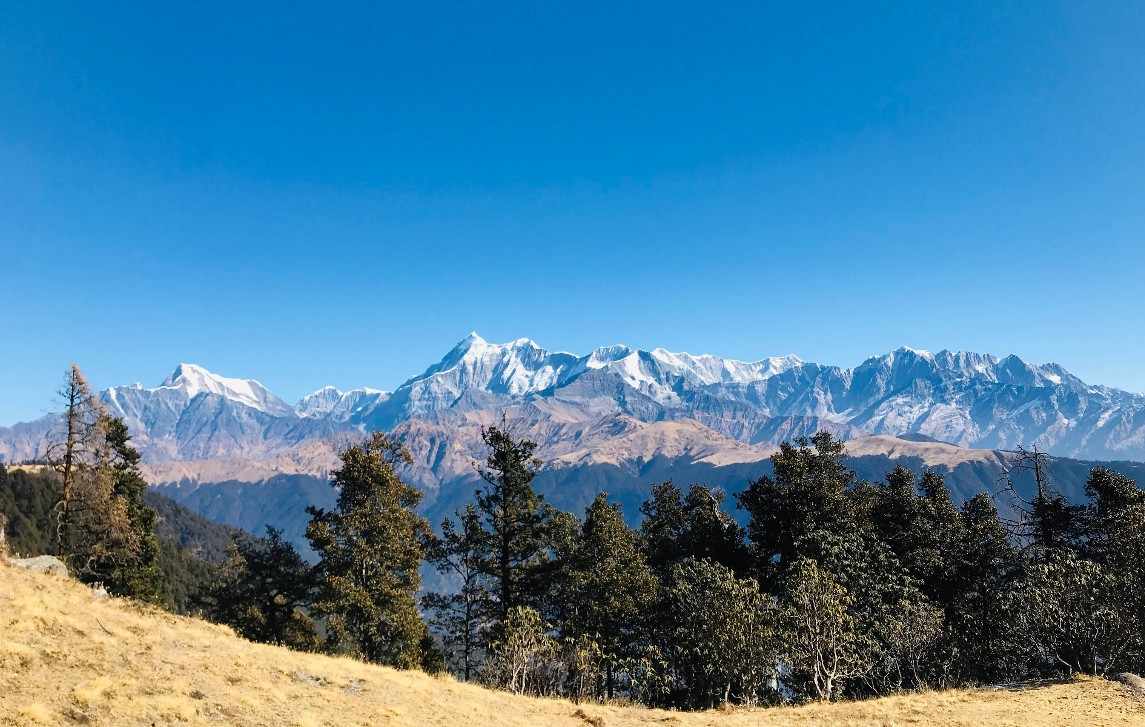
The temple is one of the 52 Shakti Peeths in Uttarakhand, and locals consider it highly sacred. From the top, you get wide-angle views of Himalayan peaks such as:
Swargarohini
Gangotri
Chaukhamba
Bandarpunch
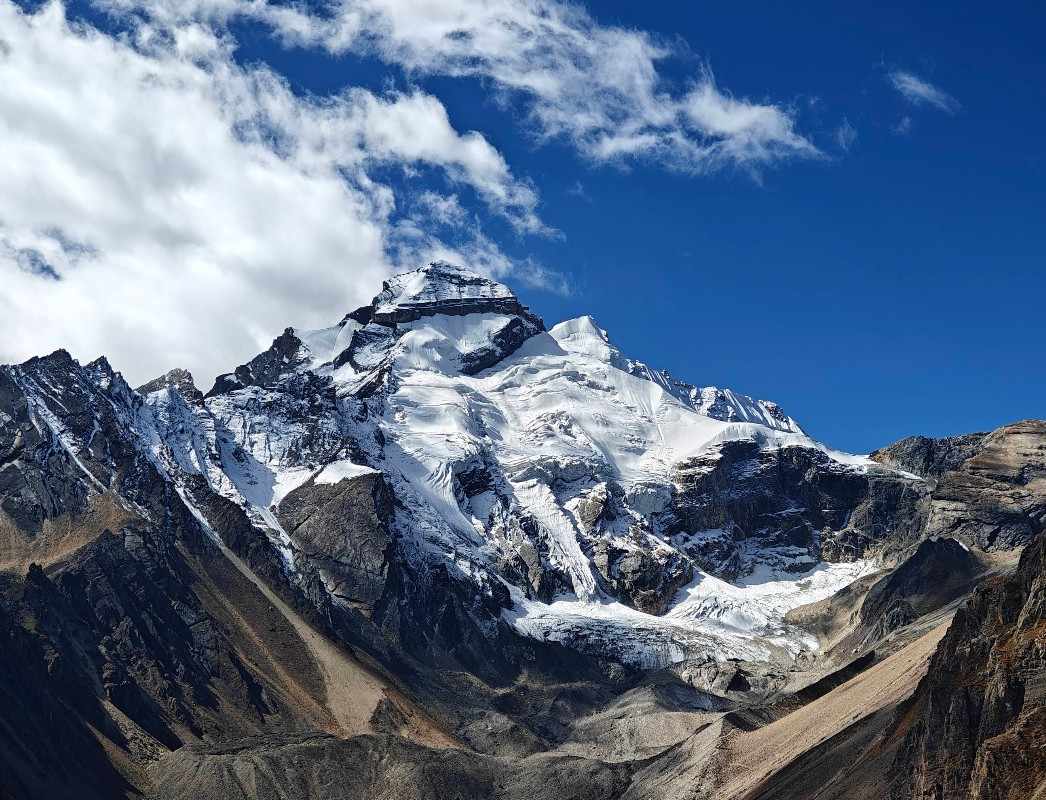
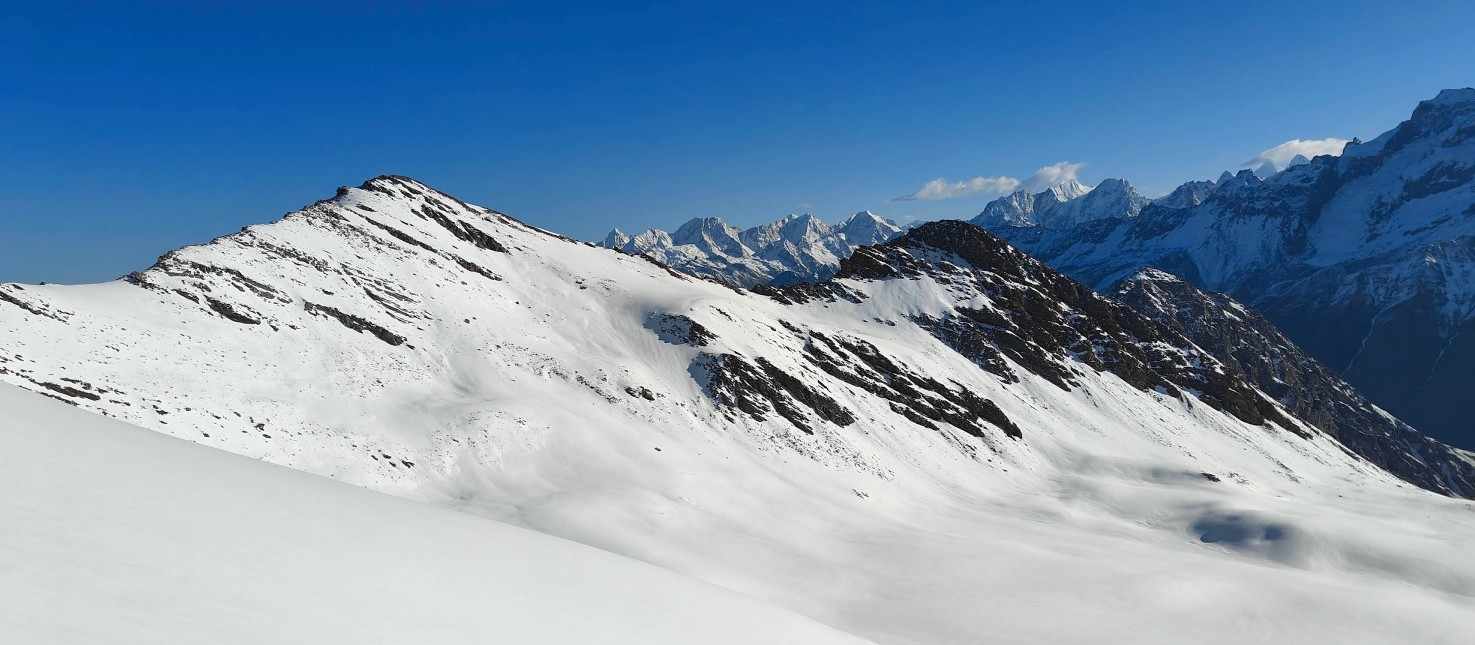
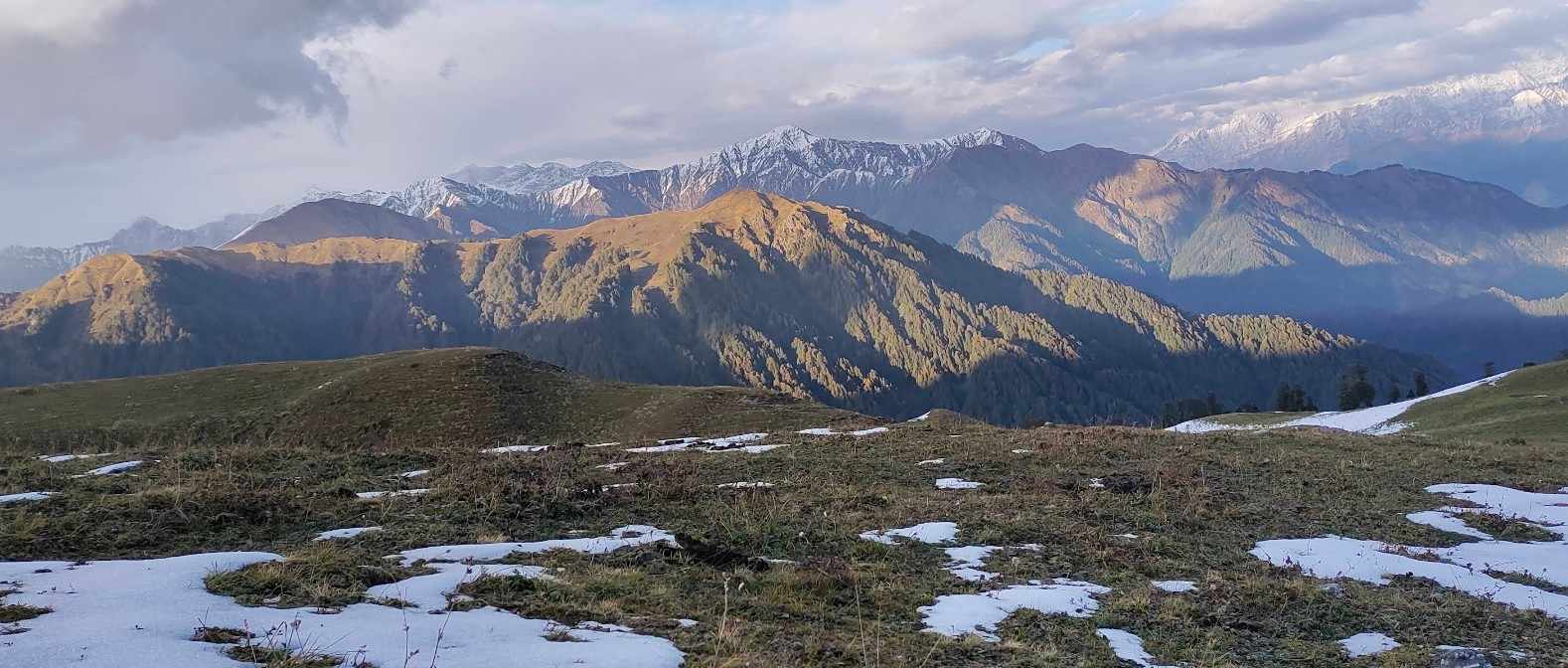
On clear days, these snow-covered peaks glow in golden light. That glow changes dramatically between sunrise and sunset. And that difference matters more than most people think.
Sunrise Trek to Kunjapuri
What Happens During Sunrise?
Before dawn, the sky slowly shifts from deep blue to orange. As the sun rises behind the Himalayan range, the snow peaks reflect soft golden light. This effect is often called “alpenglow.”
Because the mountains face east and northeast from Kunjapuri, sunrise light hits the peaks directly. This creates sharper contrast and more dramatic visuals compared to evening light.
The entire valley below Rishikesh looks peaceful. You see morning mist floating over forests and villages. Birds start calling. The air feels crisp and cool.
In simple words, sunrise feels fresh, spiritual, and powerful.
Pros of the Kunjapuri Sunrise Trek
1. Clearer Mountain Views
Morning weather in the Himalayas stays more stable. According to general meteorological patterns in hill regions, clouds tend to build up later in the day due to rising temperatures. That means you usually get better visibility at sunrise.
2. Fewer Weather Surprises
Wind speeds remain lower early in the morning. The trek feels calmer and more comfortable, especially in summer.
3. Strong Spiritual Vibe
Since Kunjapuri is a temple, sunrise aligns naturally with traditional morning prayers. Many visitors feel the spiritual atmosphere more deeply at dawn.
4. Ideal for Photography
Golden light during sunrise looks softer and cleaner. Landscape photographers prefer morning light because it creates better depth and shadow definition.
Cons of the Sunrise Trek
Let us be honest. Waking up at 3 or 4 AM is not easy.
You need discipline. You need proper planning. And in winter, temperatures can drop significantly in the early morning.
If you stay in Rishikesh, you must leave by 4 AM to reach before sunrise. That means early transport arrangements or a pre-booked cab.
So yes, sunrise gives magic. But it demands effort.
Sunset Trek to Kunjapuri
Now let us talk about sunset.
Many travellers choose sunset because they want a relaxed schedule. You can wake up comfortably, explore Rishikesh during the day, and head to Kunjapuri in the afternoon.
Sounds convenient, right? It is. But let us analyze it properly.
What Happens During Sunset?
During sunset, the sun sets behind the western hills. The light spreads across the valley rather than directly hitting the snow peaks. This creates a warm orange sky but softer mountain reflections.
The Himalayan peaks still look beautiful, but they may not glow as intensely as they do during sunrise. Visibility also depends on cloud buildup throughout the day.
However, sunsets offer dramatic sky colors. If clouds form, they reflect red, pink, and purple shades. That can look stunning in photos.
Pros of the Sunset Trek
1. Relaxed Timing
You do not need to wake up before dawn. You can plan the trek comfortably in the afternoon.
2. Warmer Conditions
Evening temperatures feel warmer than early morning, especially in winter months.
3. Dramatic Sky Colors
If the sky remains partially cloudy, sunset produces vibrant color gradients. This adds mood and drama to photographs.
4. Easy Combination with Rishikesh Activities
You can attend yoga sessions, river rafting, or visit Triveni Ghat in the morning and then head for sunset.
Cons of the Sunset Trek
1. Higher Chances of Cloud Cover
As mentioned earlier, afternoon heating increases the possibility of haze or clouds. That can block clear Himalayan views.
2. Larger Crowds
Many tourists prefer sunset because it feels convenient. That means more people at the viewpoint.
3. Return in Darkness
After sunset, you must descend in low light conditions. While the road route remains safe, trekking sections require caution.
What Do Locals and Guides Suggest?
Most local drivers and trekking guides in Rishikesh recommend sunrise. They often mention better peak visibility in the morning.
This recommendation aligns with known Himalayan weather patterns. Morning skies tend to remain clearer before daytime convection builds clouds.
However, if you travel during winter when skies stay clear all day, sunset can also offer excellent visibility.
So the “best” option depends on season and your personal preference.
Best Time of Year for Each Option
October to March
Skies remain clearer during these months. Both sunrise and sunset work well. Sunrise feels colder but gives excellent snow peak views.
April to June
Summer heat increases haze during the afternoon. Sunrise offers better visibility during these months.
Monsoon Season
Heavy cloud cover often blocks mountain views. Sunrise sometimes provides short clear windows before clouds return.
Safety and Accessibility
The road to Kunjapuri remains motorable from Rishikesh via Hindolakhal. The final steps to the temple include a staircase climb.
For sunrise:
Arrange transport in advance.
Carry a flashlight.
Wear warm layers.
For sunset:
Start descent before it becomes completely dark.
Avoid isolated trekking routes without a guide.
Basic preparation ensures both experiences remain safe and enjoyable.
Who Should Choose Sunrise?
Choose sunrise if:
You love photography.
You want the clearest Himalayan views.
You enjoy peaceful spiritual settings.
You do not mind waking up early.
Sunrise suits serious travellers who value natural light and mountain clarity.
Who Should Choose Sunset?
Choose sunset if:
You prefer relaxed timing.
You travel with family or elderly members.
You want a colourful sky experience.
You plan other activities in Rishikesh during the day.
Sunset suits casual travellers who want comfort without early alarms.
Final Verdict: Which Is Better?
Let us answer the main question honestly.
If you ask purely from a mountain visibility and photography perspective, sunrise usually delivers a stronger experience. The Himalayan peaks glow more dramatically in morning light. Weather patterns support clearer views.
But if you value convenience and do not want a 4 AM alarm, sunset offers a relaxed and still beautiful alternative.
So which is better?
Sunrise wins for clarity and spiritual atmosphere.
Sunset wins for comfort and schedule flexibility.
The good news? Kunjapuri does not disappoint either way.
If possible, try both on different days. Your camera and your soul will thank you.
Quick Planning Tips
Check weather forecast one day before visiting.
Reach at least 30 minutes before sunrise or sunset.
Carry water and light snacks.
Respect temple customs.
Avoid littering.
Conclusion
The debate around sunrise vs sunset trek to Kunjapuri depends on your priorities. Both experiences highlight the beauty of the Garhwal Himalayas in different ways.
Sunrise offers sharper peaks, cooler air, and a strong spiritual connection. Sunset provides vibrant skies, warmer weather, and flexible timing.
If your goal focuses on crystal-clear Himalayan views, set that early alarm. If comfort matters more, enjoy a peaceful evening climb.
Either way, Kunjapuri rewards every effort with panoramic mountain beauty that reminds you why people fall in love with Uttarakhand in the first place.
And yes, sometimes the best decision is simple: wake up early at least once. The Himalayas deserve that much effort.

Write a comment ...