
Planning a quick escape from city chaos often leads to one question: where can you find adventure without taking too many leaves? The answer lies in the majestic Himalayas. With a wide range of short and scenic trails, the region offers some of the best weekend treks for both beginners and thrill seekers.
This guide covers carefully selected treks that are practical, safe, and worth your time. No exaggerated claims. Just real experiences, logical insights, and reliable information to help you choose wisely.
Why Weekend Treks in the Himalayas Make Sense
Weekend treks are not just about saving time. They offer a perfect balance between effort and reward.
You don’t need extreme fitness or long itineraries. Most beginner-friendly Himalayan treks stay below 12,000 feet and follow well-marked trails. This reduces risks while still delivering stunning views.
Also, accessibility plays a big role. Many trails start close to major towns like Dehradun or Manali, making travel easier and more budget-friendly.
What Makes a Trek Beginner-Friendly
Before jumping into recommendations, let’s set the basics right.
A beginner-friendly trek usually includes:
Gradual altitude gain
Well-defined trails
Short trekking distances (4-6 km per day)
Basic accommodation options
Low technical difficulty
If a trek ticks these boxes, you can enjoy it without turning your weekend into a survival test.
Top Weekend Treks in the Himalayas
Here are some of the most reliable and loved weekend treks. Each one offers a unique experience without overwhelming first-time trekkers.
1. Kedarkantha Trek
The Kedarkantha Trek stands out as one of the most beginner-friendly winter treks in India.
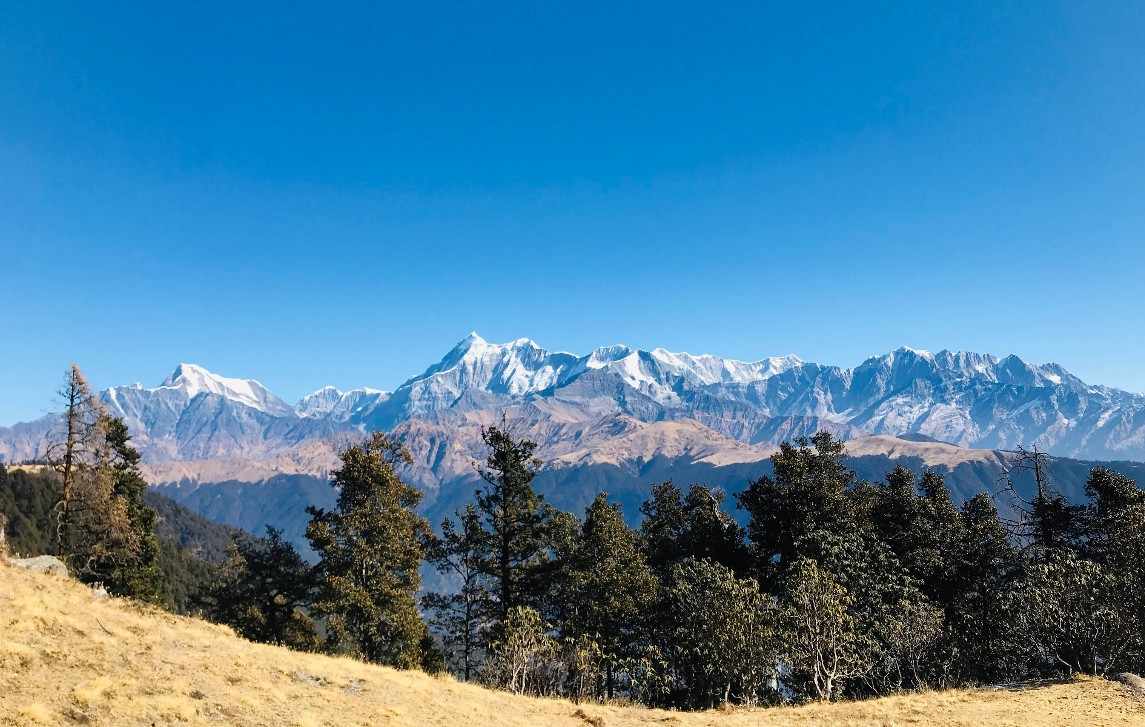
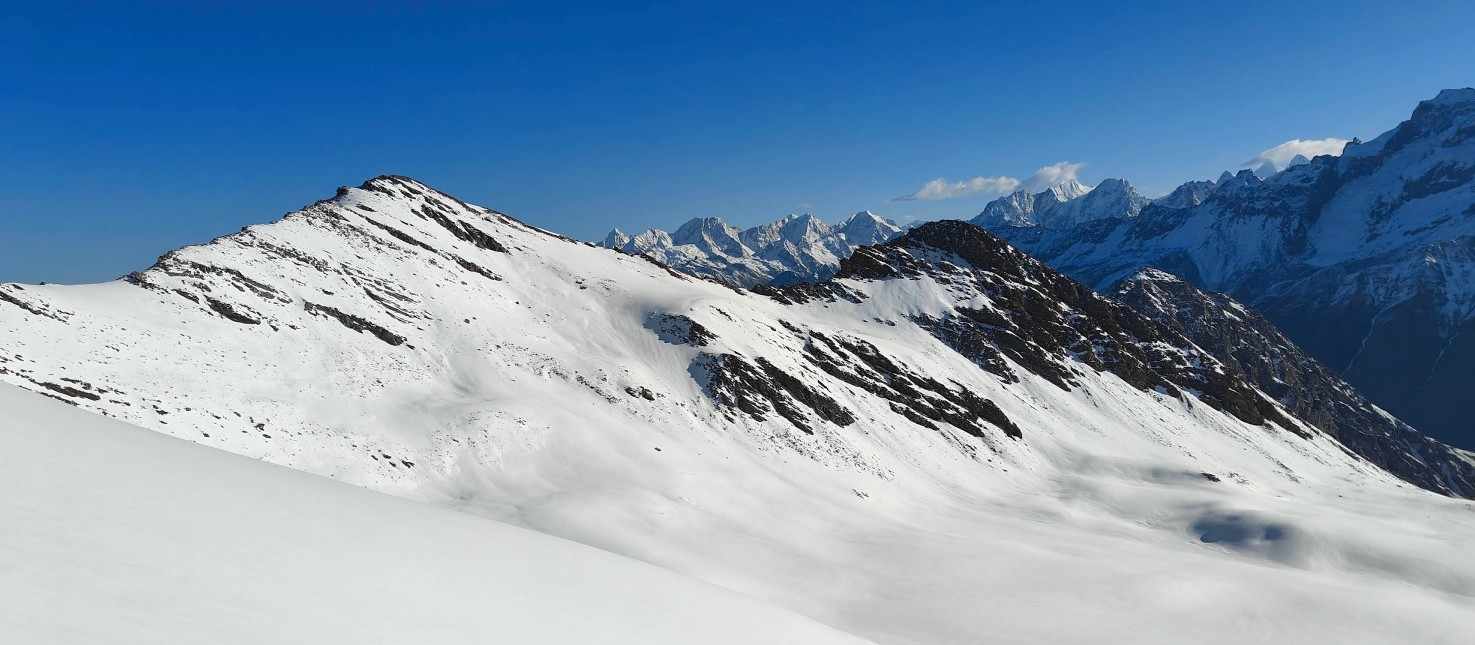
The trail starts from Sankri and moves through dense pine forests, open meadows, and snowy landscapes during winter. The summit sits at around 12,500 feet and offers wide views of Himalayan peaks.
This trek works well for beginners because the climb remains gradual. Campsites like Juda Ka Talab give you enough time to acclimatize.
Best time: December to April for snow, March to June for clear views
Duration: 4-6 days
Why it works: Balanced difficulty with high scenic reward
2. Triund Trek
If you want a quick Himalayan experience, the Triund Trek is hard to beat.
Located near McLeod Ganj, this trek offers stunning views of the Dhauladhar range without demanding too much effort.
The trail stretches around 9 km and feels more like a long hike than a difficult trek. You can even complete it in one day, though an overnight stay enhances the experience.
Best time: March to June and September to November
Duration: 1-2 days
Why it works: Short, accessible, and perfect for first-timers
3. Nag Tibba Trek
The Nag Tibba weekend Trek is ideal for those coming from Delhi or nearby regions.
This trek reaches about 9,900 feet and offers views of peaks like Bandarpoonch and Swargarohini. The trail remains simple, with gradual ascents through forests and ridges.
It’s one of the safest choices for beginners because altitude risks stay low.
Best time: October to June
Duration: 2 days
Why it works: Quick getaway with minimal risk
4. Prashar Lake Trek
The Prashar Lake Trek combines culture with nature.
The trek leads to a beautiful high-altitude lake with a floating island and a traditional temple dedicated to sage Prashar. The route stays short and manageable.
Snow lovers often choose this trek in winter, while others enjoy it during spring for clear skies.
Best time: December to March for snow, April to June for greenery
Duration: 2–3 days
Why it works: Unique lake views with low effort
5. Beas Kund Trek
The Beas Kund Trek offers a great introduction to alpine trekking.
This trail takes you to the source of the Beas River, surrounded by peaks like Hanuman Tibba. The terrain changes from forests to open glacial valleys, giving a complete Himalayan experience.
The trek remains short but scenic, making it ideal for beginners who want variety.
Best time: May to October
Duration: 3 days
Why it works: Diverse landscapes in a short time
6. Dayara Bugyal Trek
The Dayara Bugyal Trek is famous for its vast alpine meadows.
“Bugyal” means meadow, and Dayara lives up to the name. The trail feels gentle and open, which reduces fatigue and adds comfort.
In winter, the meadows turn into snowfields. In summer, they bloom with greenery.
Best time: December to March for snow, May to June for greenery
Duration: 3-4 days
Why it works: Wide open spaces and easy trails
Best Time to Plan Your Weekend Trek
Timing matters more than people think. A great trek in the wrong season can feel disappointing.
Here’s a simple breakdown:
Winter (Dec–Feb): Snow treks like Kedarkantha and Prashar Lake
Spring (Mar–Apr): Clear skies and blooming forests
Summer (May–June): Ideal for high-altitude beginner treks
Autumn (Sep–Nov): Best visibility and stable weather
Avoid the monsoon season (July–August) due to landslides and slippery trails.
Essential Packing Tips (No Overpacking, Please)
Packing smart can make or break your trek.
Here’s what you actually need:
Good trekking shoes with grip
Layered clothing (avoid heavy single jackets)
Reusable water bottle
Basic first aid kit
Energy snacks like dry fruits
Backpack with rain cover
Avoid carrying unnecessary items. Your shoulders will thank you halfway through the climb.
Common Mistakes Beginners Should Avoid
Even easy treks can feel hard if you ignore basics.
Starting too fast: Pace yourself from the beginning
Ignoring hydration: Dehydration increases fatigue quickly
Wearing new shoes: Always break them in before the trek
Skipping acclimatization: Especially above 10,000 feet
Overconfidence: Mountains don’t reward ego
A calm and steady approach always works better than rushing.
Safety Tips You Should Never Ignore
Safety is not optional in the Himalayas.
Check weather updates before starting
Follow marked trails
Listen to your trek leader or guide
Avoid trekking alone in unfamiliar routes
Keep emergency contacts handy
Also, respect altitude. If you feel dizzy or uneasy, inform your group immediately.
How to Choose the Right Trek for You
Not every trek suits everyone. Choose based on your comfort level.
Ask yourself:
How fit am I currently?
Do I prefer snow or greenery?
How much time can I spare?
Do I want solitude or social trekking groups?
If you’re unsure, start with shorter treks like Triund or Nag Tibba before moving to slightly higher ones like Kedarkantha.
Final Thoughts
Weekend treks in the Himalayas offer more than just adventure. They give you clarity, fresh air, and a break from constant screen time.
You don’t need extreme skills or expensive gear to begin. Start small, stay consistent, and respect the mountains. Over time, your confidence will grow, and so will your trekking list.
The best part? Each trail teaches you something new. Sometimes it’s about nature. Sometimes it’s about yourself.
And occasionally, it’s just about realizing that your city shoes were never meant for mountain trails.

Write a comment ...