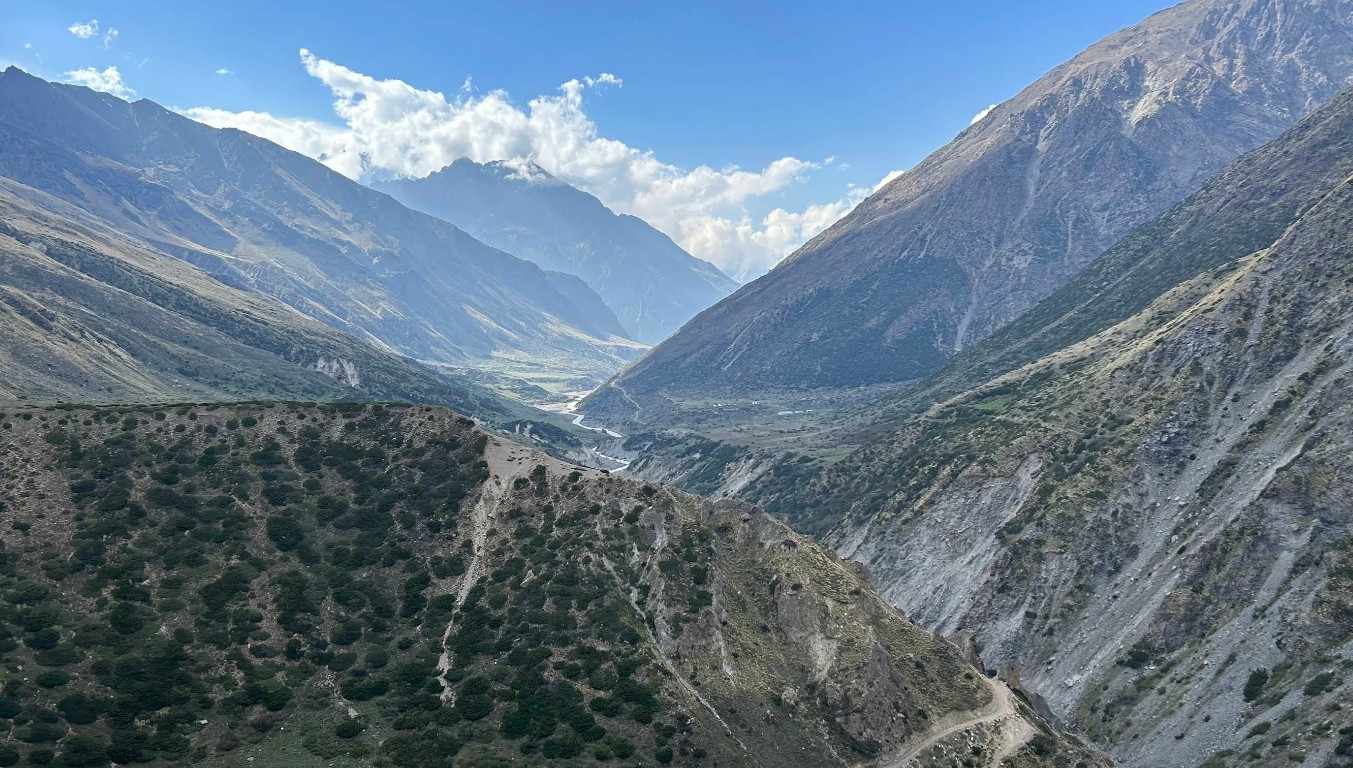
When people think about Himalayan treks in India, a few names come up instantly. Kedarkantha, Dayara Bugyal, Hampta Pass, and Nag Tibba dominate blogs, reels, and travel forums. In comparison, Nanda Devi Base Camp Trek stays quietly in the background, almost like it prefers solitude over the spotlight.
This is not because the trek lacks beauty or challenge. In fact, it stands among the most rewarding high altitude journeys in the Indian Himalayas. The real reason lies in geography, regulations, terrain, and intent. Nanda Devi Base Camp was never meant to be a casual weekend trek, and that is exactly why it still feels untouched.
Let us break this down logically and factually.
A Protected Region, Not a Commercial Playground
One of the strongest reasons behind the untouched nature of the Nanda Devi Base Camp trek is its location inside the Nanda Devi Biosphere Reserve.
The reserve holds UNESCO World Heritage Site status, which automatically places strict controls on tourism activity. Authorities limit the number of trekkers, support staff, and camping zones every season. Unlike popular trekking corridors, this region does not allow unrestricted footfall.
The forest department monitors movement closely, and trekking organizations must follow fixed protocols. These rules protect fragile alpine ecosystems, rare flora, and endangered wildlife.
Because of this, you will not see:
Overcrowded campsites
Plastic waste on trails
Temporary shops or tea stalls
Loud trekking groups
This controlled access keeps the landscape raw and undisturbed.
Longer Duration Filters Casual Trekkers
Most popular Himalayan treks last between four to six days. Nanda Devi Base Camp demands around 11 to 12 days, depending on route and weather conditions.
This longer duration changes everything.
A trek of this length requires better fitness, time commitment, and mental readiness. Casual trekkers who look for quick summit photos often skip it. Weekend trekkers remove it from their list immediately.
Because fewer people can invest this time, the crowd stays naturally limited. This factor alone filters out mass tourism without any artificial restrictions.

No Summit Obsession, Only Mountain Immersion
Many Himalayan treks market themselves around a summit moment. A single sunrise point becomes the main attraction. Nanda Devi Base Camp works differently.
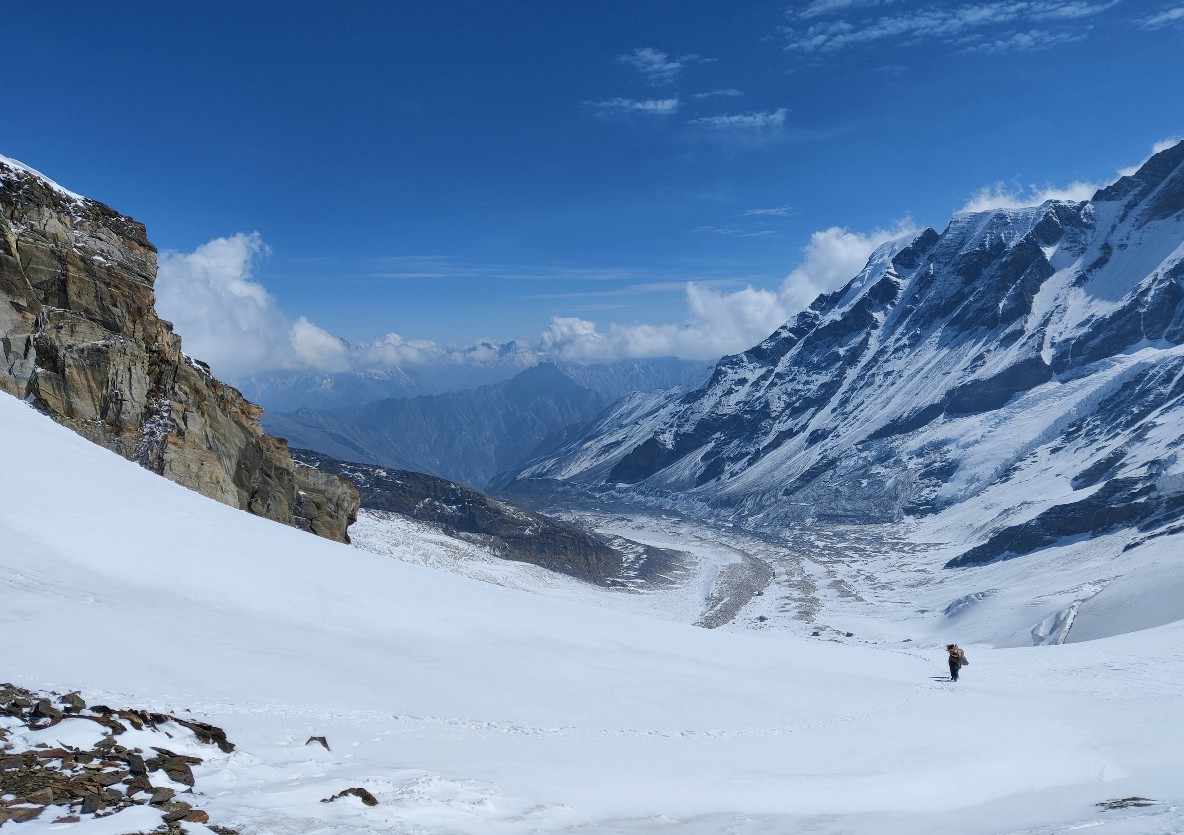
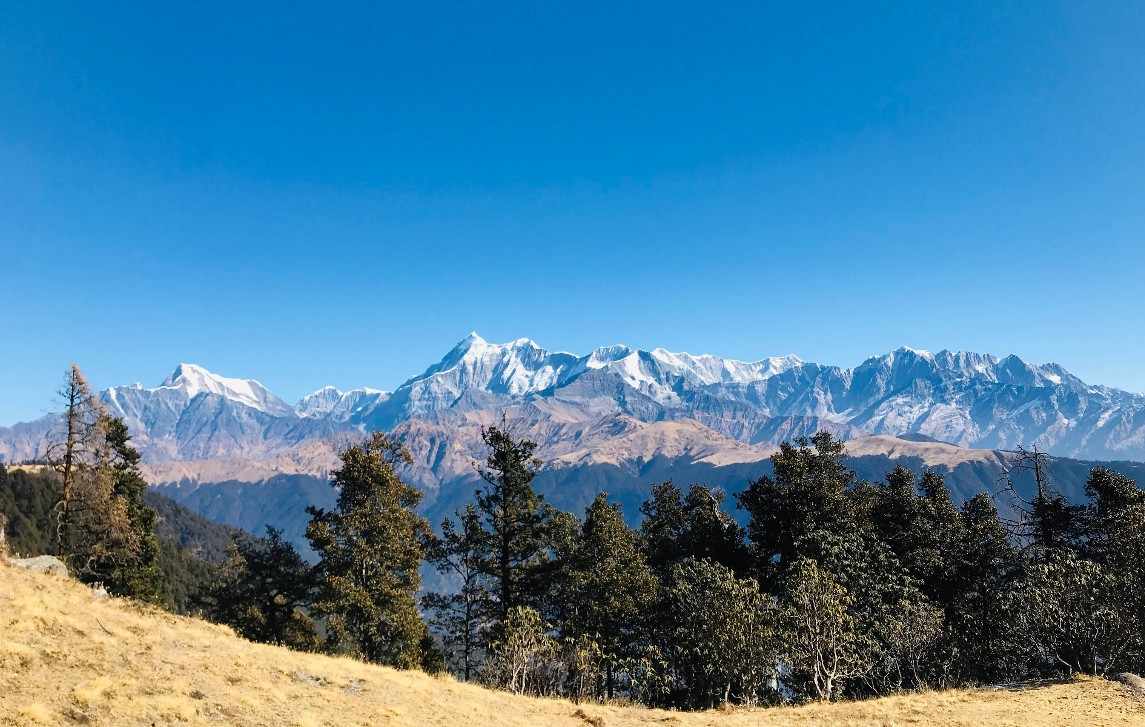
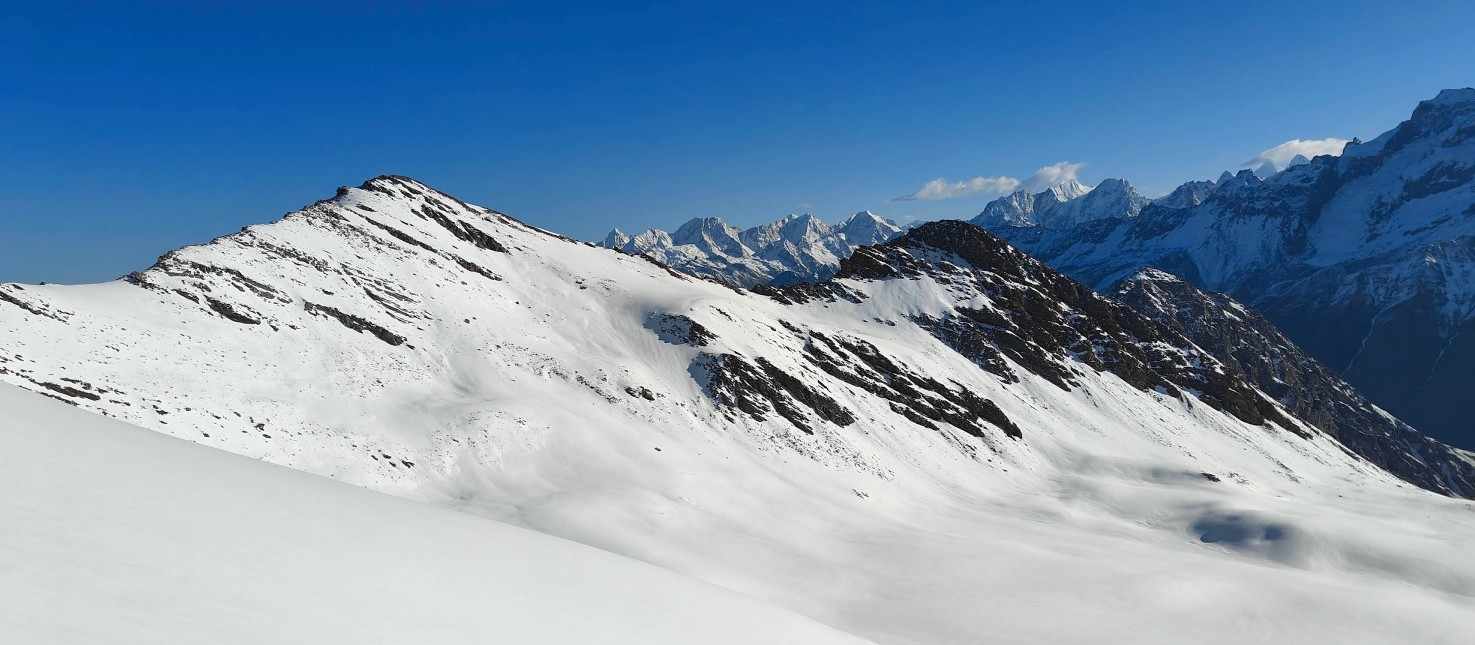
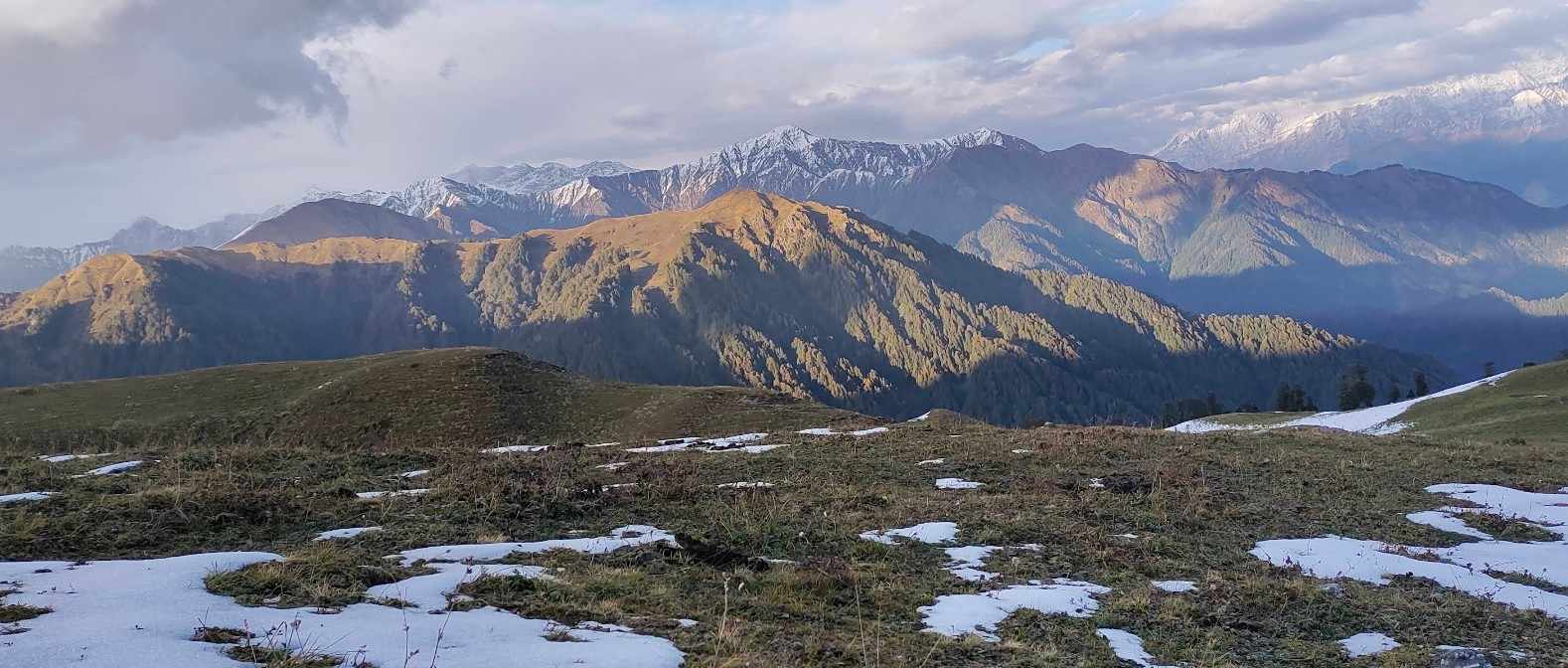
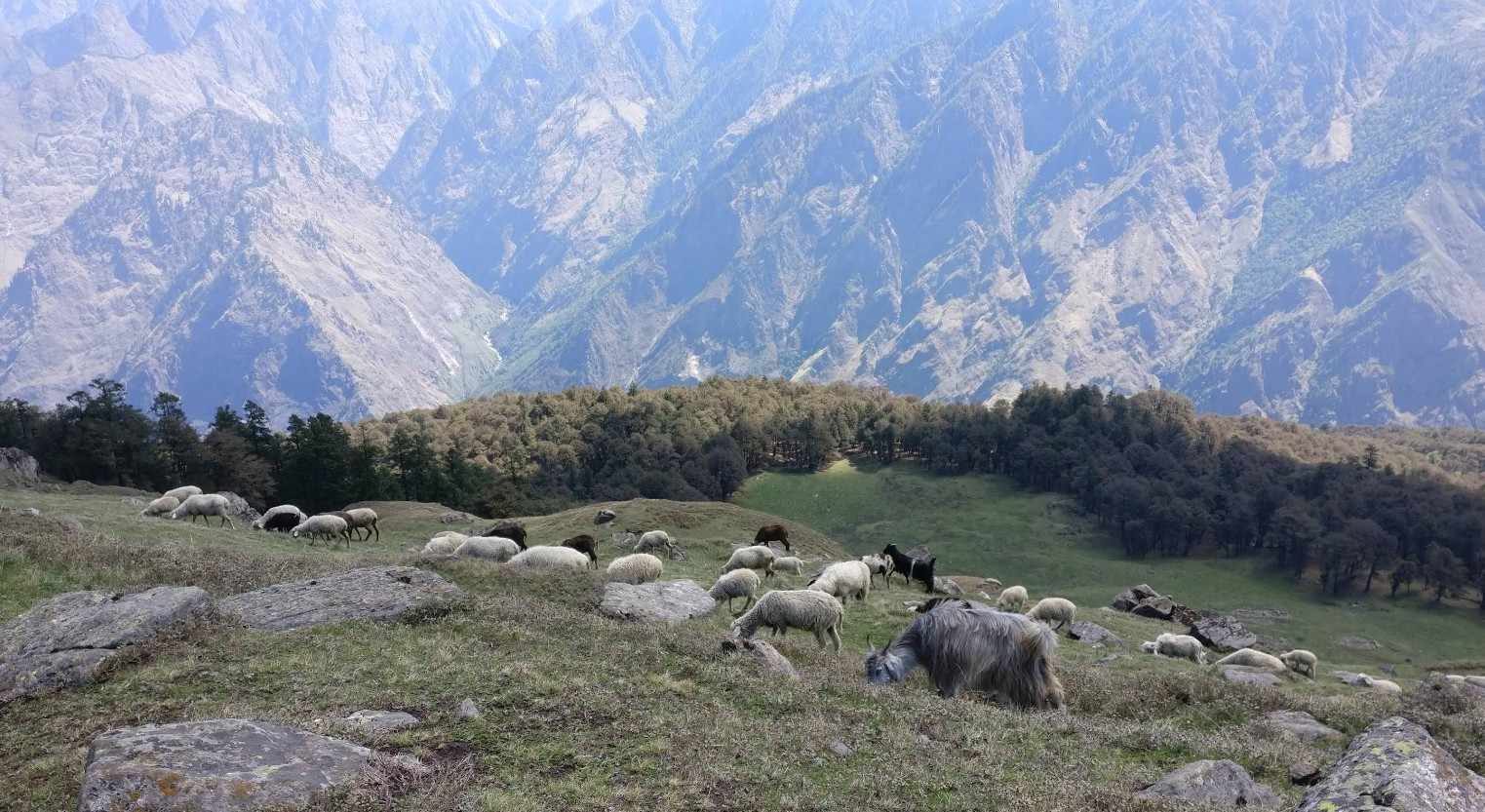
The trek does not focus on a dramatic summit climb. Instead, it offers deep mountain immersion. You walk for days through forests, river valleys, alpine meadows, and ancient glacial paths before the mountains slowly reveal themselves.
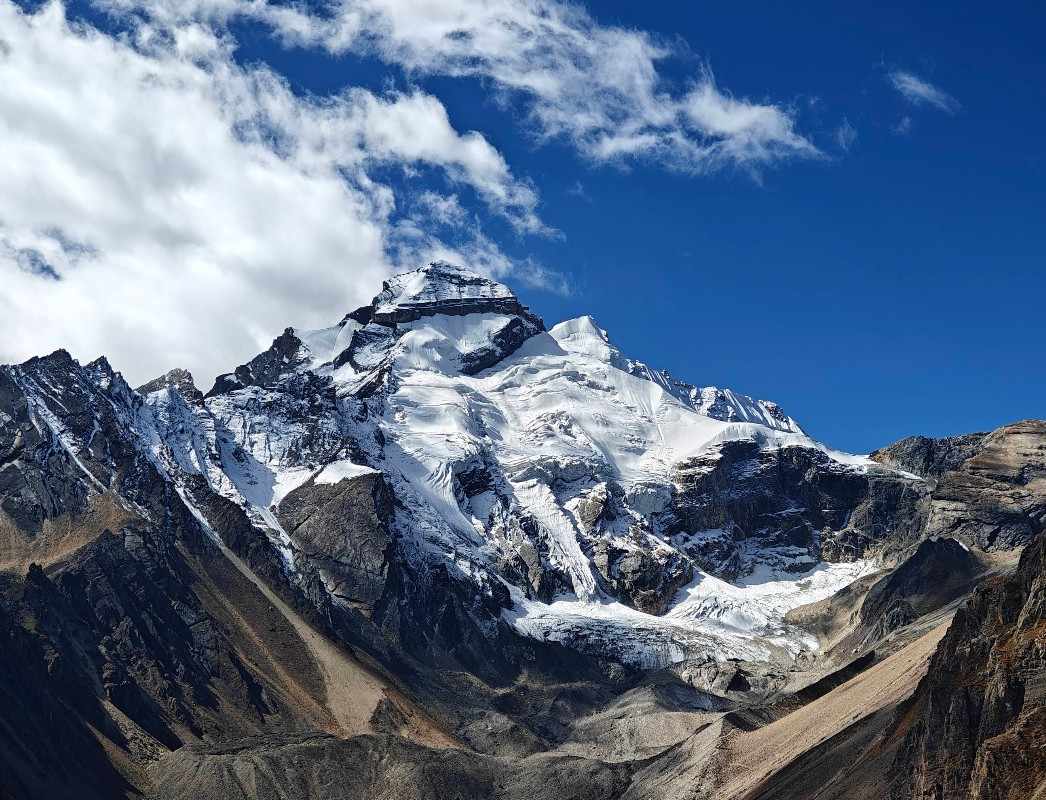
Mount Nanda Devi does not appear suddenly. It emerges gradually, with silence and scale that forces you to stop and observe.
This kind of experience attracts trekkers who seek depth, not instant gratification. Influencer-driven tourism does not thrive in such settings, which helps preserve the trail’s authenticity.
Challenging Terrain Discourages Overcrowding
The terrain on the Nanda Devi Base Camp trek plays a major role in keeping it untouched.
You deal with:
Long walking days
Continuous altitude gain
Rocky river crossings
Narrow mountain trails
Changing weather conditions
Unlike beginner-friendly treks, this route tests endurance consistently. First-time trekkers can attempt it, but only with proper preparation and guidance.
Because of this difficulty level, most trekking agencies do not push it aggressively as a mass product. They recommend it only to trekkers who show readiness. This approach prevents overcrowding and maintains trail discipline.
Limited Villages and Minimal Infrastructure
Popular trekking routes thrive on infrastructure. Cafes, homestays, roadside stalls, and network connectivity often follow crowds. Nanda Devi Base Camp has very little of that.
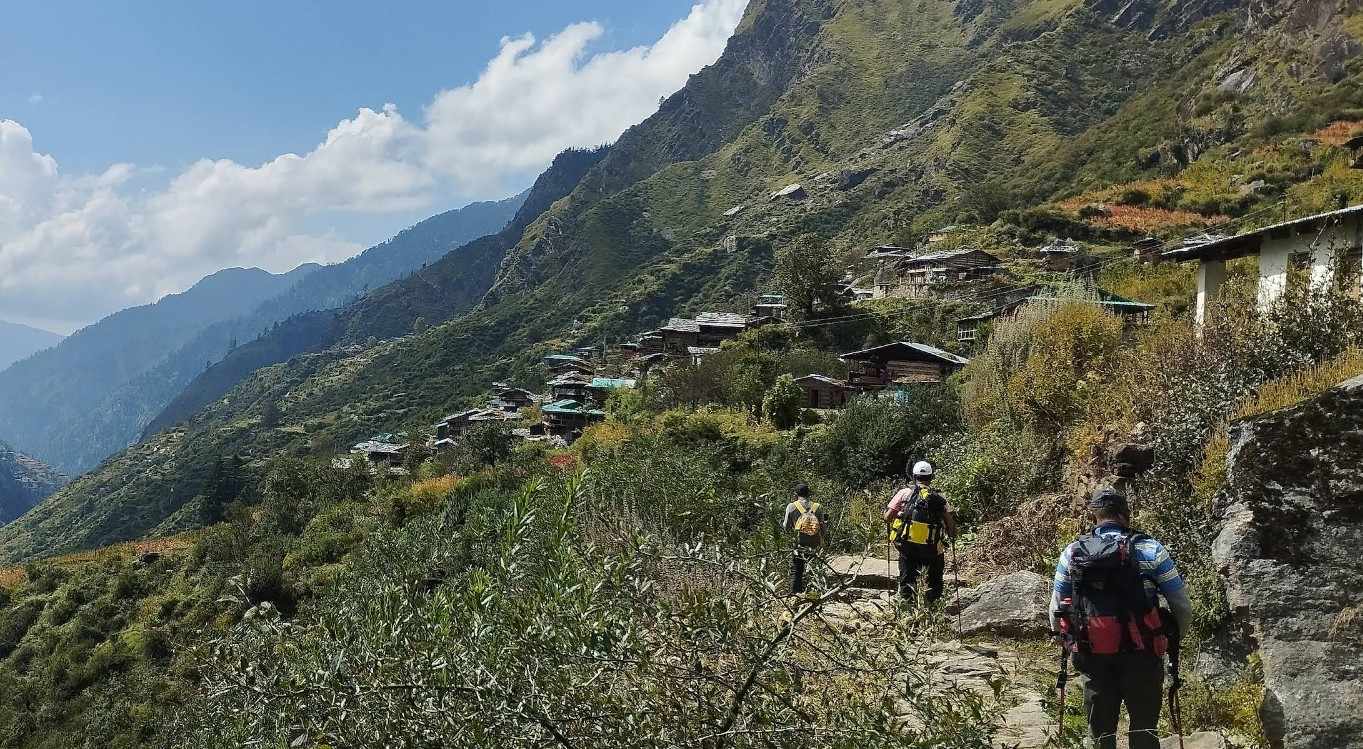
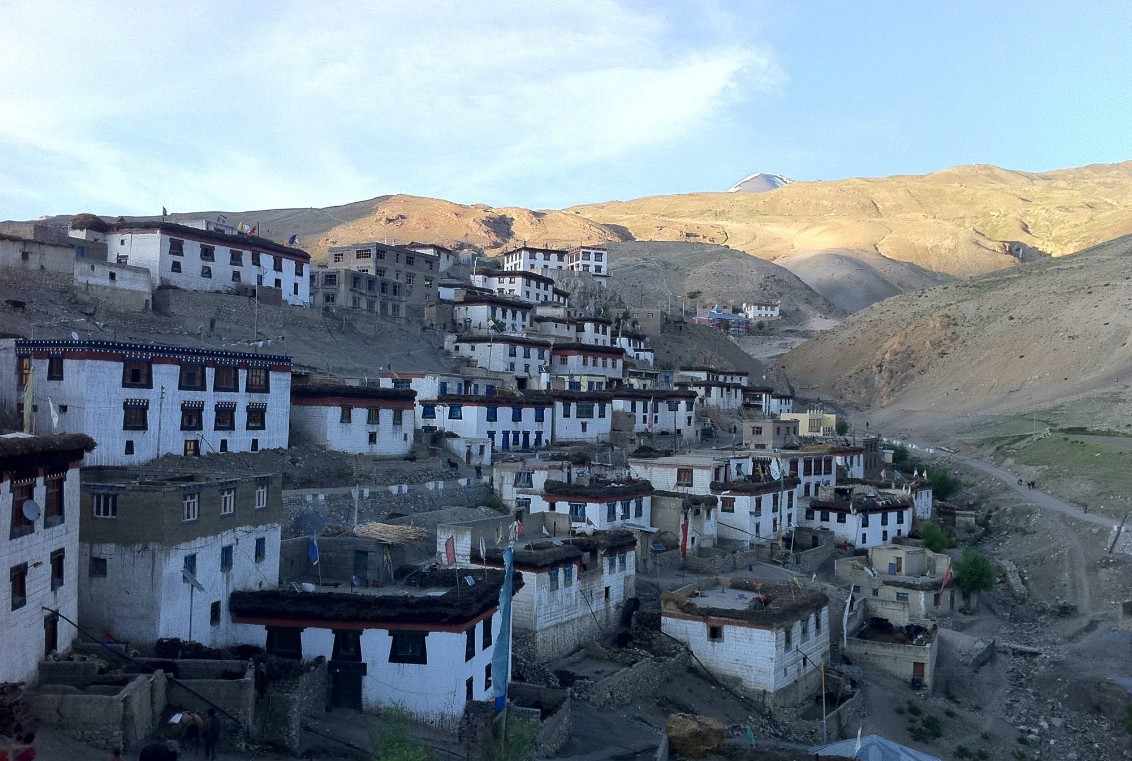
Villages along the trail remain small, traditional, and self-sustained. Locals depend more on agriculture and seasonal work than tourism. You will not find souvenir markets or commercial campsites here.
This lack of infrastructure discourages rushed travel and encourages responsible trekking. It also ensures that cultural identity remains intact rather than reshaped for tourism demand.
Permit System Keeps Numbers in Check
Trekkers must obtain official permits to enter the Nanda Devi region. These permits come with daily limits and seasonal controls. Authorities issue them carefully to avoid ecological stress.
This system works effectively. It prevents last-minute crowd surges that often damage popular trails. Trekking groups remain small, organized, and manageable.
Because permits require planning, spontaneous tourism rarely happens here. That alone preserves the trail’s calm nature.
Remote Location Requires Real Effort
Reaching the base village for Nanda Devi Base Camp takes time. The approach involves long road journeys through Uttarakhand’s interior regions. Connectivity remains limited compared to tourist hubs.
This remoteness acts as a natural barrier. Travelers who look for convenience usually choose easier destinations. Those who continue beyond this point usually come with genuine interest in mountains.
Real effort filters real intent.
Focus on Conservation Over Promotion
Unlike many trekking regions, the Nanda Devi area never received aggressive tourism promotion. Authorities and conservationists deliberately avoided large-scale publicity.
Their goal stays clear. They want to preserve biodiversity, not chase footfall numbers. This mindset reflects in every regulation and trekking guideline issued for the region.
Because of this approach, Nanda Devi Base Camp remains a trek for those who search for it, not for those who stumble upon it through advertisements.
A Trek That Rewards Silence, Not Speed
The Nanda Devi Base Camp trek does not rush you. It slows you down. It forces you to observe terrain, weather, and your own limits. That experience does not suit everyone, and that is perfectly fine.
Because of its structure, rules, and philosophy, the trek attracts a specific kind of trekker. Someone patient, respectful, and deeply interested in the mountains.
That selective appeal keeps the trail peaceful.
Final Thoughts
Nanda Devi Base Camp remains untouched not by accident, but by design.
Strict environmental regulations, challenging terrain, longer duration, limited access, and conservation-first policies work together to protect this region. While other Himalayan treks adapt to mass tourism, Nanda Devi stays rooted in balance.
If you seek quiet trails, raw landscapes, and a meaningful Himalayan journey, this trek offers something rare. It gives you space, silence, and perspective.
And sometimes, that matters more than popularity.



Write a comment ...