
Planning the Gaumukh Tapovan Trek and confused between May and September? You’re not alone. This classic Himalayan trek, starting from Gangotri and leading to the source of the sacred Ganga River, offers completely different experiences in these two months.
Both months sit in ideal trekking windows, but they differ in weather, trail conditions, crowd levels, and overall vibe. Choosing the right one depends on what kind of trekker you are.
Let’s break it down with logic, facts, and a bit of real-world trekking wisdom.
Understanding the Trek Window
The Gaumukh Tapovan trail remains open mainly from May to June and again from September to October. Authorities close it during peak monsoon and heavy winter due to safety concerns.
May marks the start of the trekking season
September marks the post-monsoon clarity phase
Both months fall in safe periods, but the experience shifts dramatically.
Weather Conditions: Cold vs Crisp
May Weather on Gaumukh Tapovan Trek
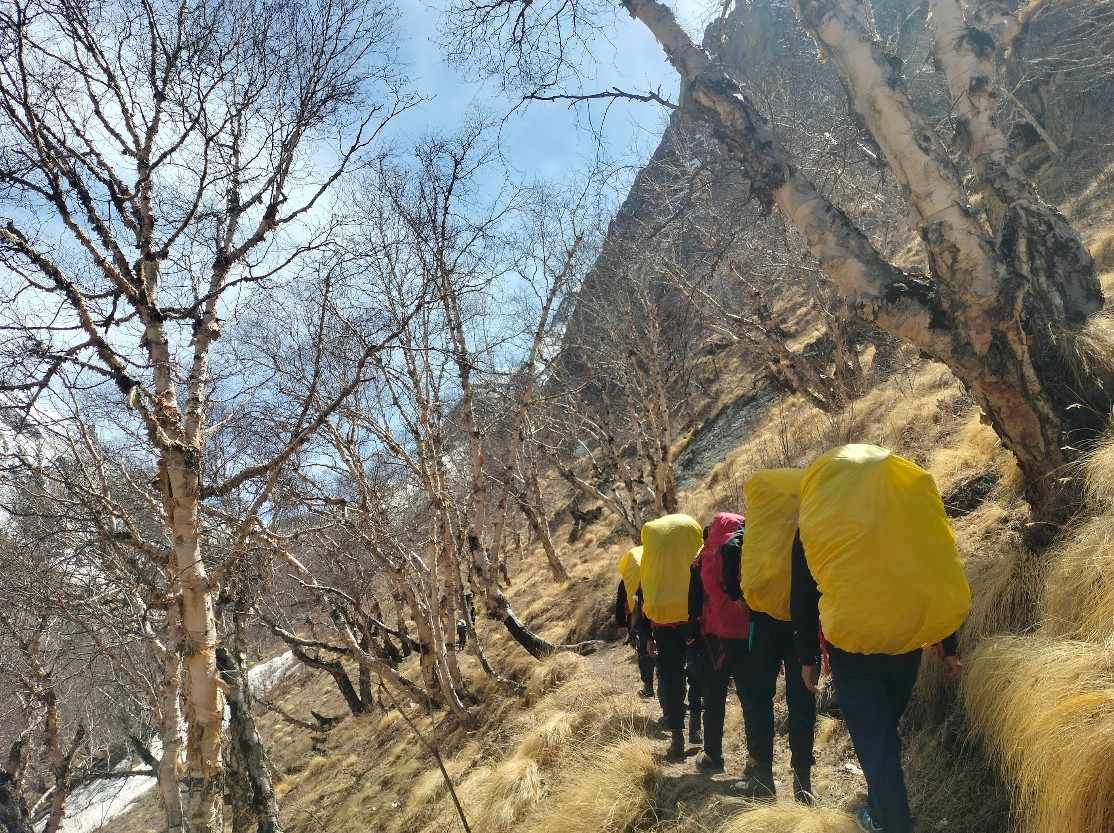
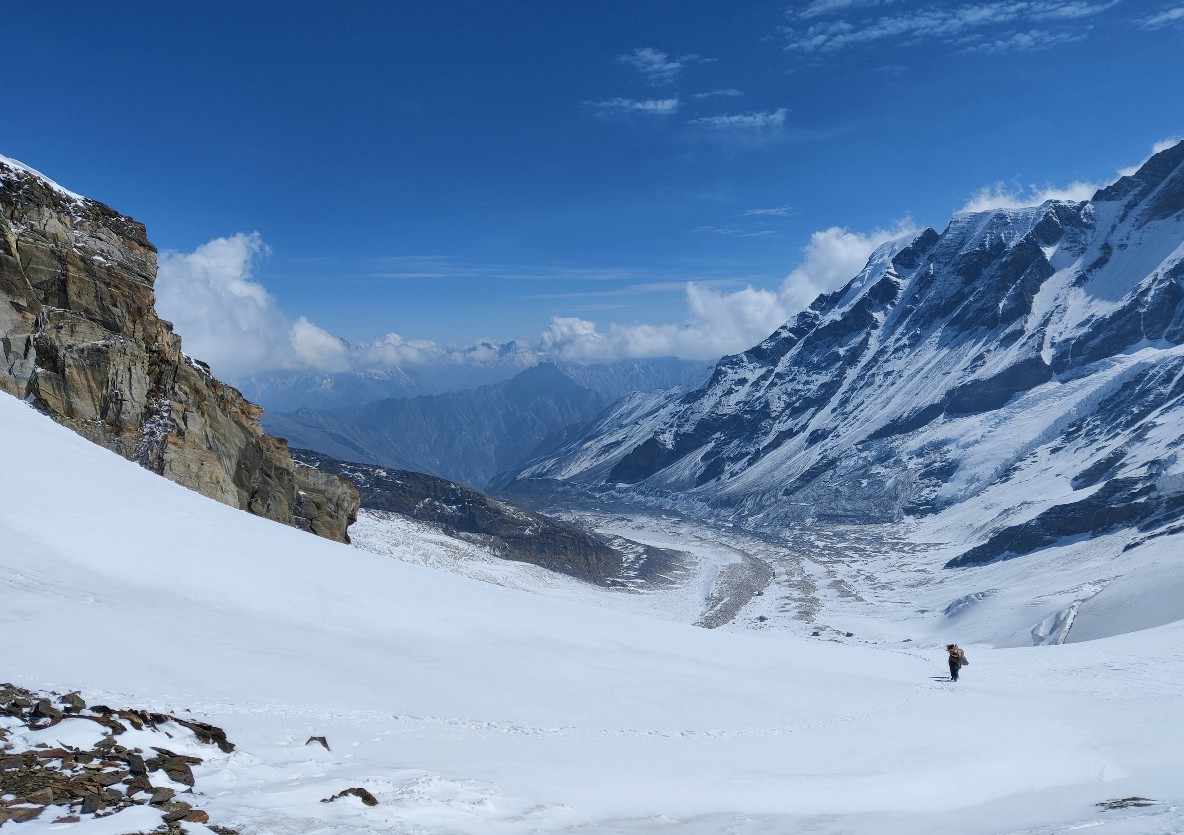
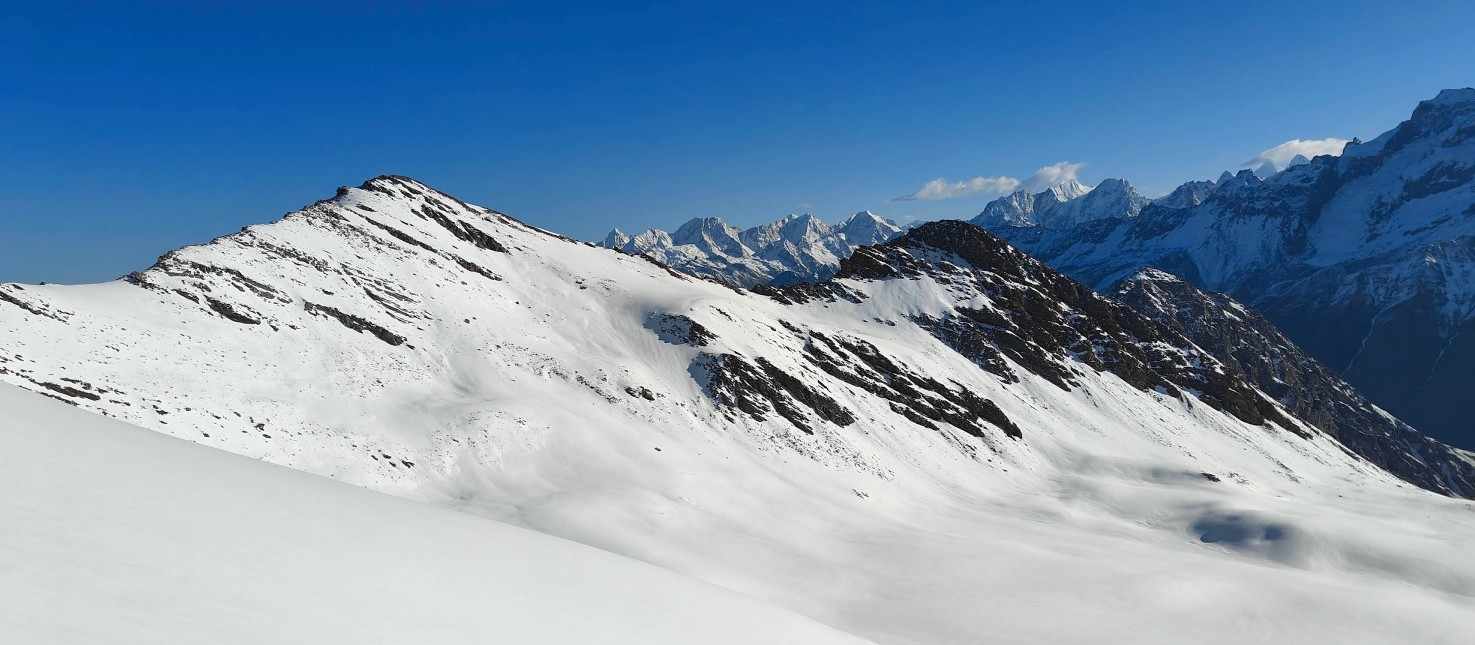
May brings the first stable weather after winter. Snow still dominates the upper sections.
Day temperature: 5°C to 12°C
Night temperature: -5°C to 0°C
Snow presence: High, especially near Tapovan
Expect cold winds, especially near Gaumukh Glacier. Campsites like Bhojwasa and Tapovan feel freezing at night.
The upside? Snow-covered landscapes look straight out of a postcard.
September Weather on Gaumukh Tapovan Trek
September arrives after the monsoon clears the dust and pollution.
Day temperature: 8°C to 15°C
Night temperature: -2°C to 5°C
Snow presence: Minimal (except patches)
You get more stable weather and fewer extreme cold conditions. The skies turn deep blue, offering excellent visibility.
Verdict on Weather
If you enjoy snow and don’t mind cold nights, May works well.
If you prefer moderate temperatures and stable conditions, September wins.
Trail Conditions: Snow vs Stability
Trekking in May
In May, snow covers many sections beyond Bhojwasa.
Trails can feel slippery
River crossings become tricky due to melting snow
You may need microspikes or gaiters
The climb to Tapovan via steep sections feels more technical.

Trekking in September
By September, the trail stabilizes after monsoon.
Snow melts, revealing clear paths
Fewer slippery sections
Easier navigation
However, landslides during monsoon may affect some patches between Gangotri and Bhojwasa.
Verdict on Trail
May = Adventure + snow challenge
September = Safer + easier trail conditions
Scenic Beauty: Snow Magic vs Green Drama
May Landscapes
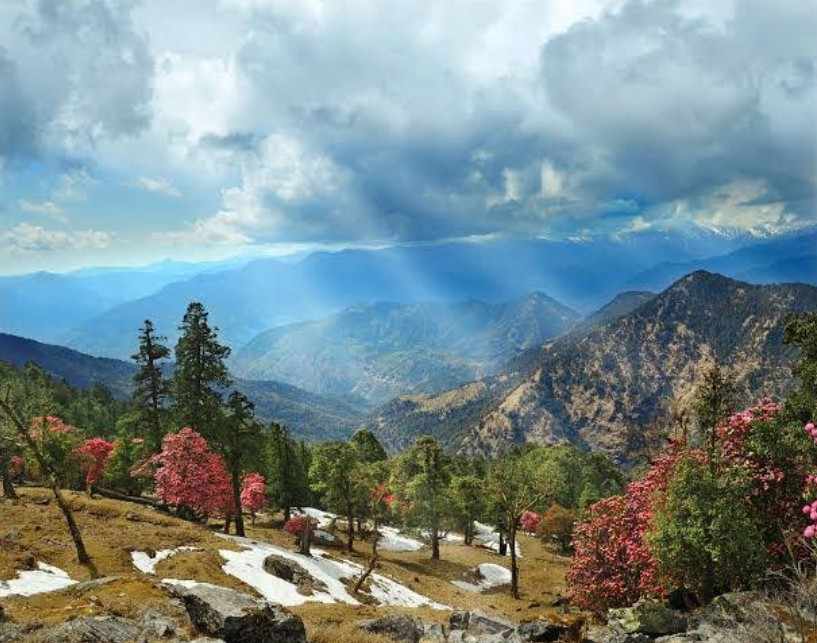
May gives you raw Himalayan beauty.
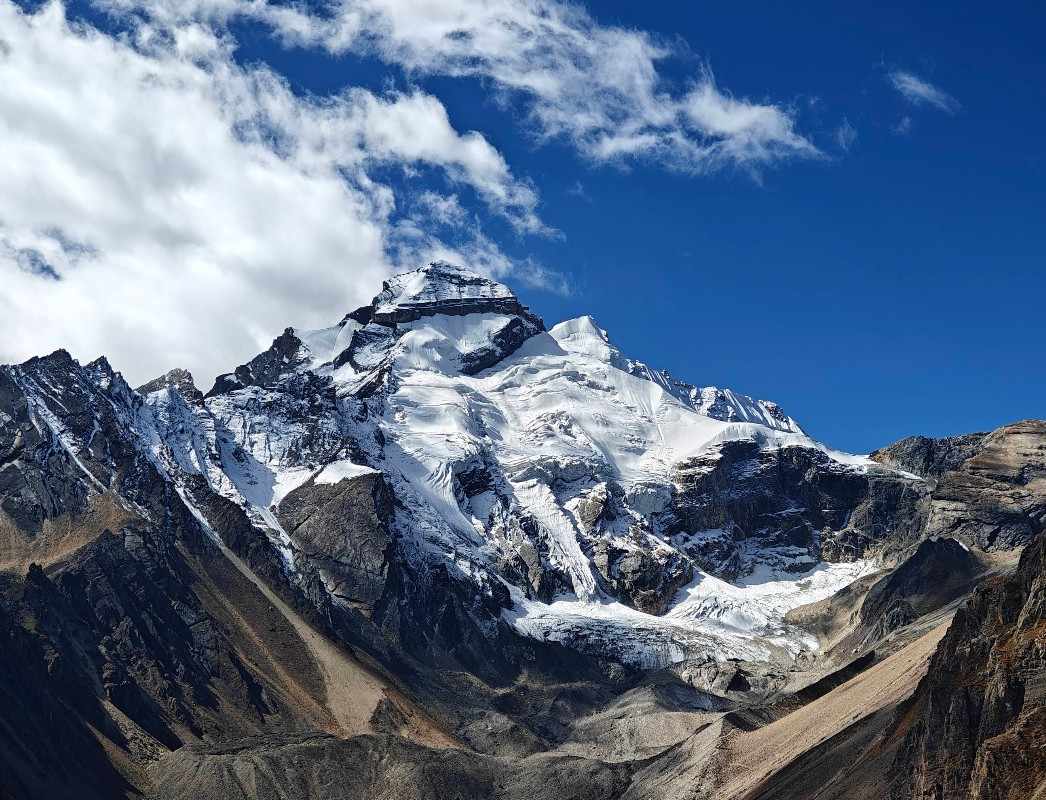
Snow-covered peaks like Mount Shivling look dramatic
Frozen terrain adds a surreal feel
Glacier views feel more intense
It’s perfect if you want that “white Himalayan dream.”
September Landscapes
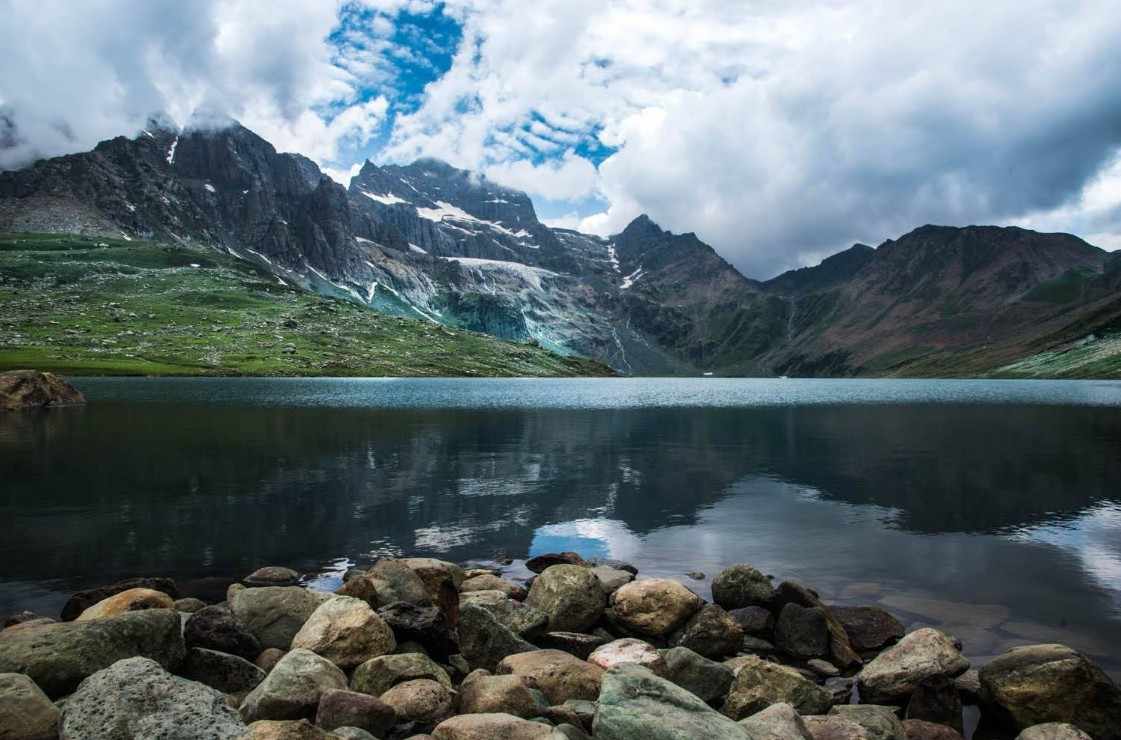
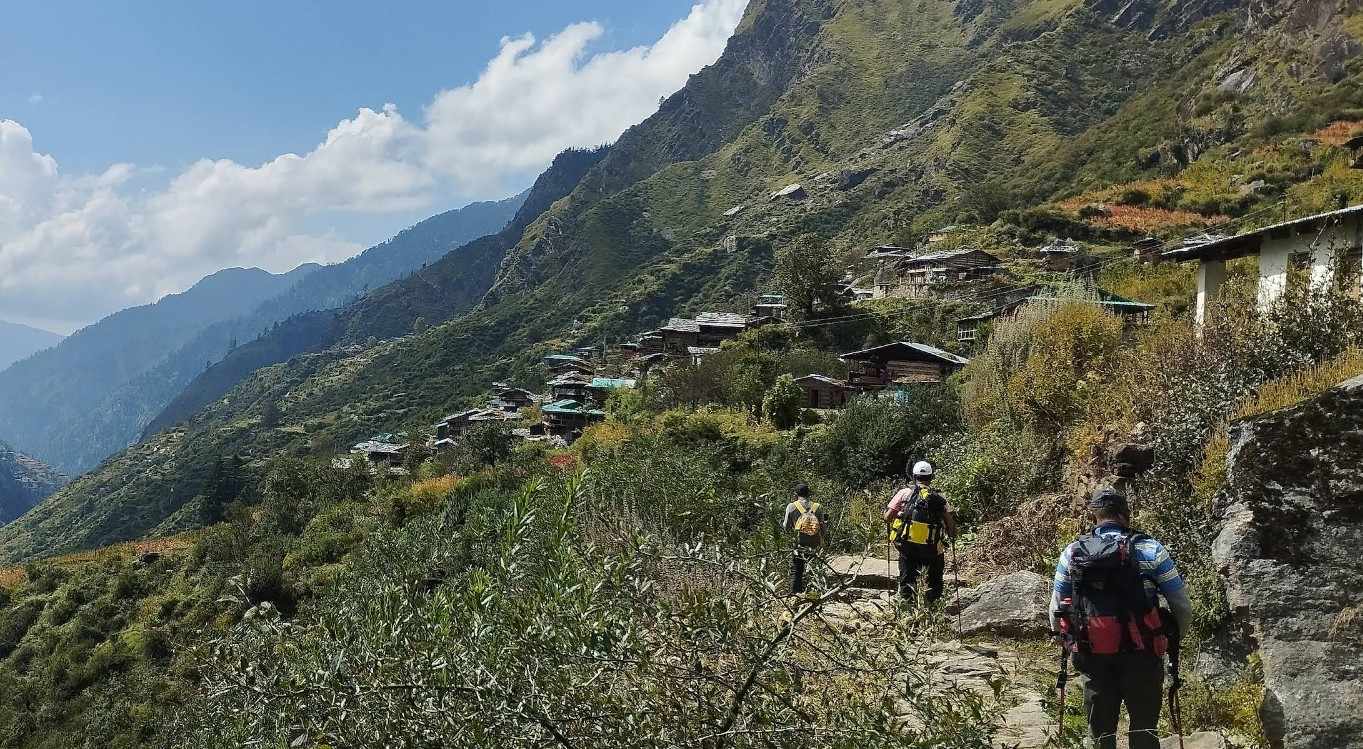
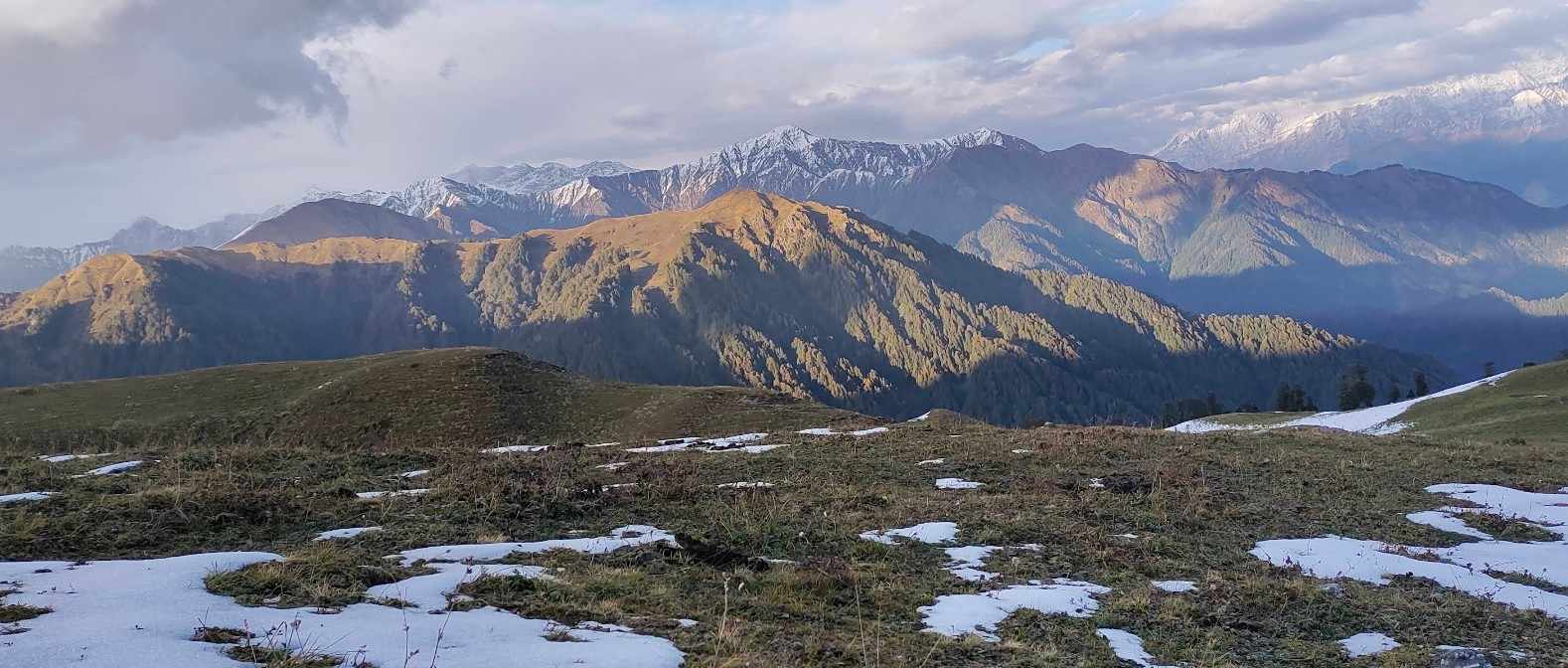
September transforms the region into a lush paradise.
Green valleys around Bhojwasa
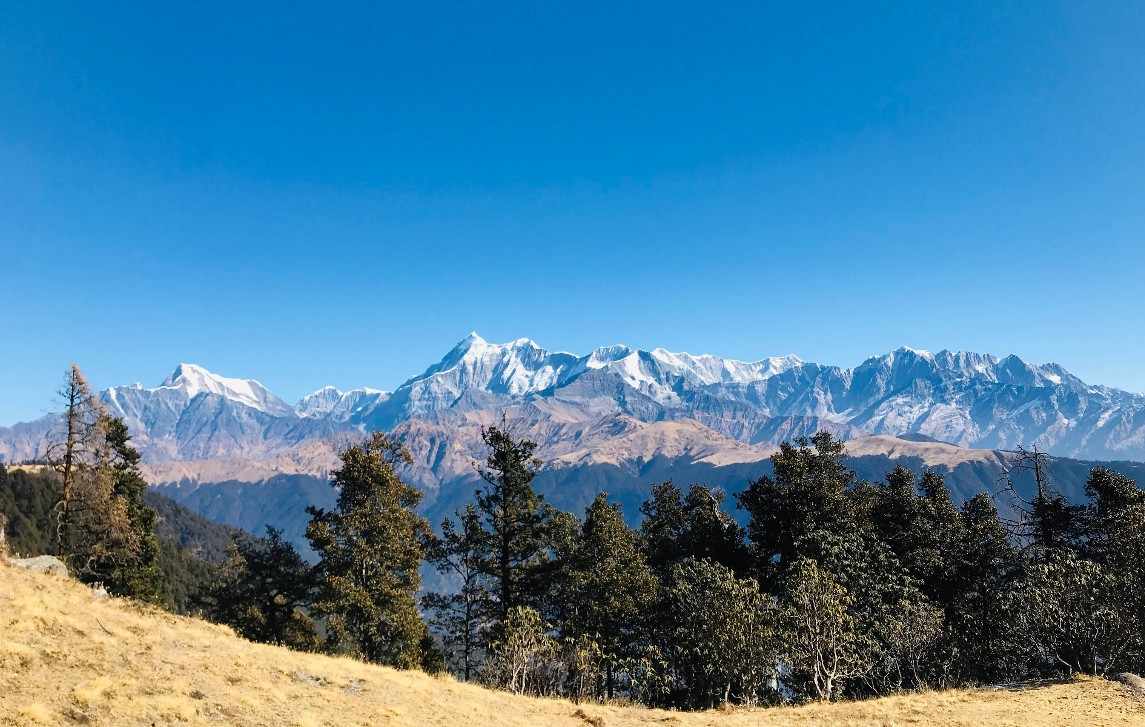
Clear views of peaks like Bhagirathi Peaks
Fresh air after rains
The contrast of greenery and rugged mountains creates stunning visuals.
Verdict on Scenery
May = Snowy landscapes
September = Clear views + green surroundings
Crowd Levels: Busy vs Balanced
May Crowd
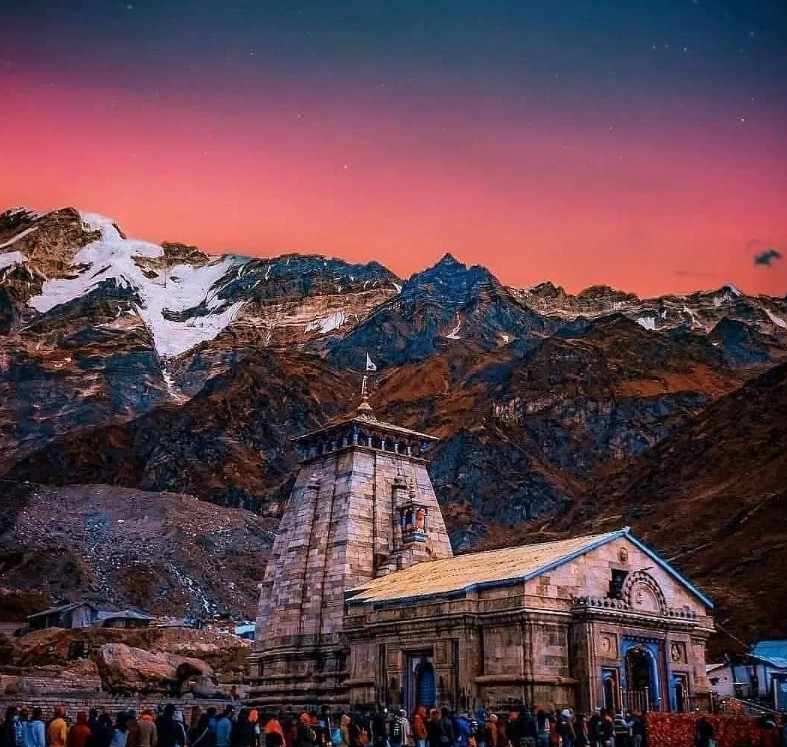
May marks peak pilgrimage season due to the opening of Gangotri Temple.
Higher footfall
Limited accommodation availability
Busier trails
Expect company, even if you prefer solitude.
September Crowd
September sees fewer pilgrims and trekkers.
Less crowded trails
Peaceful campsites
Better availability of permits and stays
This month suits trekkers who prefer silence over social trekking.
Verdict on Crowd
May = Crowded
September = Peaceful
Difficulty Level: Which Month Feels Harder?
May Difficulty
Snow and cold increase the challenge.
Higher energy required
Technical sections feel tougher
Risk of slipping increases
Not ideal for complete beginners unless guided.
September Difficulty
Clear trails reduce difficulty.
Better footing
Easier ascent to Tapovan
Lower technical risk
Still a moderate to difficult trek, but more manageable.
Verdict on Difficulty
May = More challenging
September = Relatively easier
Photography & Visibility
May
Snow reflections can create magical shots
But clouds and sudden weather shifts may reduce visibility
September
Crystal-clear skies
Sharp mountain views
Ideal for landscape photography
Photographers usually prefer September for consistency.
Safety Factors You Should Know
Authorities regulate the trek inside Gangotri National Park with permits and daily limits.
In May
Snow bridges may weaken
Sudden weather shifts possible
In September
Post-monsoon landslides possible on approach roads
River flow stabilizes compared to peak melt season
Both months remain safe if you follow guidelines and hire experienced guides.
Choose May if you:
Want snow without extreme winter
Enjoy challenging trails
Don’t mind crowds
Love dramatic, raw landscapes
Choose September if you:
Prefer stable weather
Want clear mountain views
Like peaceful trekking
Seek a safer, more comfortable experience
Final Verdict
For most trekkers, September offers a better overall experience. It balances safety, scenery, and comfort without compromising the adventure.
But if you crave snow and don’t mind a tougher trail, May will reward you with unforgettable Himalayan drama.
In simple terms:
May feels like a wild adventure movie
September feels like a perfectly shot documentary
Both are worth it. You just need to pick your story.
FAQs
Is Gaumukh Tapovan Trek safe in May?
Yes, but snow increases difficulty. Go with a guide and proper gear.
Is September the best month for beginners?
Yes. Stable trails and moderate weather make it more beginner-friendly.
Do I need permits for the trek?
Yes. You need permits from forest authorities since the trek lies inside Gangotri National Park.
Which month offers better views of Mount Shivling?
September offers clearer visibility, while May offers dramatic snowy surroundings.

Write a comment ...