
Summer in the Himalayas feels like a reset button for the soul. Snow melts, meadows turn green, and trekking trails finally open after months of winter silence. Among India’s top summer destinations, Uttarakhand and Sikkim stand out for their distinct landscapes, culture, and trekking experiences.
Both regions offer unforgettable trails, but they feel very different on the ground. Uttarakhand gives you sacred valleys, ancient villages, and classic Himalayan scenery. Sikkim, on the other hand, offers raw wilderness, giant peaks, and trails that feel more remote and less crowded.
This guide compares popular summer treks in these two states so you can choose the one that fits your style, fitness, and expectations.
Why Summer Is Ideal for Himalayan Treks
Summer creates the most balanced trekking conditions in high altitudes. The extreme cold of winter fades away, and heavy monsoon rains have not yet arrived. Trails become safer, campsites turn lively, and views often improve.
Here are a few reasons why summer is considered one of the best trekking seasons:
Comfortable daytime temperatures between 10°C and 20°C
Snow-free trails on most popular routes
Blooming alpine meadows and wildflowers
Longer daylight hours for relaxed trekking days
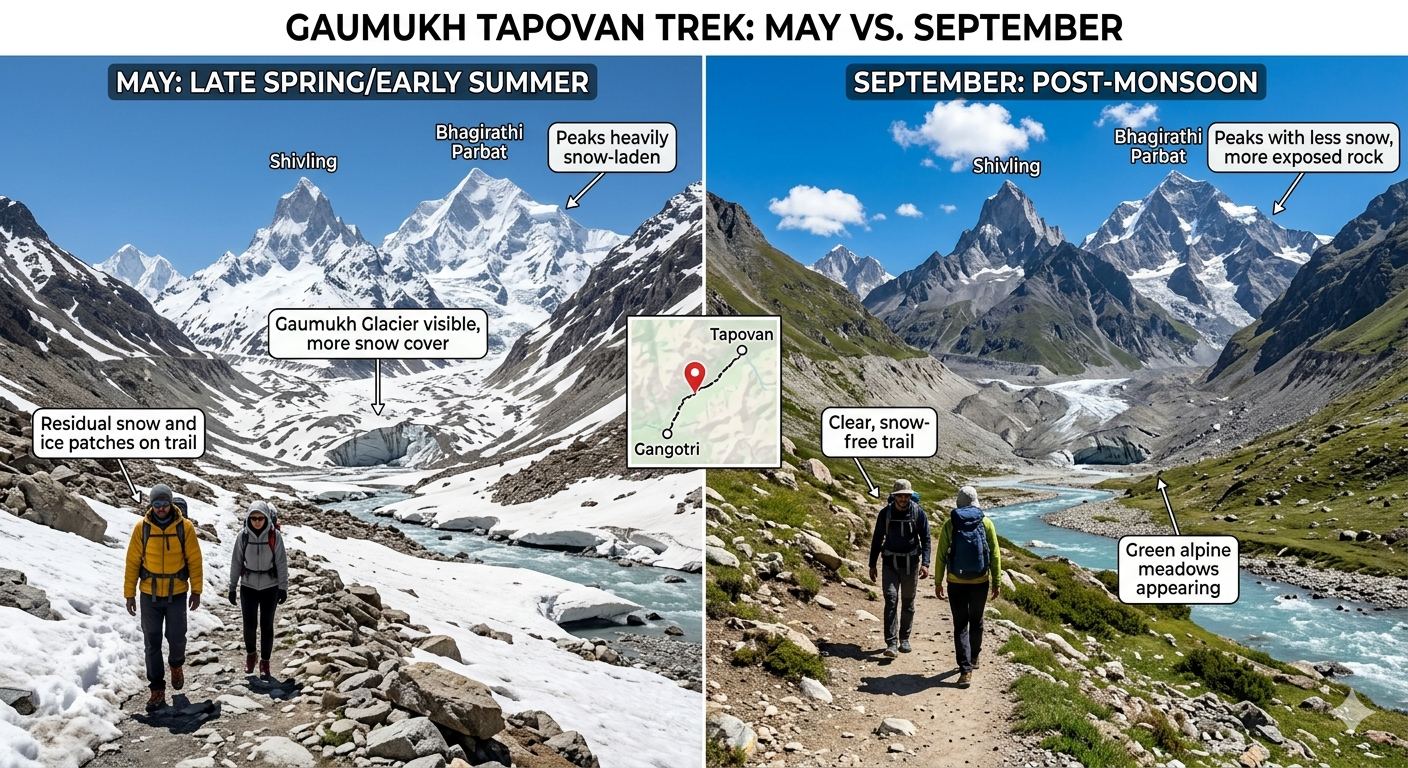
Most summer treks in the Himalayas run from May to June, with another good window in September after the monsoon.
Popular Summer Treks in Uttarakhand
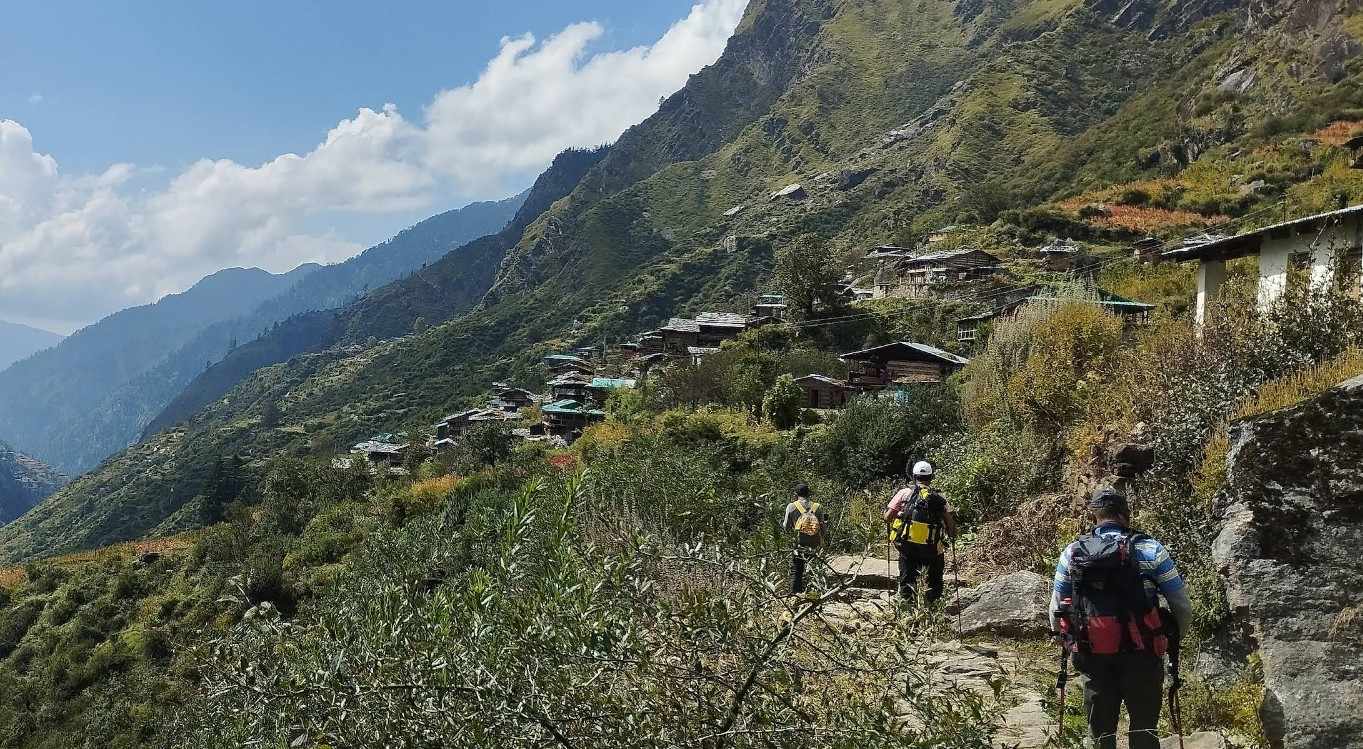
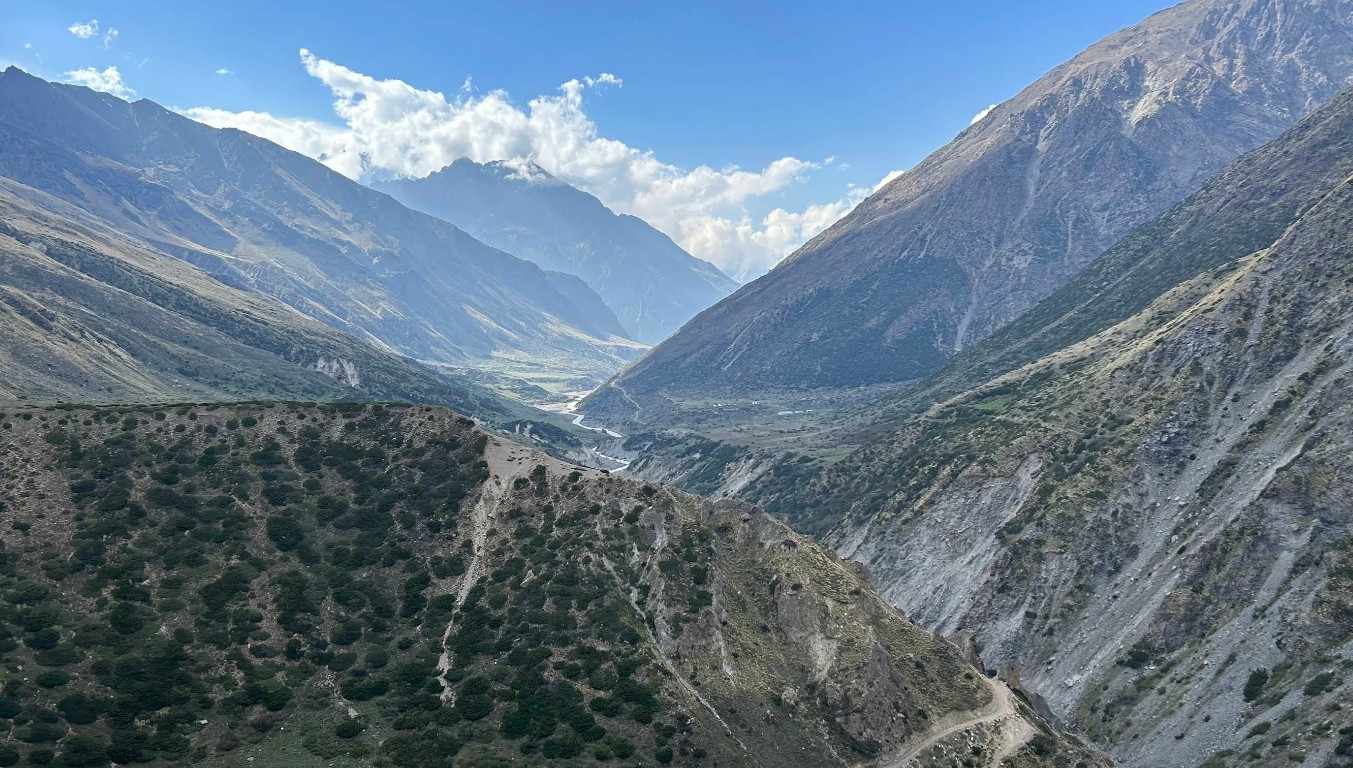
Uttarakhand is known for its wide bugyals (alpine meadows), sacred valleys, and traditional Himalayan villages. Many treks here suit beginners and first-time trekkers.
Dayara Bugyal Trek
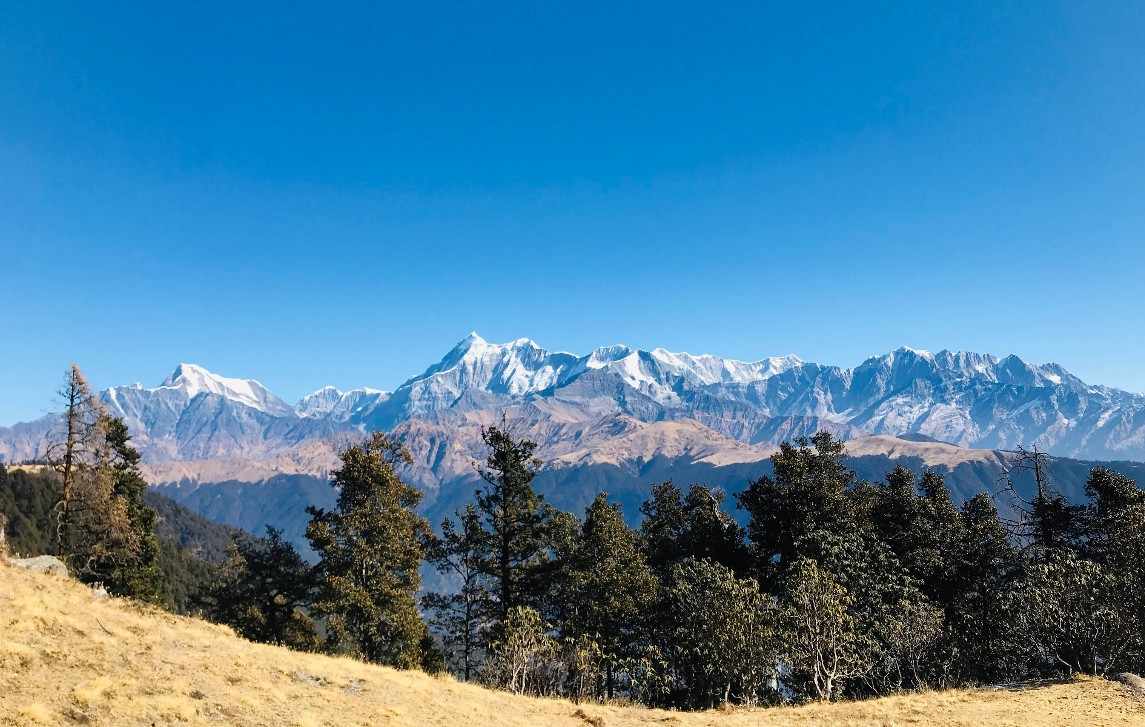
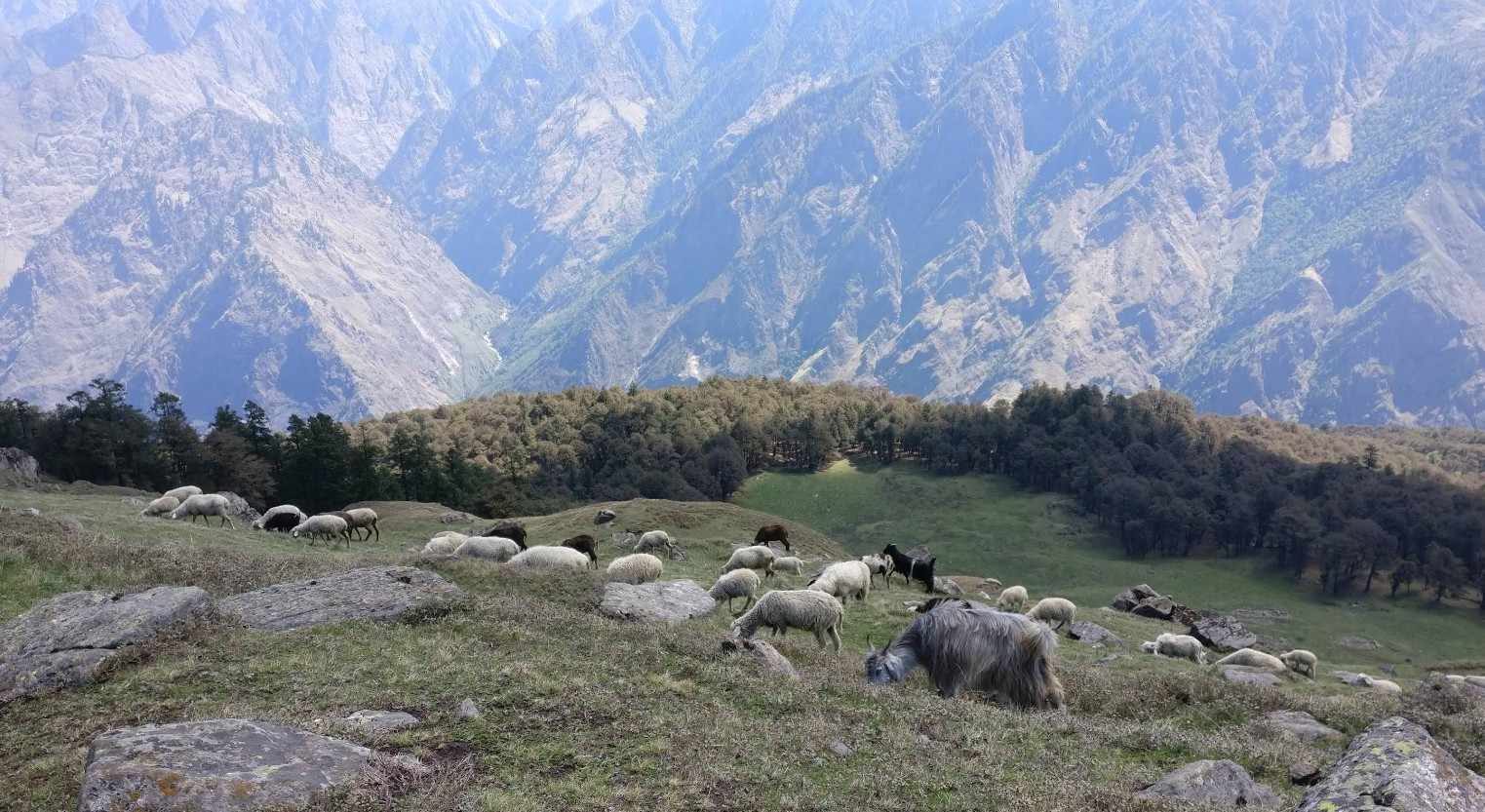
Dayara Bugyal is one of the most beautiful meadow treks in Uttarakhand. During summer, the slopes turn into endless green pastures with clear views of snow-covered peaks.
The trail passes through oak forests, small settlements, and open ridges. The gradual ascent makes it comfortable for beginners. Campsites sit in wide meadows where trekkers can enjoy peaceful sunsets and open mountain views.
Best for: Beginners and scenic meadow lovers
Difficulty: Easy to moderate
Maximum altitude: Around 12,000 ft

Phulara Ridge Trek
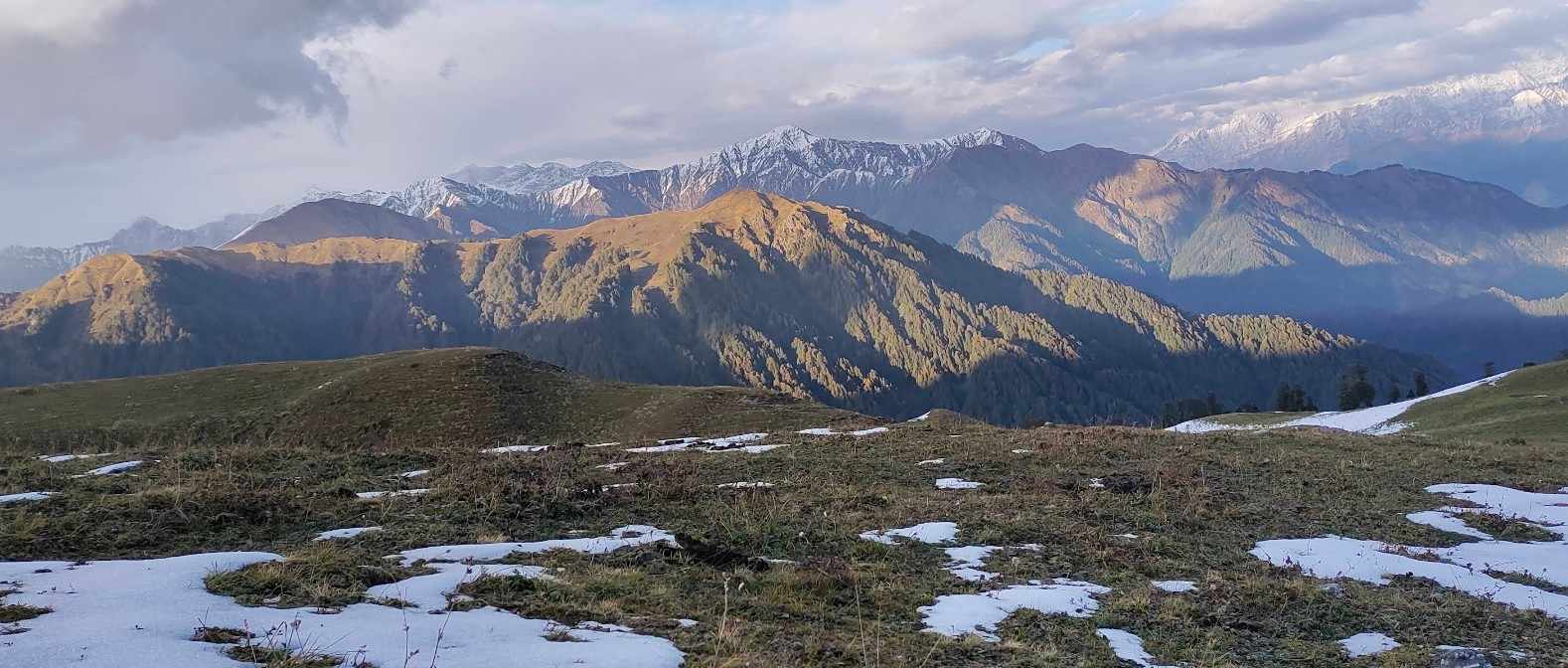
Phulara Ridge offers a rare ridge-walk experience in the Indian Himalayas. Instead of climbing to a single summit, trekkers walk along a long mountain ridge with views on both sides.
In summer, the ridge becomes a green pathway surrounded by distant peaks and deep valleys. The trail combines forests, meadows, and high-altitude ridge walking, making it visually rewarding without being too difficult.
Best for: Unique ridge-walk experience
Difficulty: Easy to moderate
Maximum altitude: Around 12,100 ft

Pangarchulla Peak Trek
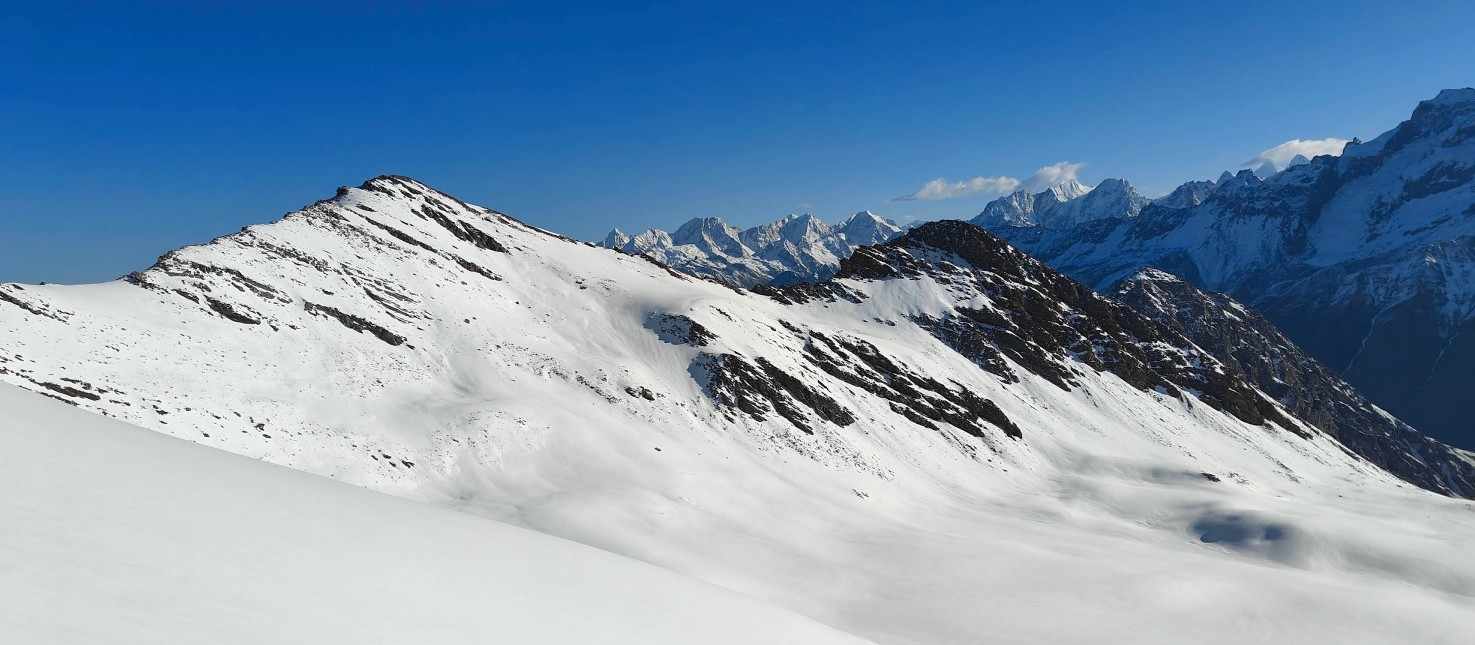
Pangarchulla is a popular summit trek for those who want a bit more challenge. The trail starts through forests and meadows before reaching rocky and snowy sections near the top.
During summer, snow retreats from most parts of the trail, making the summit more accessible. The top rewards trekkers with wide views of famous Garhwal peaks.
Best for: Trekkers seeking a summit experience
Difficulty: Moderate
Maximum altitude: Around 15,000 ft
Popular Summer Treks in Sikkim
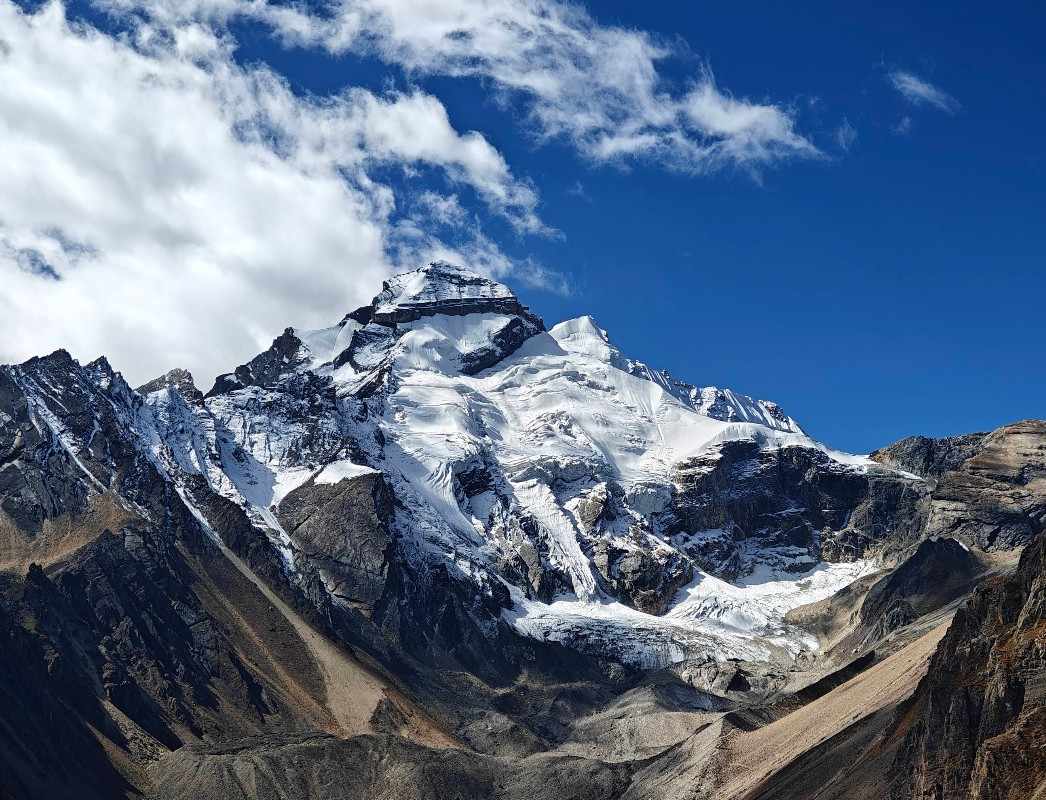
Sikkim offers a more rugged and remote trekking environment. The region sits under the shadow of the Kanchenjunga range, which creates dramatic landscapes and unforgettable views.
Goechala Trek
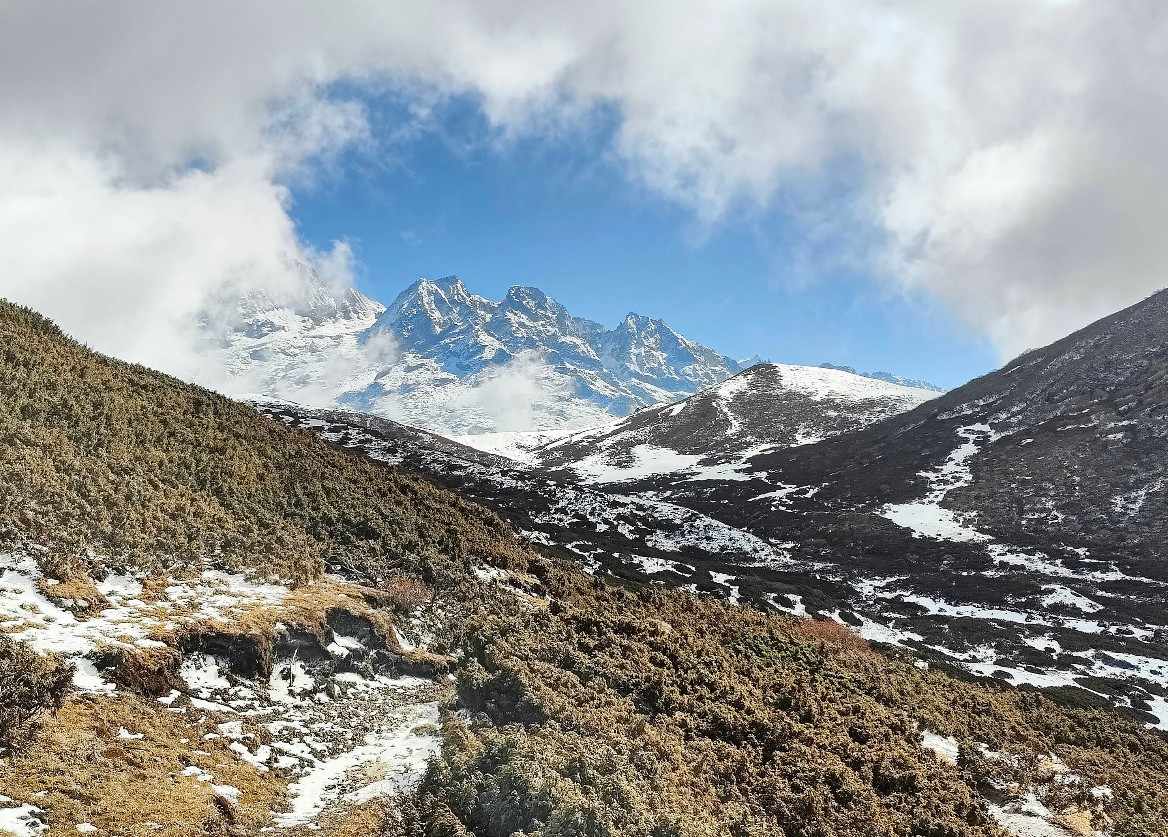
Goechala is the most famous trek in Sikkim. It offers close views of Mount Kanchenjunga, the third-highest mountain in the world.
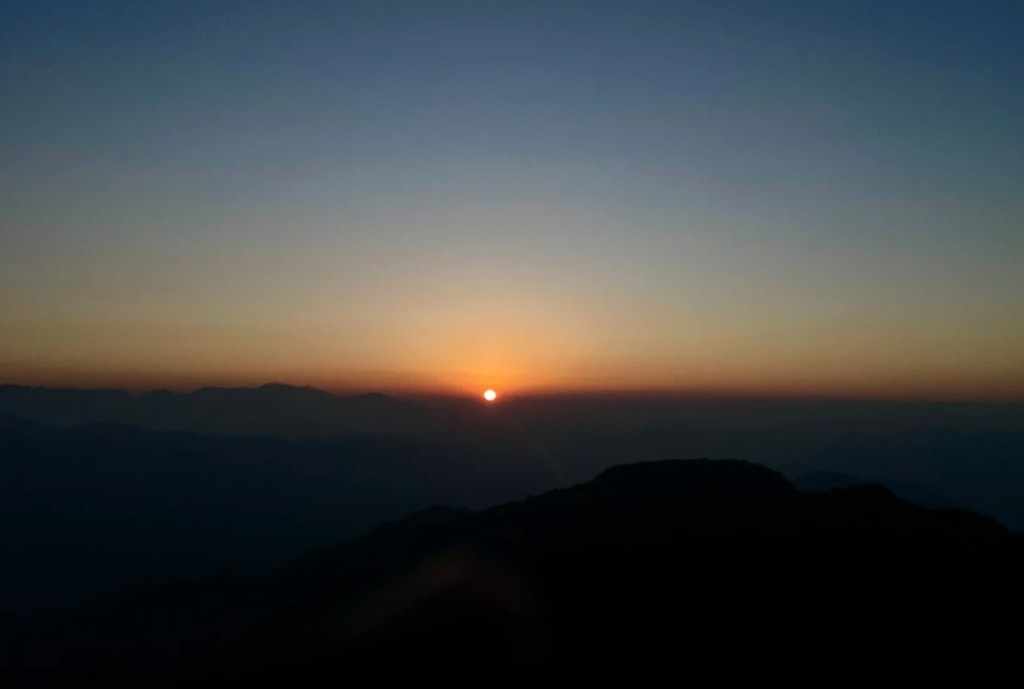
The trail begins in forested valleys and gradually climbs into high alpine terrain. Trekkers cross wooden bridges, walk through rhododendron forests, and camp near glacial lakes. The sunrise view from the Goechala viewpoint remains one of the most iconic sights in the eastern Himalayas.
Best for: Experienced trekkers seeking dramatic mountain views
Difficulty: Moderate to difficult
Maximum altitude: Around 16,200 ft
Dzongri Trek
Dzongri is a shorter alternative to the Goechala trek. It reaches the famous Dzongri Top viewpoint, which offers a stunning panorama of the Kanchenjunga range.
The trail passes through dense forests, yak pastures, and high ridges. Though shorter than Goechala, it still offers a rich high-altitude experience.
Best for: Trekkers with limited time
Difficulty: Moderate
Maximum altitude: Around 13,800 ft
Sandakphu Trek
Sandakphu is one of the most famous ridge treks in the eastern Himalayas. It is known for the “Sleeping Buddha” formation, where several giant peaks line up along the horizon.
The trail features forest paths, small mountain settlements, and long ridge walks. Summer brings clear views and blooming rhododendrons, making the trek both scenic and comfortable.
Best for: Panoramic Himalayan views
Difficulty: Moderate
Maximum altitude: Around 11,900 ft

Key Differences Between Uttarakhand and Sikkim Treks
Landscape and Terrain
Uttarakhand
Wide alpine meadows and forest trails
Gradual ascents on many routes
Scenic valleys with traditional villages
Sikkim
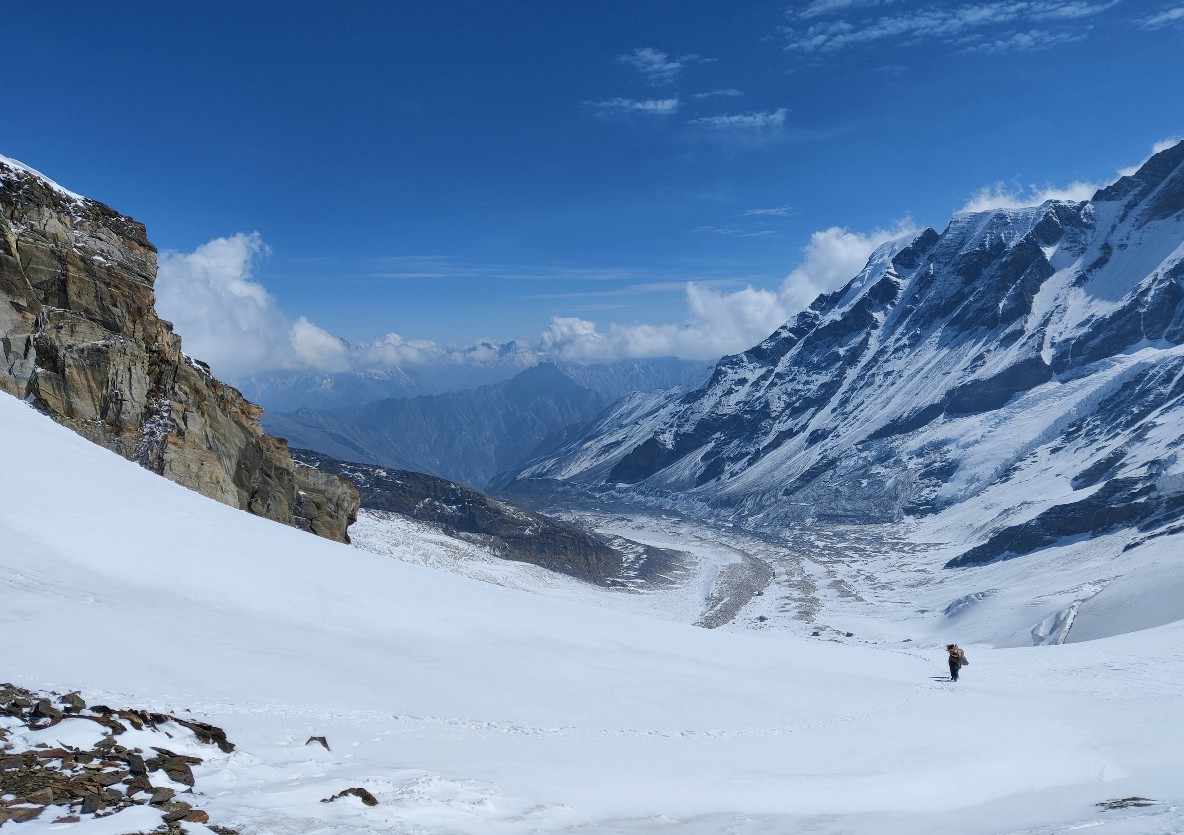
Dense forests and rugged high-altitude terrain
Dramatic views of the Kanchenjunga range
More remote and wild landscapes
Difficulty Levels
Uttarakhand
Many beginner-friendly treks
Moderate altitudes and shorter durations
Ideal for first-time trekkers
Sikkim
Fewer easy options
Higher altitudes and longer routes
Better suited for experienced trekkers
Cultural Experience
Uttarakhand
Traditional mountain villages
Strong spiritual and temple culture
Ancient pilgrimage routes
Sikkim
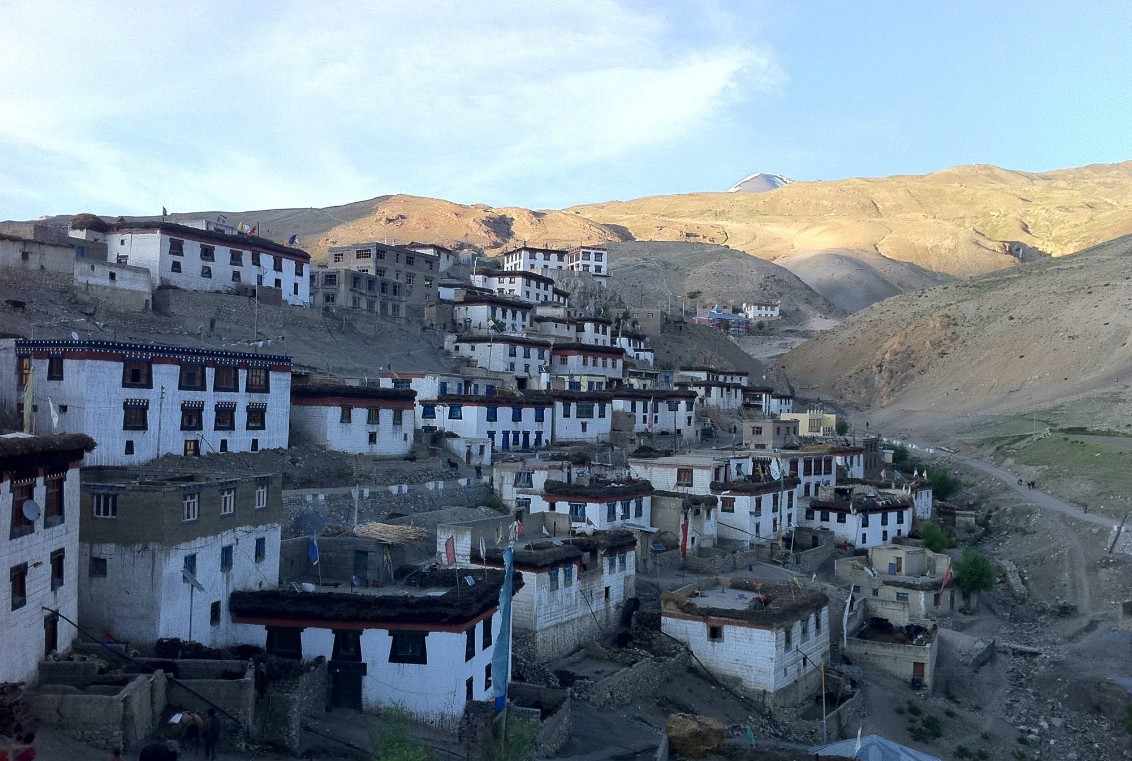
Tibetan Buddhist culture
Monasteries and prayer flags along trails
Distinct eastern Himalayan traditions
Accessibility
Uttarakhand
Easier access from Delhi and North India
Shorter travel time to base camps
Well-connected trekking regions
Sikkim
Requires travel via Bagdogra or Siliguri
Longer road journeys to trek starting points
Permit requirements for some routes
Which Region Should You Choose?
Choose Uttarakhand if you:
Are a beginner or casual trekker
Prefer meadow landscapes and gentle trails
Want easier travel logistics
Choose Sikkim if you:
Want dramatic high-altitude mountain views
Prefer quieter and more remote trails
Have some prior trekking experience
Final Thoughts
Both Uttarakhand and Sikkim offer incredible summer trekking experiences, but they cater to different kinds of trekkers.
Uttarakhand feels welcoming and scenic, with meadows, forests, and culturally rich valleys. It suits beginners and anyone looking for a classic Himalayan introduction.
Sikkim feels raw and dramatic, with towering peaks, deep forests, and remote trails. It attracts trekkers who want a more adventurous and high-altitude experience.
Whichever region you choose, summer in the Himalayas offers clear skies, green landscapes, and memories that stay long after the trek ends.

Write a comment ...