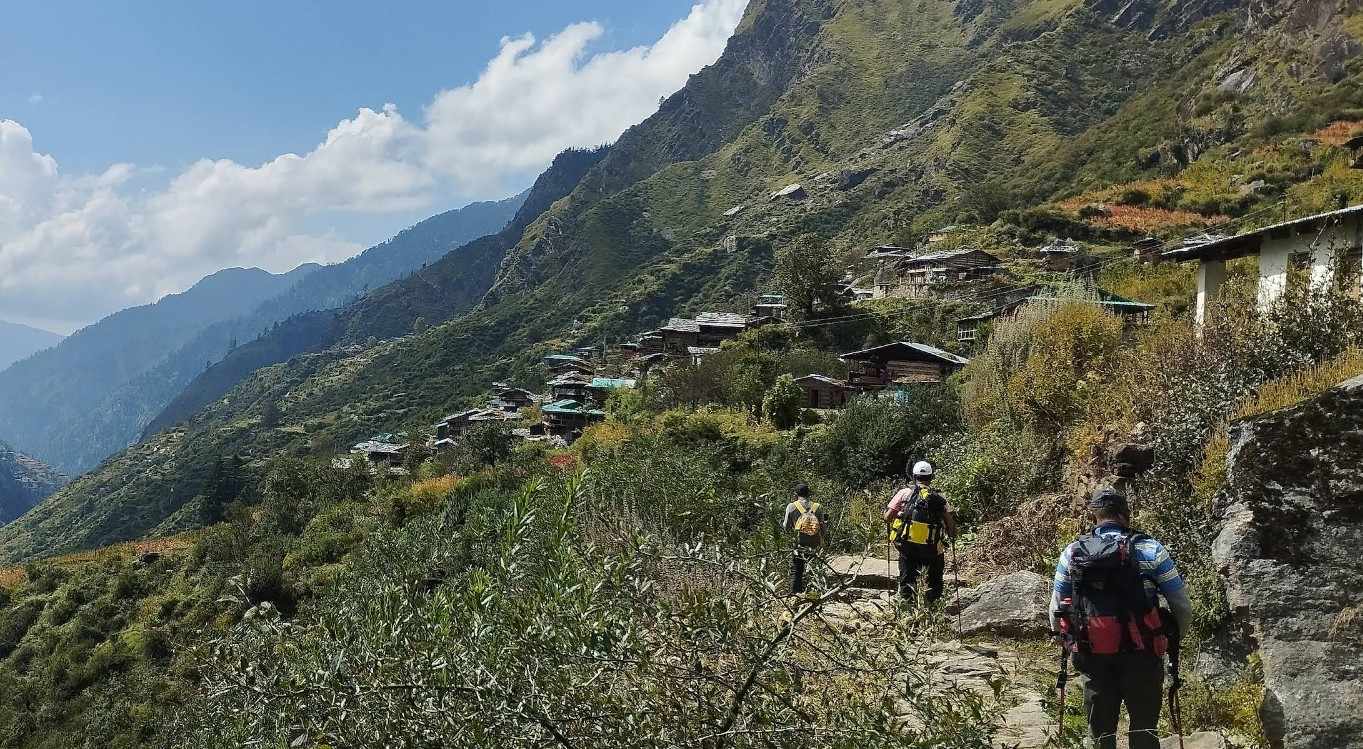
Tucked deep inside the remote valleys of Uttarakhand, Osla Village feels like a place where time slows down on purpose. Most trekkers rush past it while heading toward Har Ki Dun, but those who stop here often remember it more vividly than the trek itself.
Osla is not just a stop on a trail. It is a living, breathing Himalayan village that still follows traditions shaped over centuries. Wooden houses, ancient beliefs, and warm smiles define this hidden gem. If you want to understand the soul of the Himalayas, you cannot skip Osla.
Where Is Osla Village Located
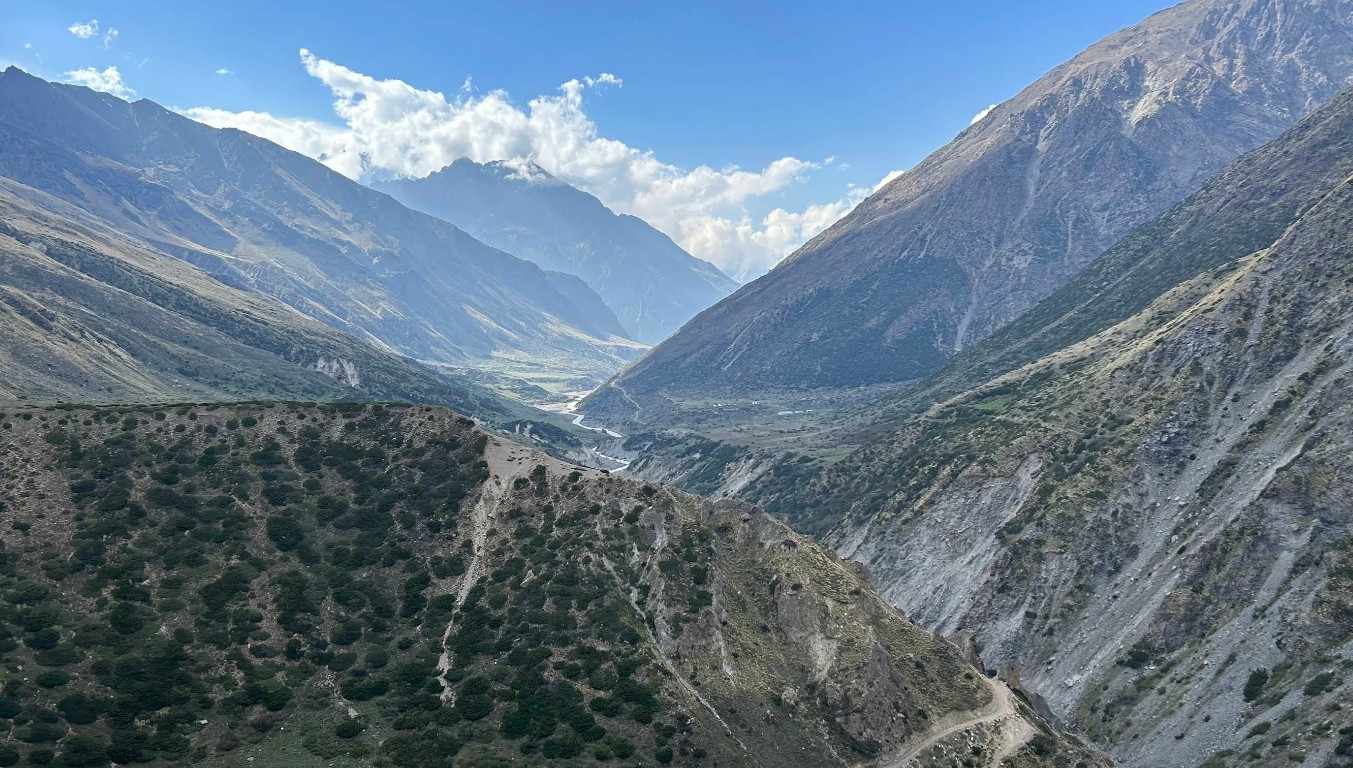
Osla Village sits in the Govind Pashu Vihar National Park region of Uttarkashi district. It lies at an altitude of around 2,590 meters, above the roaring Tons River.
Trekkers usually reach Osla on the way to Har ki dun after crossing Seema village. A hanging bridge connects the route, adding a bit of thrill before you enter this peaceful settlement.
The village remains cut off from major urban development. That isolation has preserved its culture, architecture, and way of life in a rare and authentic form.
Why Osla Village Stands Out
Osla is not about luxury stays or Instagram cafes. It offers something far more valuable: authenticity.
Here’s what makes it special:
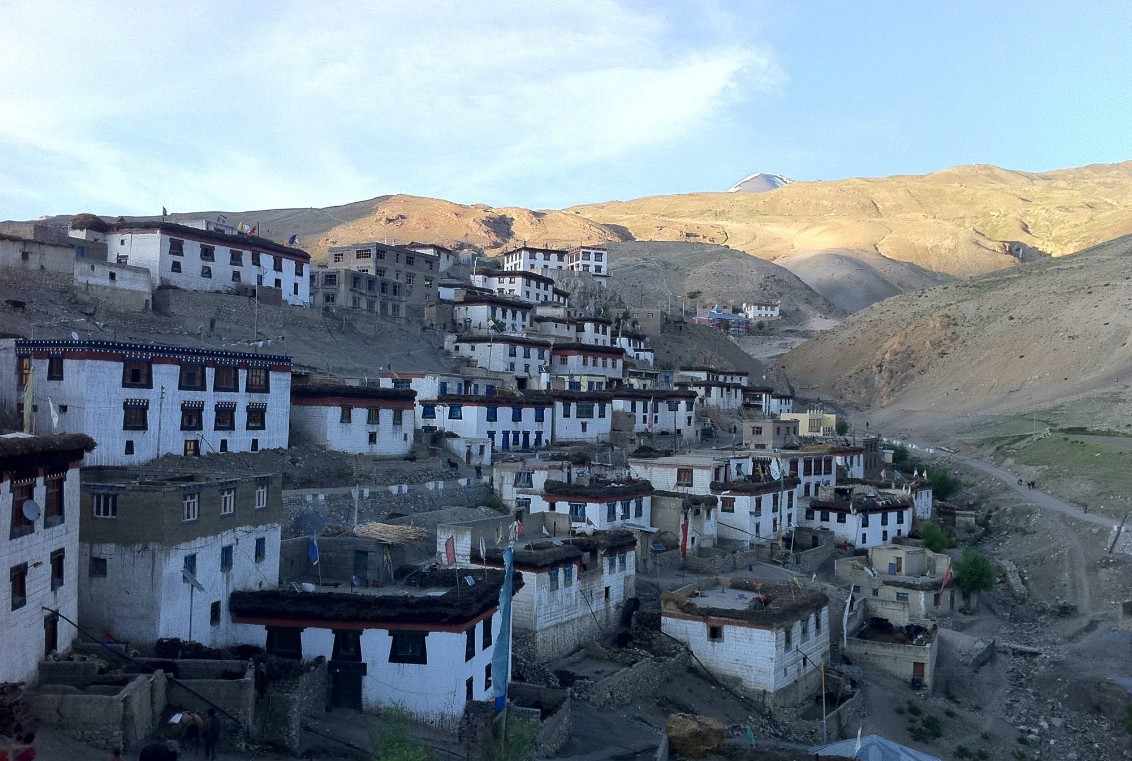
Traditional wooden houses with slate roofs
A strong sense of community life
Deep-rooted myths and folklore
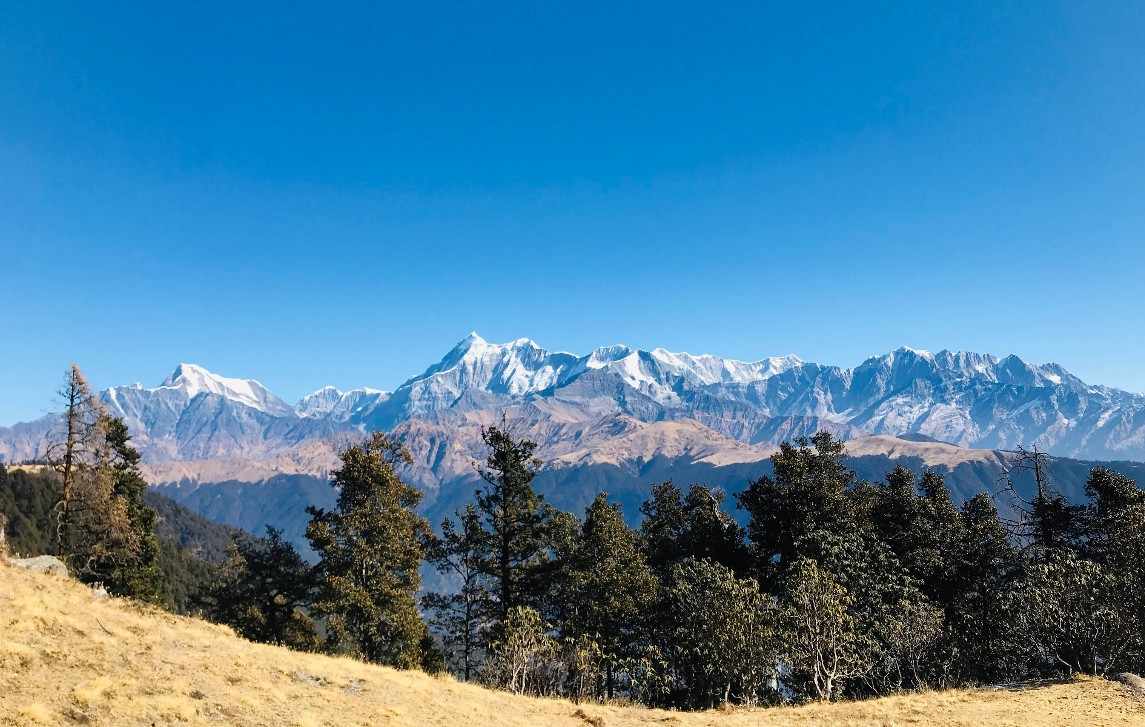
Stunning Himalayan landscapes without crowds
Unlike commercial hill destinations, Osla does not try to impress you. It simply exists in its pure form, and that honesty leaves a lasting impact.
The Unique Architecture of Osla
The first thing you notice in Osla is its wooden houses. Built using traditional Himalayan techniques, these homes use deodar wood and stone to withstand harsh winters.
The carvings on doors and balconies often carry symbolic meanings. Many houses feature intricate designs inspired by local beliefs and nature.
These structures are not just aesthetic. They serve practical purposes:
Keep interiors warm during snowfall
Resist earthquakes better than modern concrete
Use locally available materials
In a world obsessed with modern construction, Osla quietly proves that old methods still work brilliantly.
The Mystery of the Duryodhana Temple
One of the most fascinating aspects of Osla is its connection to Duryodhana.
Yes, you read that right.
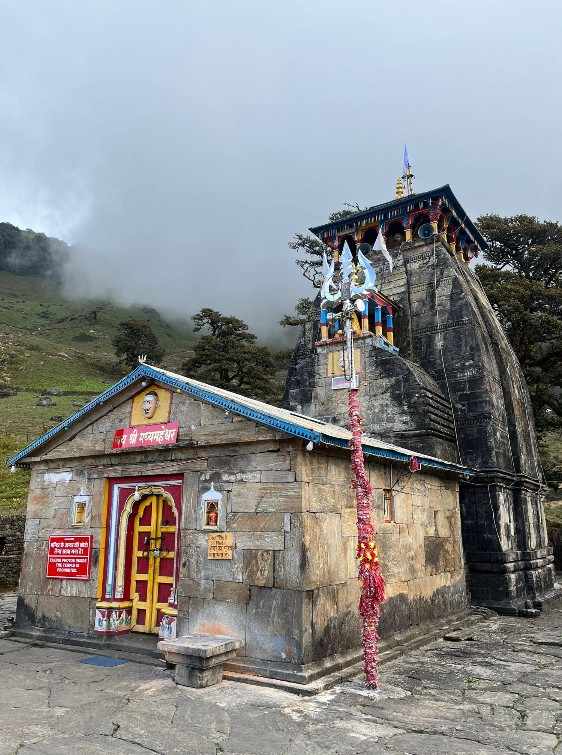
While most of India worships the Pandavas, Osla and nearby villages revere Duryodhana. The village temple, often referred to as the Duryodhana Temple, stands as a symbol of this unique belief.
Locals consider him a just and generous king. According to their oral traditions, he helped their ancestors during difficult times.
Historians and researchers have studied this cultural anomaly, and while versions differ, one thing remains clear: Osla preserves a rare narrative that challenges mainstream mythology.

Life in Osla Village
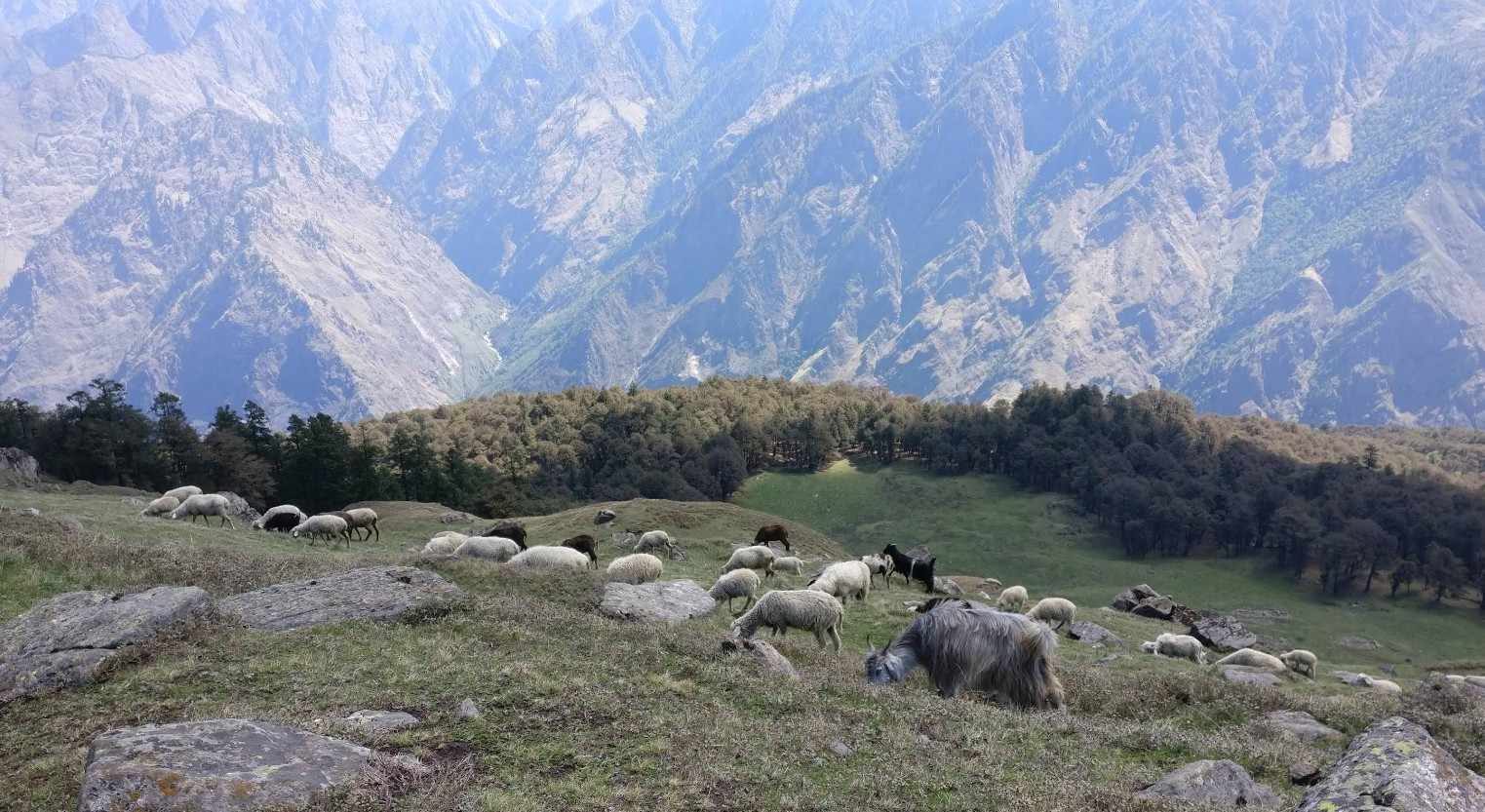
Life in Osla runs on simplicity and routine. The villagers depend on agriculture, animal husbandry, and seasonal tourism.
You will see:
Women carrying firewood and working in fields
Children walking long distances to school
Elderly residents sharing stories by the fire
Electricity and mobile networks have reached parts of the village, but they do not dominate daily life.
Hospitality here feels genuine. If a local invites you for tea, expect conversations, not just a quick sip and exit.
Osla as Part of the Har Ki Dun Trek
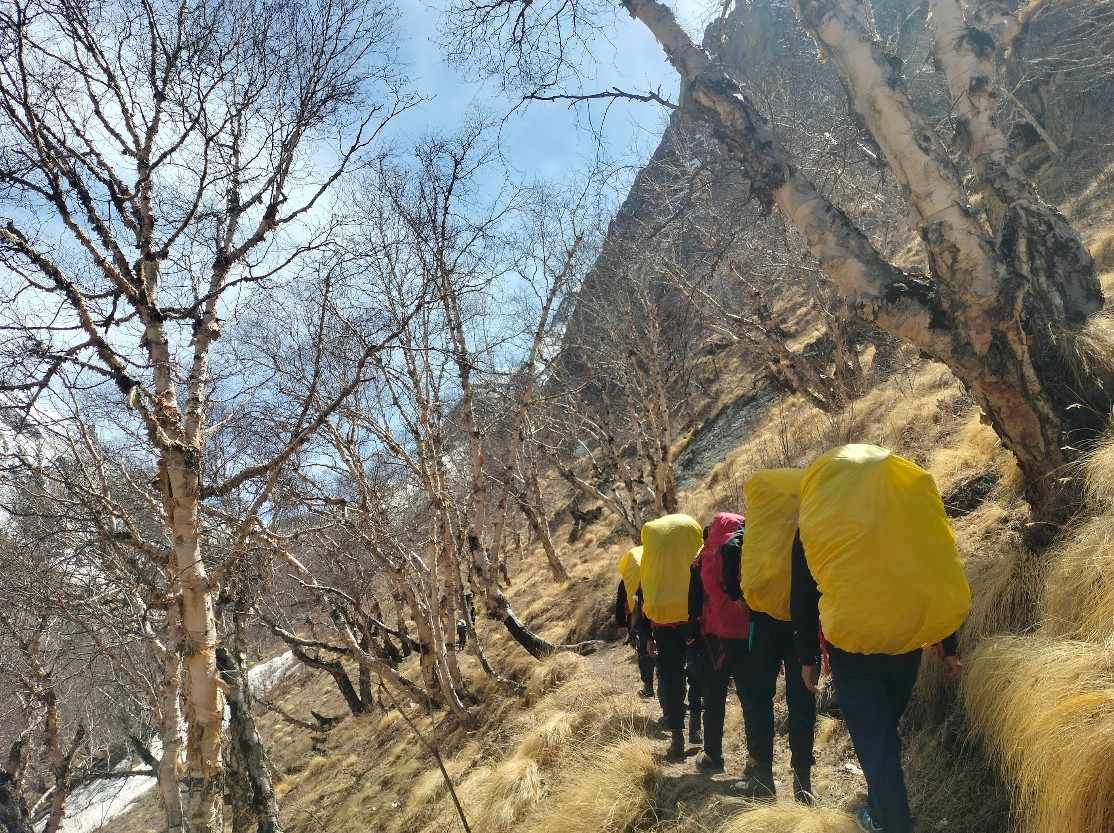
Most trekkers encounter Osla on Day 3 of the Har Ki Dun trek. By this point, the trail already showcases dense forests, river crossings, and scenic campsites.
Osla adds a cultural layer to the journey.
Instead of just walking through landscapes, you start interacting with people and traditions. It breaks the monotony of trekking and gives your journey a deeper meaning.
Many trekkers regret not spending enough time here. A short halt often turns into one of the most memorable parts of the trek.
Best Time to Visit Osla Village
Osla remains accessible mainly during the trekking seasons. Each season offers a different experience.
Spring (March to April)
Snow begins to melt, and the valley slowly turns green. The weather stays pleasant, making it ideal for first-time trekkers.
Summer (May to June)
Clear skies and comfortable temperatures dominate. This period attracts the highest number of trekkers heading toward Har Ki Dun.
Autumn (September to November)
Post-monsoon clarity gives stunning mountain views. The air feels crisp, and the landscapes look sharp and vibrant.
Winter (December to February)
Heavy snowfall cuts off access. Only experienced trekkers attempt the route, and Osla becomes extremely quiet.
How to Reach Osla Village
Reaching Osla requires effort, but that’s part of its charm.
Step-by-step route:
Travel to Sankri from Dehradun
Drive from Sankri to Taluka
Start trekking from Taluka
Reach Seema, then cross the bridge to Osla
The trek from Taluka to Osla takes around 5 to 6 hours, depending on your pace.
You won’t find direct roads or easy shortcuts. And honestly, that’s what keeps Osla special.
What to Expect During Your Stay
Osla does not offer hotels or resorts. You will stay in basic homestays or trekking camps.
Here’s what you should expect:
Simple rooms with basic bedding
Local food like dal, rice, roti, and vegetables
Limited electricity supply
Minimal network connectivity
But you will also experience:
Clear night skies filled with stars
Fresh mountain air
Genuine human connections
Comfort may feel limited, but the experience feels rich.
Food and Local Flavors
Food in Osla stays simple, nutritious, and locally sourced.
Common meals include:
Dal and rice
Seasonal vegetables
Chapati made from local grains
Do not expect fancy menus. Expect fresh food cooked with care.
Sometimes, locals offer traditional dishes if you show genuine interest. That’s when the real culinary experience begins.
Cultural Etiquette You Should Follow
Osla’s charm depends on its preserved culture. As a visitor, you should respect local traditions.
Keep these points in mind:
Ask before taking photos of people or homes
Dress modestly
Avoid loud behavior or music
Respect religious beliefs, even if they feel unfamiliar
Tourism should support, not disturb, the village lifestyle.
Why Osla Village Is Still Underrated
Despite its uniqueness, Osla remains under the radar. Several reasons explain this:
Limited accessibility
Lack of commercial promotion
Focus on Har Ki Dun as the main attraction
Ironically, these factors protect Osla from over-tourism.
While popular destinations struggle with crowd management, Osla continues to offer a peaceful and authentic experience.
The Real Value of Visiting Osla
Osla does not compete with famous hill stations. It offers something they often lack: depth.
Here’s what you take back from Osla:
A better understanding of Himalayan life
Respect for traditional knowledge
Memories that feel personal, not staged
In short, Osla teaches you to slow down. And that lesson stays long after the trek ends.
Final Thoughts
Osla Village proves that the true beauty of the Himalayas lies beyond peaks and viewpoints. It lives in small villages, quiet traditions, and untold stories.
Most people chase destinations. A few discover places like Osla.
If you plan the Har Ki Dun trek, do not treat Osla as just another stop. Spend time here. Talk to locals. Observe the details.
Because sometimes, the hidden gem is not hidden by accident. It simply waits for the right kind of traveler.

Write a comment ...