
Planning the Bali Pass Trek without checking the right season is like carrying snow boots to a beach. You might survive, but you won’t enjoy it much. Timing plays a massive role here because this trek crosses a high mountain pass close to 5,000 meters and links two very different valleys. Weather decides whether you walk on green trails, soft snow, or risky landslides.
This guide explains the best time to do Bali Pass Trek with a clear month by month breakdown, so you can plan with confidence, not guesswork.
Let’s start with the big picture and then zoom into each month.
Why Season Matters So Much on Bali Pass
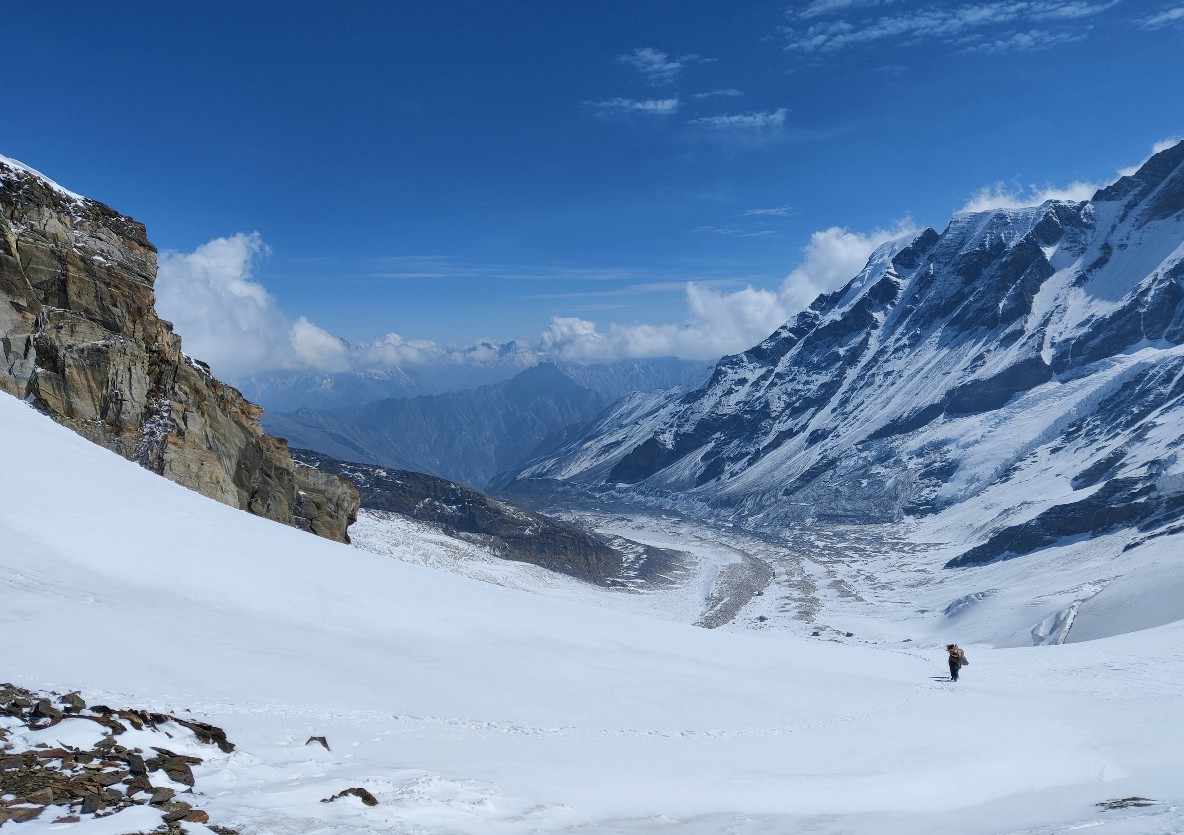
Bali Pass Trek is not a regular forest trek. It includes steep climbs, glacier patches, river crossings, and a high-altitude pass that reacts strongly to weather changes. Snowfall, rain, and temperature shifts directly affect safety and trail conditions.
Even if you are fit, bad timing can turn the trek into a stressful experience. On the other hand, the right season rewards you with clear skies, safer routes, and views that actually look like your Instagram dreams.
That is why choosing the best time to do Bali Pass Trek is not optional. It is essential.

January to February: Deep Winter Zone
These two months sit in the heart of Himalayan winter. Heavy snow blocks most routes, and temperatures drop far below freezing at higher camps.
During this time:
Trails remain buried under thick snow.
Campsites become inaccessible.
Risk of avalanches increases.
Only technical mountaineering teams attempt nearby routes in this season. Normal trekking groups do not operate Bali Pass during January and February.
Verdict: Completely unsuitable for trekking.
March: Winter Starts Loosening Its Grip
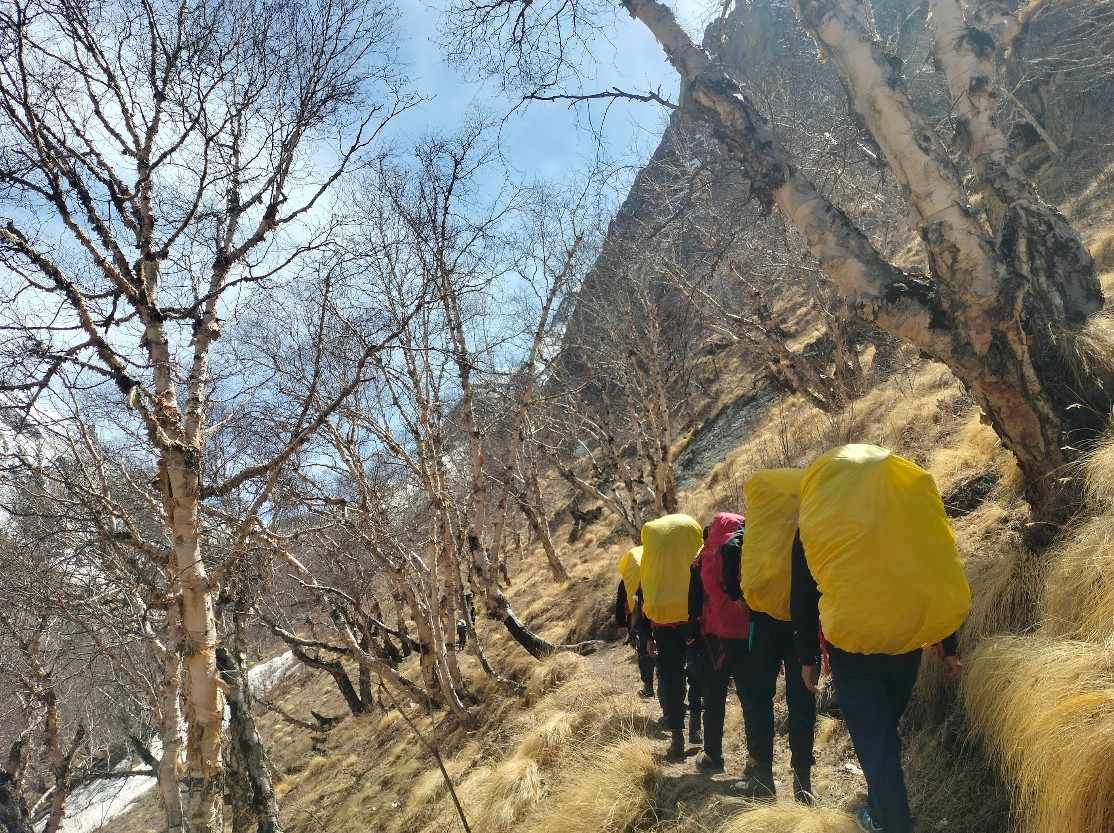
March brings slightly warmer days, but snow still dominates the landscape above mid-altitudes. While lower villages may look pleasant, the actual Bali Pass route remains unsafe.
You may see:
Melting snow in lower forests
Frozen upper slopes
Unstable snow bridges near streams
Even though spring begins in the valleys, the pass itself stays closed.
Verdict: Not a practical trekking month for Bali Pass.
April: Signs of Spring, But Not Ready Yet
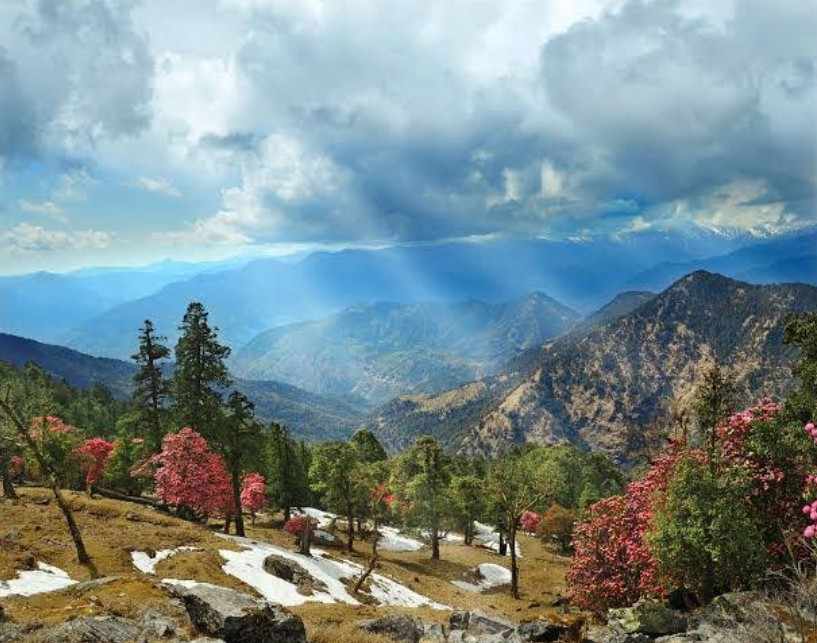
April brings visible changes. Trees start blooming, birds return, and snow slowly melts in lower sections. But higher camps and the pass remain under heavy snow.
What April looks like:
Beautiful forests and early flowers
Snow beyond mid-level camps
Difficult navigation near the pass
Some training or acclimatization treks happen nearby, but crossing Bali Pass remains risky.
Verdict: Scenic but not suitable for full Bali Pass crossing.
May: Season Officially Begins
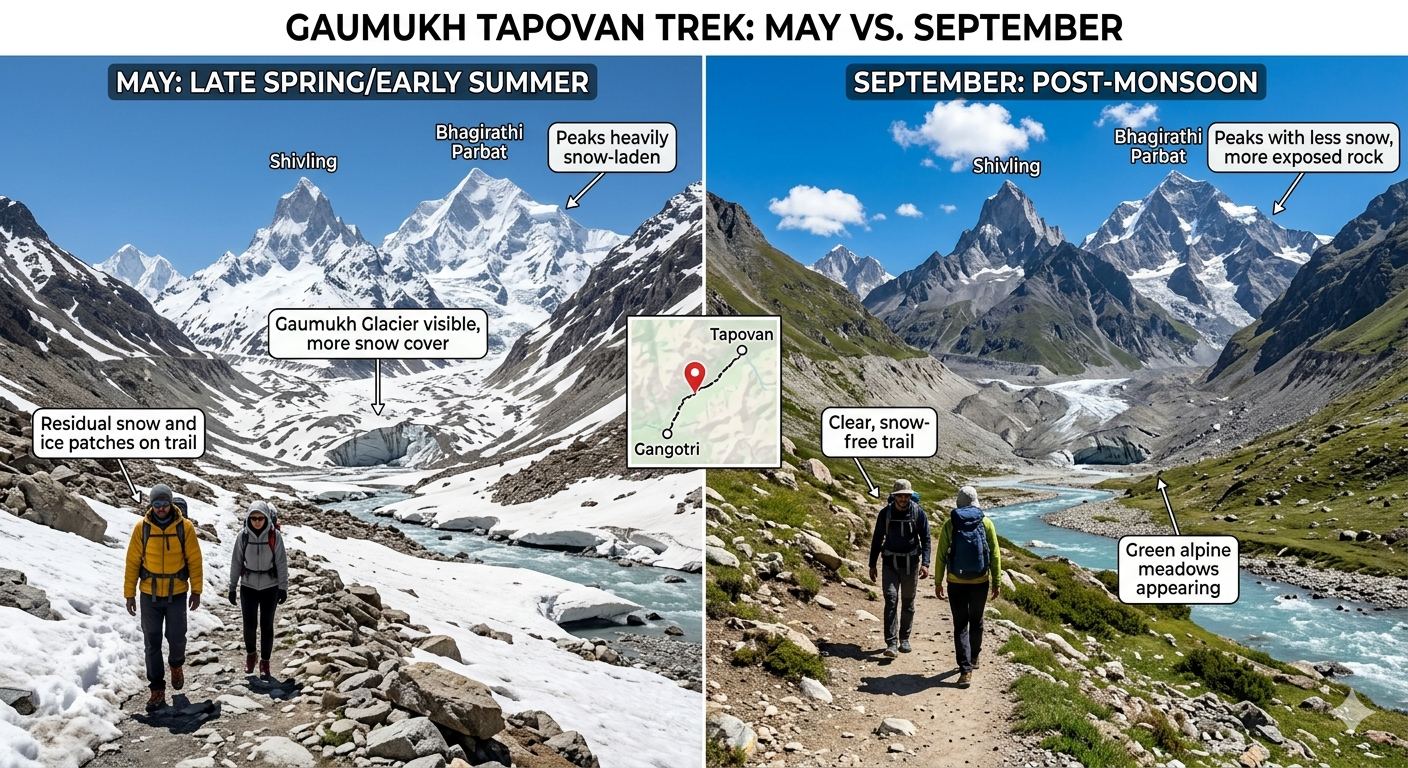
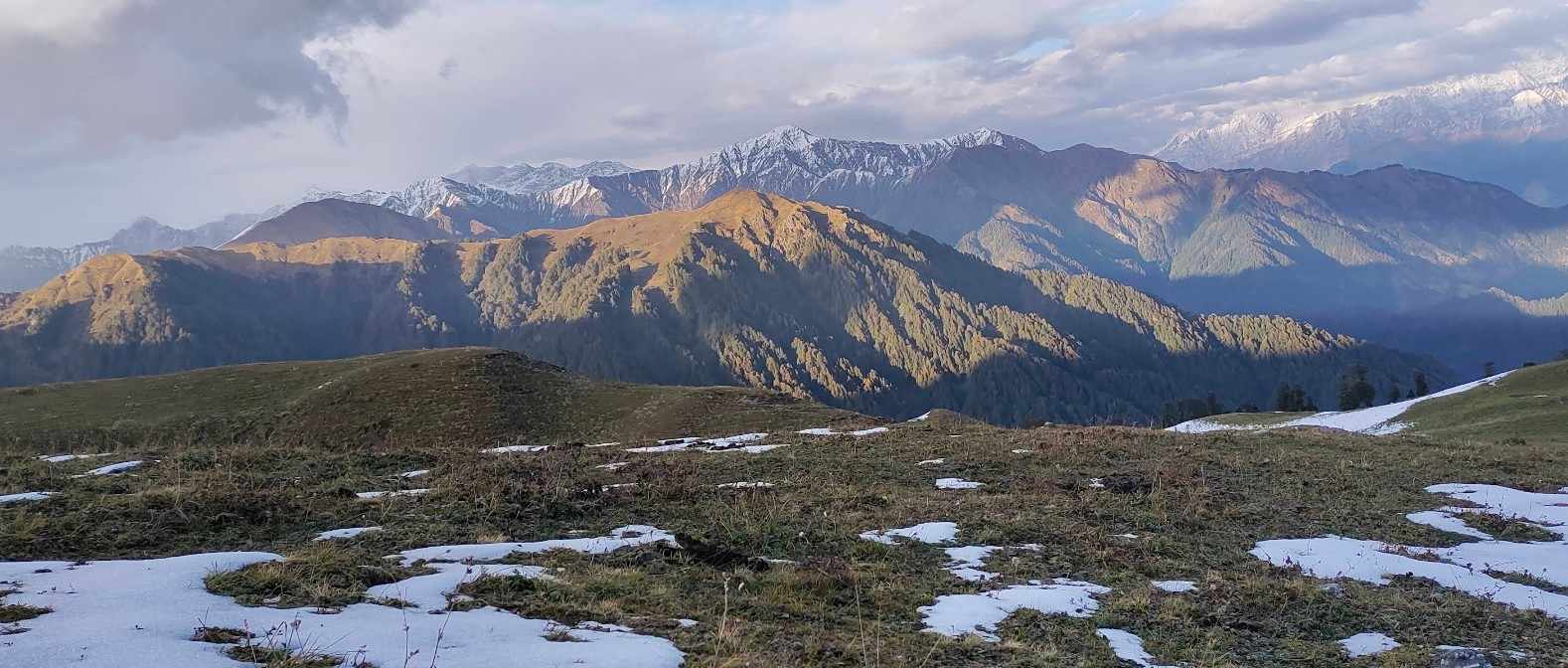
May marks the real start of the trekking season. Snow retreats from most trails, though some patches remain near the pass. Temperatures improve, and campsites reopen.
This month offers:
Pleasant daytime temperatures
Snow patches that add adventure, not danger
Lush meadows starting to turn green
Rivers still carry snowmelt, so crossings feel energetic but manageable with guides.
Many trekkers prefer May because it gives a mix of snow and greenery without extreme cold.
Verdict: One of the best times to do Bali Pass Trek.
June: Peak Trekking Season
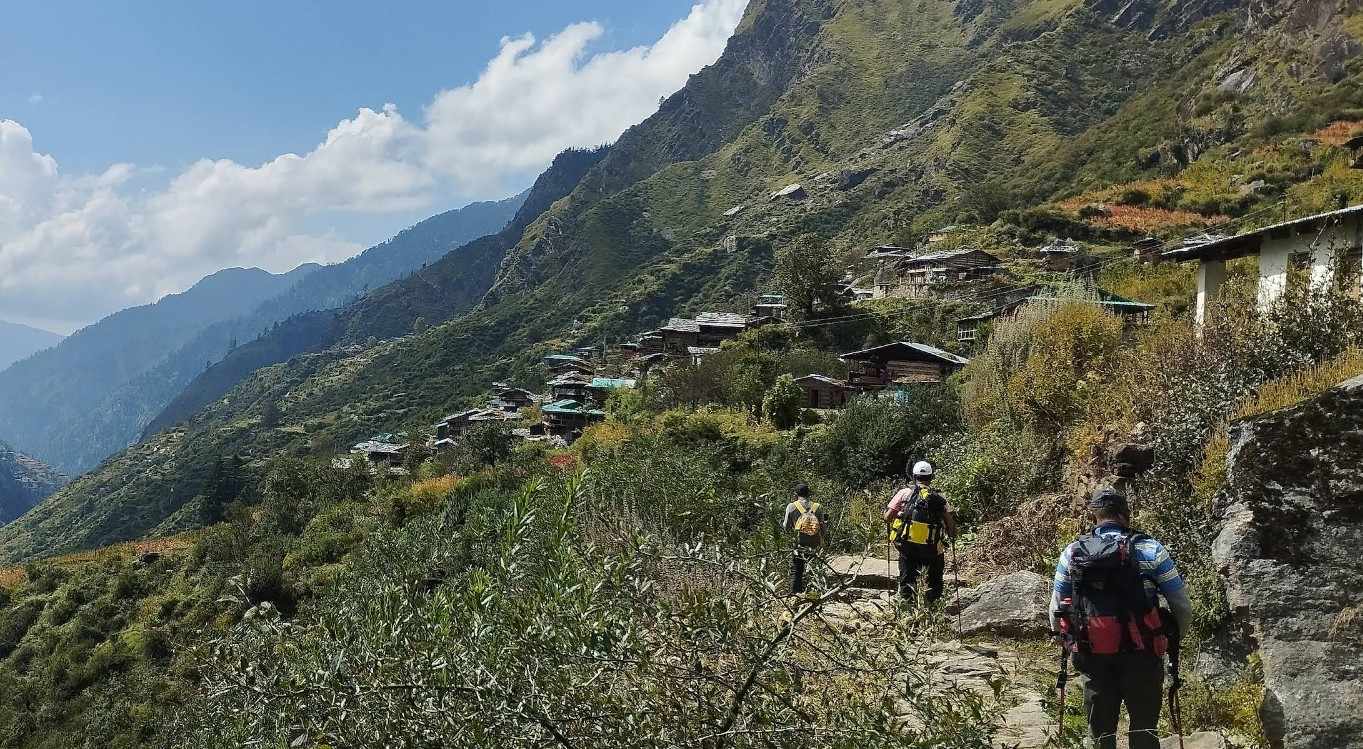
June is when Bali Pass truly shines. Most snow clears from the trail, except for a few sections near the pass. The weather remains mostly stable, and long daylight hours make walking comfortable.
In June, you get:
Clear mountain views
Fully accessible camps
Flower-filled alpine meadows
Safer river crossings compared to early spring
However, by late June, humidity begins to increase in lower areas, hinting that monsoon is approaching.
Still, for most trekkers, June feels like the perfect balance between comfort and beauty.
Verdict: Excellent month for first-time Bali Pass trekkers.
July: Monsoon Arrives and Changes Everything
July flips the mood completely. Heavy rain hits the region, soaking trails and loosening mountain slopes.
During monsoon:
Landslides block approach roads
Trails turn slippery and muddy
River crossings become dangerous
Cloud cover hides mountain views
Even experienced trekkers avoid high passes during this season. Safety becomes unpredictable, and evacuation can get difficult.
Verdict: Strongly not recommended.
August: Same Risks, More Water
August continues the monsoon pattern. Rain may reduce slightly toward the end of the month, but ground conditions remain unstable.
You may face:
Flooded streams
Leeches in forest zones
Poor visibility
Delayed transport
While some lower altitude treks reopen late August, Bali Pass remains too risky due to its height and terrain.
Verdict: Avoid completely.
September: Post Monsoon Perfection
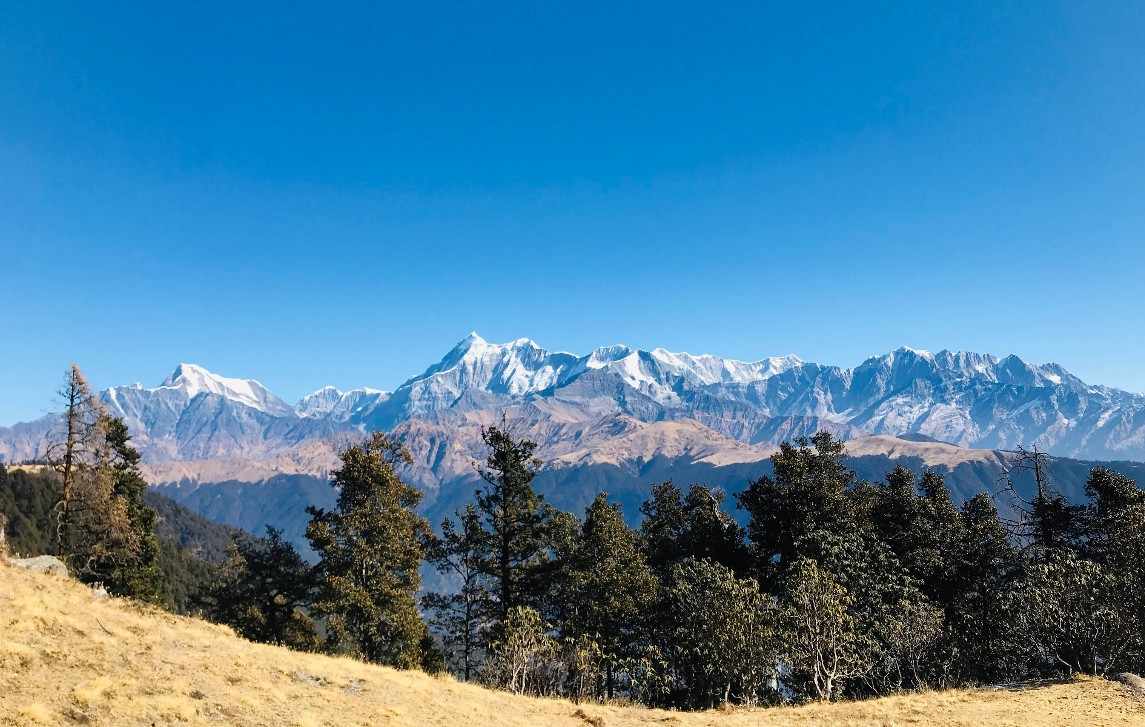
September feels like the mountains pressing the refresh button. Rains wash away dust, skies clear up, and the air becomes crisp.
This month offers:
Sharp mountain views
Dry and stable trails
Comfortable temperatures
Fewer insects and cleaner camps
Snow starts appearing again only toward late October, so September gives a safe window for high passes.
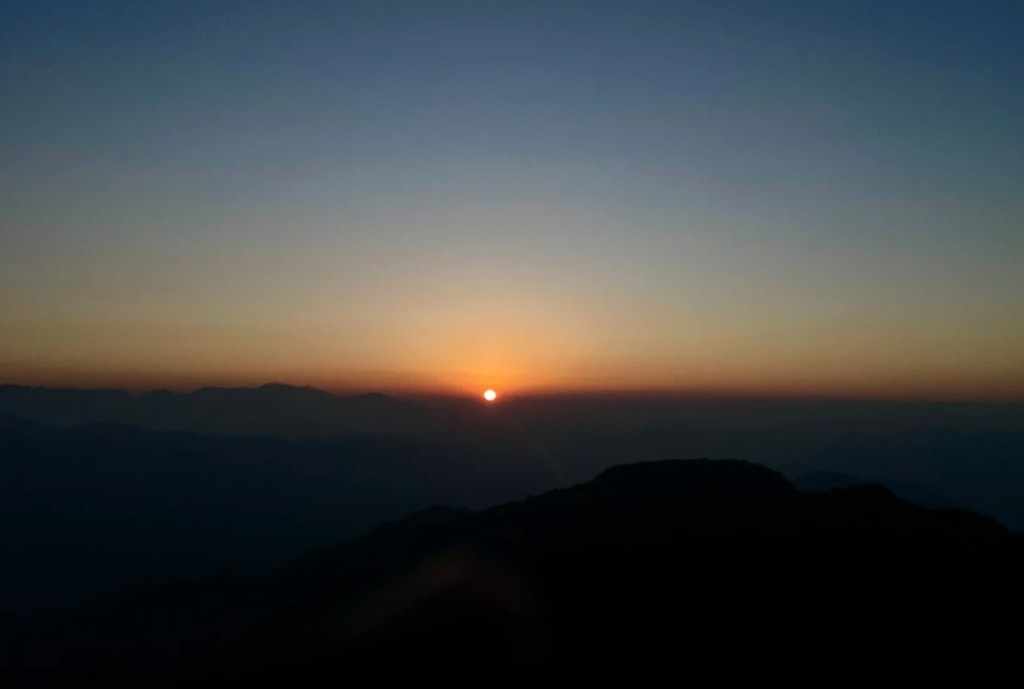
Photographers especially love this month because of crystal-clear horizons and dramatic sunrise colors.
Verdict: Arguably the best month to do Bali Pass Trek.
October: Cold Nights, Golden Landscapes
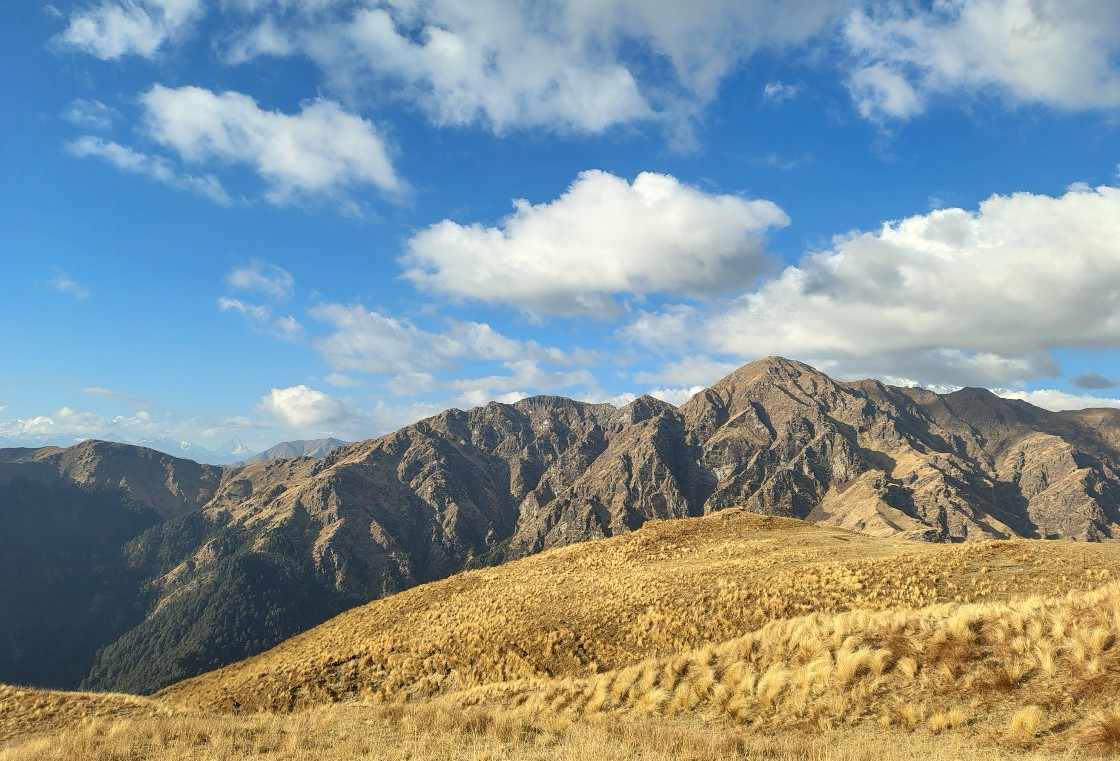
October keeps the skies clear but brings cooler air. Forests turn golden and brown, giving the trail an autumn feel.
Expect:
Cold nights at higher camps
Bright sunny days
Thin snow layers near the pass by late October
Early October remains excellent for trekking. Toward the end of the month, temperatures drop fast, and snow can return suddenly.
Treks operate mainly in the first half of October to stay on the safer side.
Verdict: Great choice if you start early in the month.
November: Winter Knocking on the Door
November marks the transition to winter. Snowfall becomes more frequent, and temperatures drop sharply after sunset.
Conditions include:
Frozen ground at camps
Snow near the pass
Shorter daylight hours
Some experienced groups attempt early November crossings with proper equipment, but most operators close the route by mid-month.
Verdict: Only for highly experienced trekkers, otherwise not advised.
Best Months at a Glance
If you want a simple answer, here it is:
Best Overall Months: May, June, September, early October
Risky Months: April, late October, early November
Unsafe Months: January to March, July, August
This pattern stays consistent almost every year because it follows the Himalayan climate cycle.
Choosing the Right Month Based on Your Goal
Different trekkers want different experiences. Here’s how to match your goals with the season.
If You Want Snow but Safe Trails
Choose May or early June. You’ll see snow near the pass without facing winter-level risk.
If You Want Clear Views and Stable Weather
Pick September. This month gives the cleanest skies and sharpest mountain views.
If You Love Autumn Colors and Fewer Crowds
Go for early October. You’ll enjoy peaceful trails and warm daytime sunlight.
Fitness and Timing Go Hand in Hand
Even in the best months, Bali Pass remains a demanding trek. Altitude gain, long walking hours, and steep climbs test stamina.
If you choose early season months like May, expect more snow walking. If you pick September, prepare for colder nights but smoother trails.
No matter the month:
Cardio training helps a lot
Leg strength reduces injury risk
Acclimatization days are non-negotiable
Good timing makes the trek safer, but fitness makes it enjoyable.
Weather Can Change, But Patterns Stay Reliable
Mountains always carry surprises. A sunny morning can turn cloudy by afternoon. However, long-term weather patterns remain fairly stable each year.
That’s why trekking organizations across Uttarakhand consistently schedule Bali Pass batches only during:
Late spring
Early summer
Post-monsoon autumn
They avoid winter and monsoon not because of comfort, but because of safety and evacuation risks.
Final Thoughts: Timing Is Your Silent Teammate
Choosing the Best Time to Do Bali Pass Trek (Month by Month Breakdown) is like choosing the right partner for a long journey. When timing supports you, the trek feels challenging but rewarding. When it works against you, every step becomes a struggle.
To sum it up simply:
May and June give you fresh landscapes and snow adventure
September gives you perfect skies and stable trails
Early October offers peaceful autumn beauty
Avoid monsoon and deep winter unless you have professional-level experience and equipment.
Plan smart, train well, and let the mountains show you their best side — not their dangerous one.


Write a comment ...