
Summer in India can feel like a heated argument with the sun. But here is the good news. The Himalayas offer a cool escape where frozen lakes start to melt, meadows turn green, and trekking routes come alive again.
If you are looking for the best lake trek in India to visit in summer, you are in the right place. These treks combine adventure, natural beauty, and that unbeatable feeling of reaching a pristine alpine lake after a long climb.
Let’s explore some of the most stunning lake treks you can plan this summer, including the raw and powerful Kedartal Lake Trek.
Why Choose Lake Treks in Summer
Summer is the perfect time for high-altitude lake treks in India. Snow begins to melt, which makes routes accessible but still scenic. You get a mix of snow patches, flowing streams, and clear skies.
Unlike monsoon, you avoid landslides and slippery trails. Compared to winter, you don’t need extreme gear or experience.
In simple words, summer gives you the best balance of safety and beauty.
1. Kedartal Lake Trek
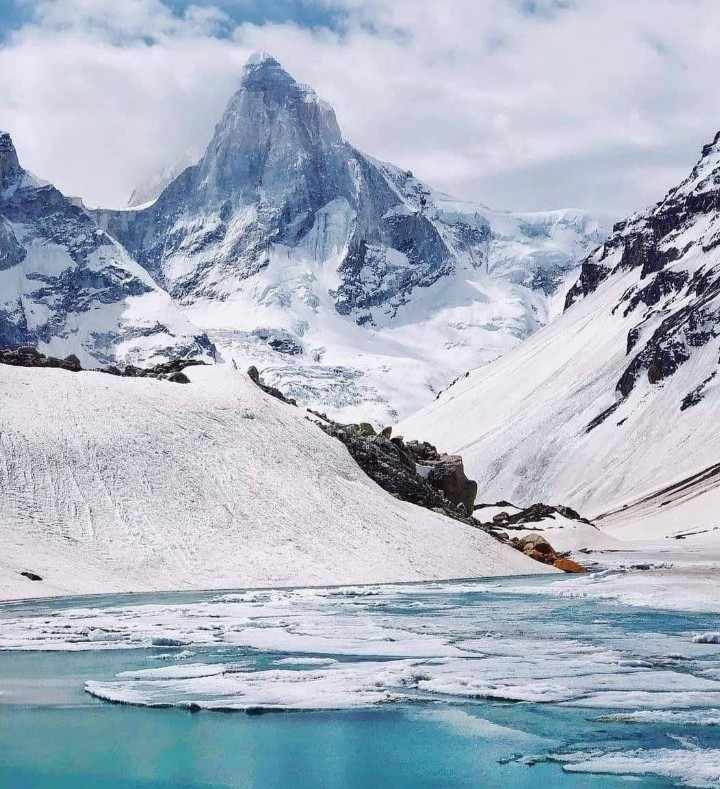
The Kedartal lake trek is not for beginners. But if you love raw Himalayan landscapes, this one will stay with you forever.
Located near Gangotri, Kedartal sits at an altitude of around 4,750 meters. The lake reflects towering peaks like Thalay Sagar, which creates a dramatic and almost unreal view.
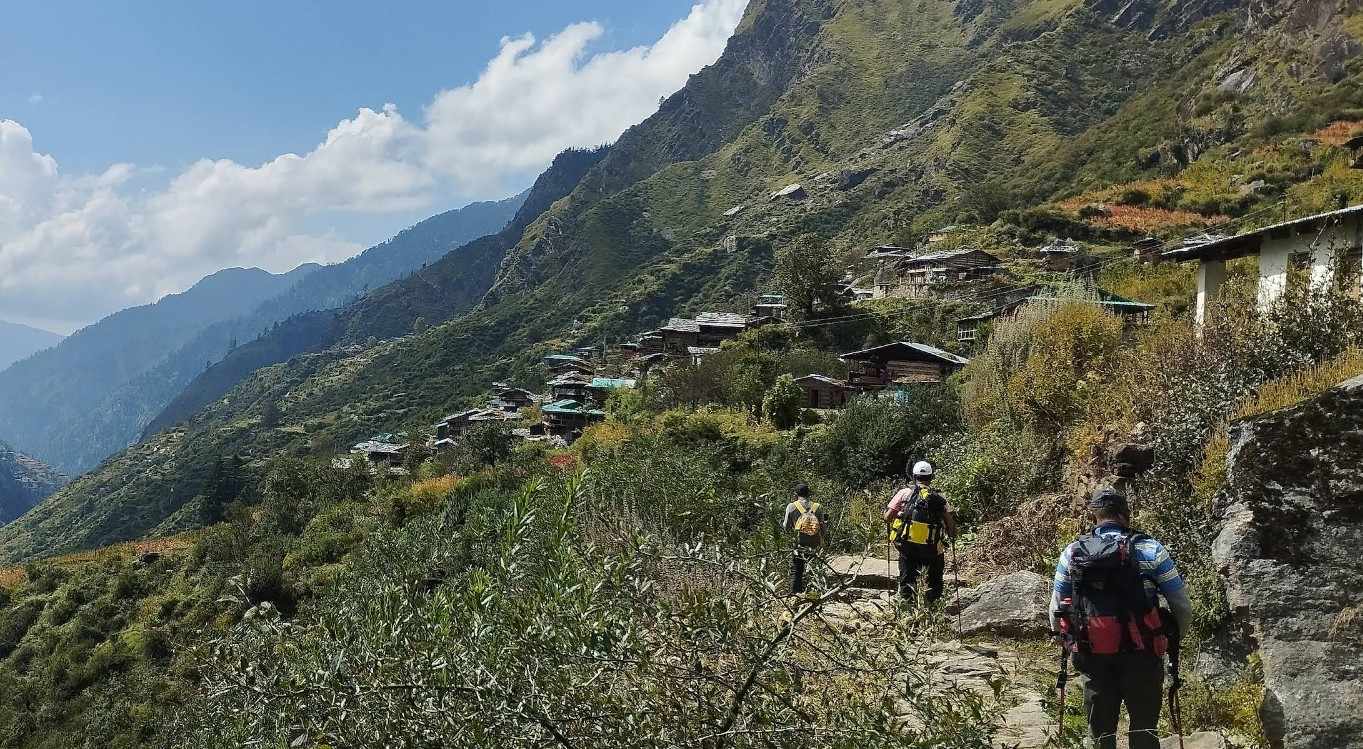
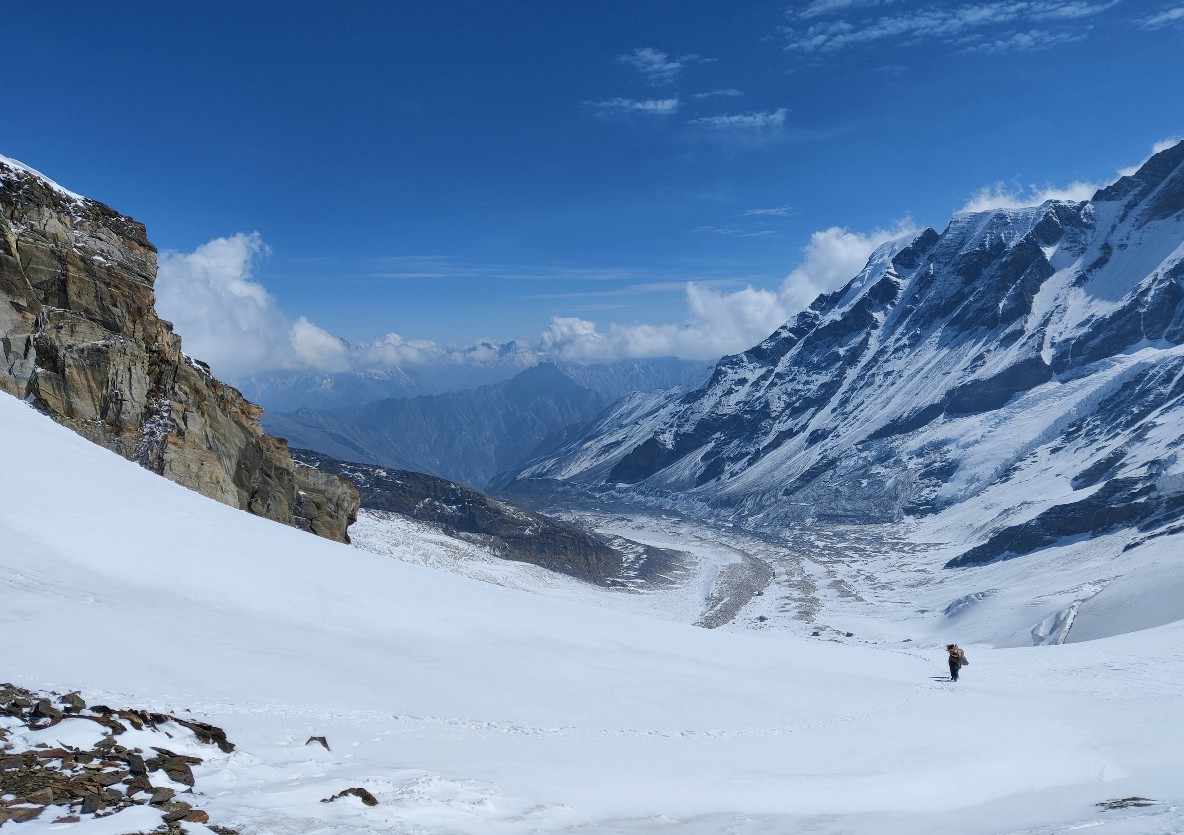
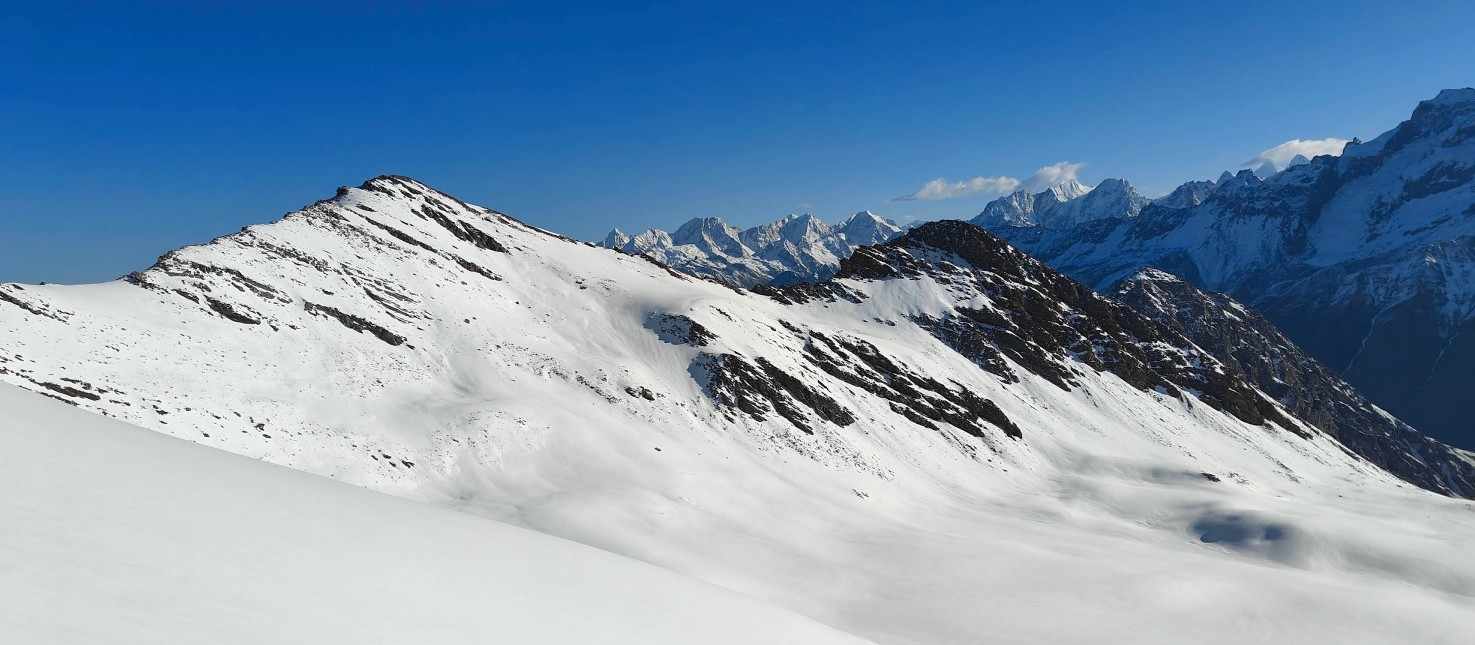
The trail challenges you with steep climbs, rocky paths, and narrow sections. But every step feels worth it when you see the deep blue lake surrounded by rugged mountains.
Why it stands out:
One of the most untouched alpine lakes in India
Stunning reflections of snow-covered peaks
Less crowded compared to popular treks
Best time to visit: May to June, September
Difficulty level: Difficult
If you want a trek that tests your limits and rewards you with pure Himalayan beauty, Kedartal delivers.
2. Valley of Flowers and Hemkund Sahib Trek
The Valley of Flowers National Park trek is famous for its colorful blooms, but it also leads you to the sacred Hemkund Sahib lake.
During summer, the valley starts waking up, and by July, it turns into a carpet of flowers. Hemkund Lake, located at over 4,300 meters, remains surrounded by snow for most of the year.
The trek offers a mix of spirituality and nature. You walk through forests, waterfalls, and open valleys before reaching the calm lake.
Why it stands out:
UNESCO World Heritage Site
Unique combination of flowers and a high-altitude lake
Moderate difficulty with well-defined trails
Best time to visit: June to September
Difficulty level: Moderate

3. Tarsar Marsar Lake Trek
The twin lakes of Tarsar Lake and Marsar Lake offer one of the most scenic treks in India.
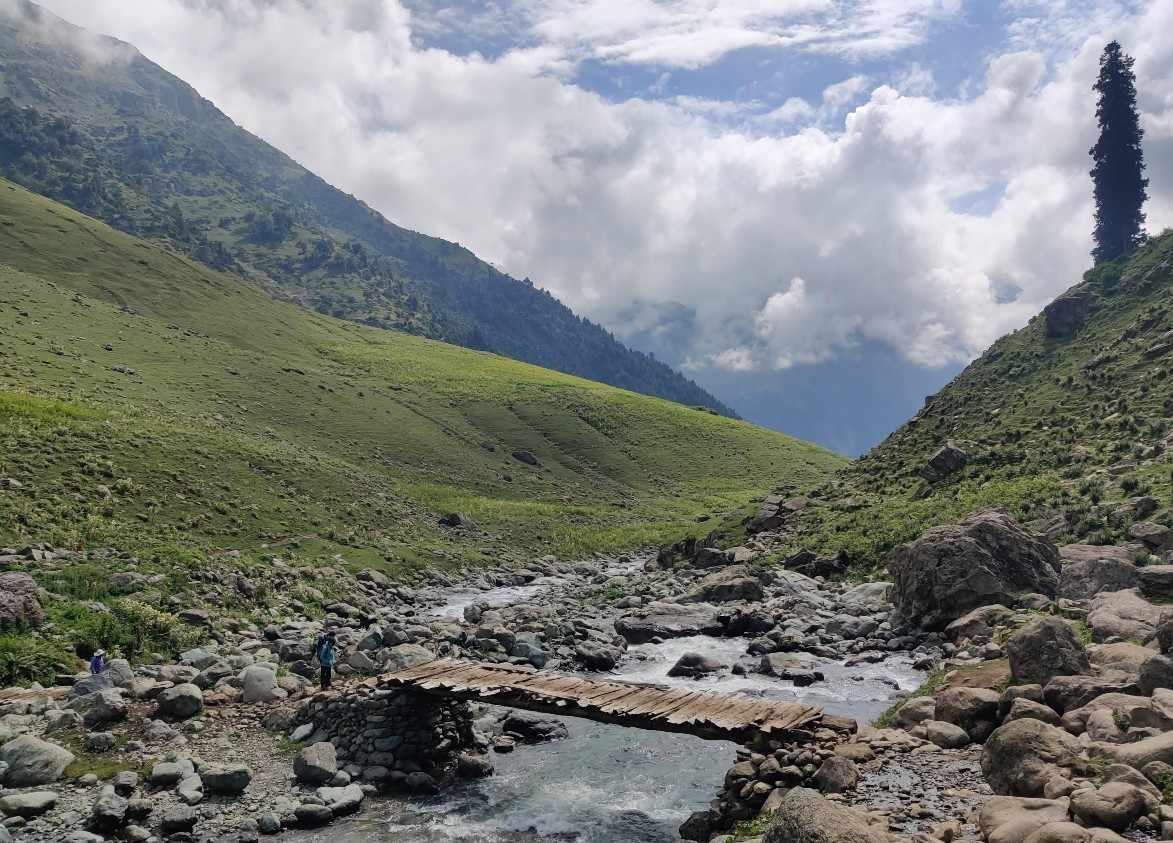
Set in the beautiful valleys of Kashmir, this trek feels like walking through a painting. You camp beside crystal-clear lakes and wake up to reflections of mountains.
The trail passes through lush meadows, pine forests, and small streams. It feels less harsh compared to high-altitude treks like Kedartal.
Why it stands out:
Picture-perfect campsites near lakes
Gentle landscapes and wide valleys
Ideal for photographers
Best time to visit: July to September
Difficulty level: Moderate
4. Chandratal Lake Trek
The crescent-shaped Chandratal Lake looks like something straight out of a dream.
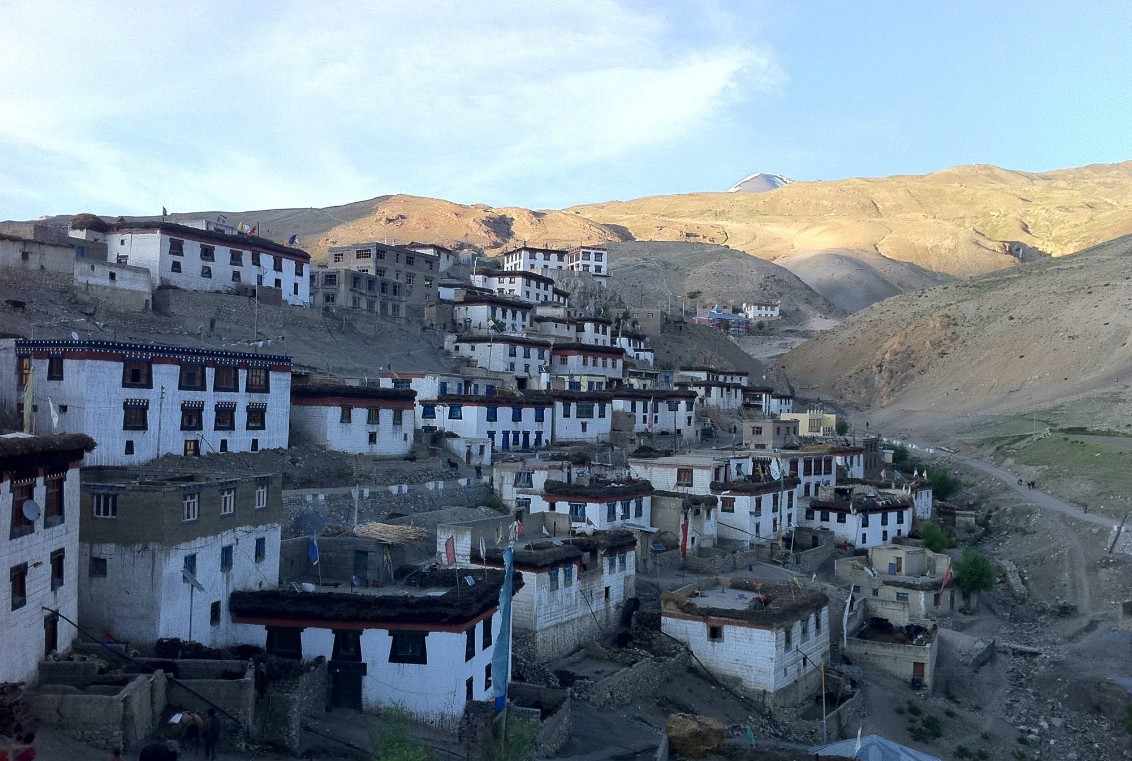
Located in the cold desert of Spiti Valley, this lake changes color throughout the day. Sometimes it appears blue, sometimes green, and sometimes even golden during sunset.
The trek itself is short, but the journey to reach Chandratal involves rough mountain roads and high-altitude conditions.
Why it stands out:
Unique cold desert landscape
Easy access compared to other high-altitude lakes
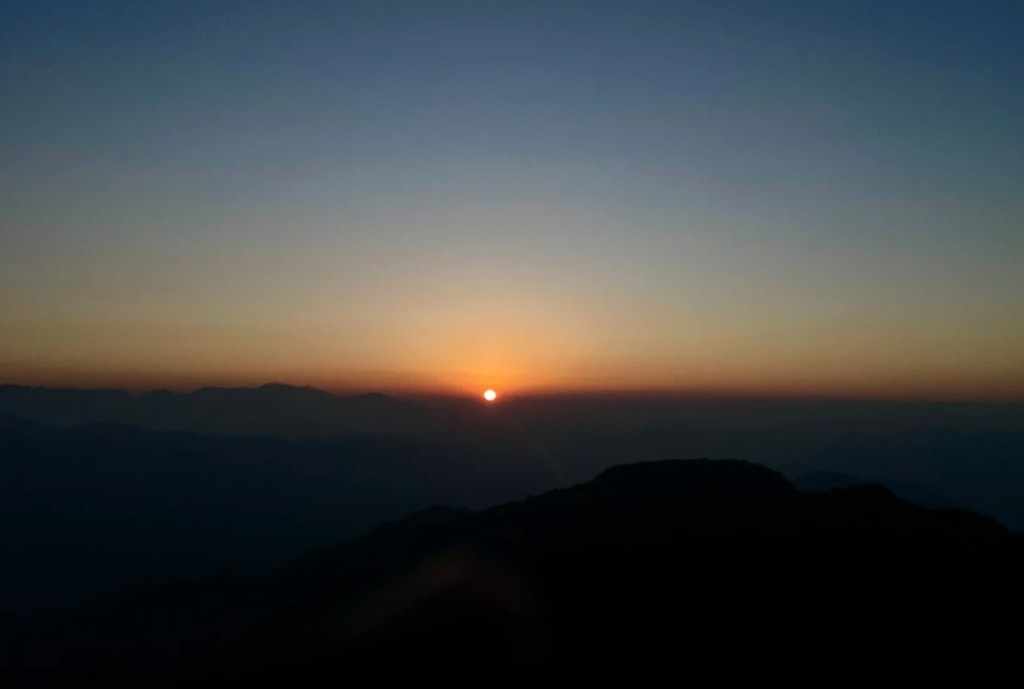
Stunning sunrise and sunset views
Best time to visit: June to September
Difficulty level: Easy to Moderate
5. Roopkund Lake Trek
The mysterious Roopkund Lake is often called the Skeleton Lake due to the human remains found here.
Set at around 5,000 meters, this trek combines mystery with breathtaking scenery. You pass through forests, alpine meadows like Bedni Bugyal, and snow-covered trails.
Even though authorities sometimes restrict access to Roopkund for conservation, nearby routes still offer incredible lake views and landscapes.
Why it stands out:
Unique historical mystery
Diverse terrain from forests to snowfields
High-altitude adventure
Best time to visit: May to June, September to October
Difficulty level: Moderate to Difficult

How to Choose the Right Lake Trek
Not every trek suits every traveler. You should choose based on your experience, fitness, and expectations.
Beginner: Chandratal
Moderate level: Tarsar Marsar, Valley of Flowers
Advanced trekkers: Kedartal, Roopkund
Always check altitude gain, weather conditions, and trail difficulty before planning.
Essential Tips for Summer Lake Treks
Even summer treks in the Himalayas demand respect. The mountains do not care about your Instagram plans.
1. Acclimatize properly
High altitude can cause sickness. Take rest days and hydrate well.
2. Pack smart
Carry layers, even in summer. Temperatures drop quickly after sunset.
3. Start early each day
Weather changes fast in the mountains. Early starts help you stay safe.
4. Follow local guidelines
Check permits and restrictions. For example, access to certain areas like Gangotri requires forest permissions.
5. Choose reliable sources
Refer to official tourism boards like Uttarakhand Tourism Development Board and Himachal Pradesh Tourism for updated information.
Final Thoughts
The best lake trek in India to visit in summer depends on what you seek. If you want peace and scenic beauty, Tarsar Marsar works well. If you want easy access, Chandratal fits perfectly.
But if you crave a real challenge and raw Himalayan energy, the Kedartal Lake Trek stands in a league of its own.
Each of these treks offers something unique. One gives you flowers, another gives you mystery, and another tests your limits. But all of them share one thing in common they remind you how small you are in front of nature.
And honestly, that is the best part of trekking.

Write a comment ...