
The Char Dham Yatra stands as one of the most sacred journeys in India. Every year, thousands of pilgrims travel into the high Himalayas to visit four holy shrines Yamunotri Temple, Gangotri Temple, Kedarnath Temple, and Badrinath Temple. These temples lie in the Garhwal region of Uttarakhand and represent faith, devotion, and a deep connection with nature.
For centuries, this pilgrimage has offered more than religious merit. It has given travelers a chance to walk through glaciers, rivers, forests, and ancient mountain villages. The journey tests your patience, builds resilience, and rewards you with unforgettable views and spiritual calm. Many pilgrims say the roads may be rough, but the experience stays smooth in the heart.
What Is the Char Dham Yatra?
The Char Dham in Uttarakhand refers to four sacred Hindu temples located in the Garhwal Himalayas. Each temple is dedicated to a different deity and holds deep mythological importance.
Yamunotri – Source of the Yamuna River, dedicated to Goddess Yamuna
Gangotri – Source of the Ganga River, dedicated to Goddess Ganga
Kedarnath – One of the twelve Jyotirlingas of Lord Shiva
Badrinath – Sacred temple of Lord Vishnu
Traditionally, pilgrims complete the journey in a clockwise direction. They start from Yamunotri, then move to Gangotri, followed by Kedarnath, and finally end at Badrinath. This sequence holds religious significance and has been followed for generations.
Mythological and Spiritual Significance
The Char Dham Yatra connects deeply with Hindu mythology and spiritual beliefs. Each temple represents a different aspect of divinity and nature.
Yamunotri marks the origin of the Yamuna River. According to legends, Goddess Yamuna protects her devotees from untimely death. Pilgrims cook rice and potatoes in the natural hot springs near the temple as a sacred offering.
Gangotri represents the descent of the holy Ganga to Earth. Mythology says King Bhagirath performed intense penance to bring the river down from heaven to purify the souls of his ancestors.
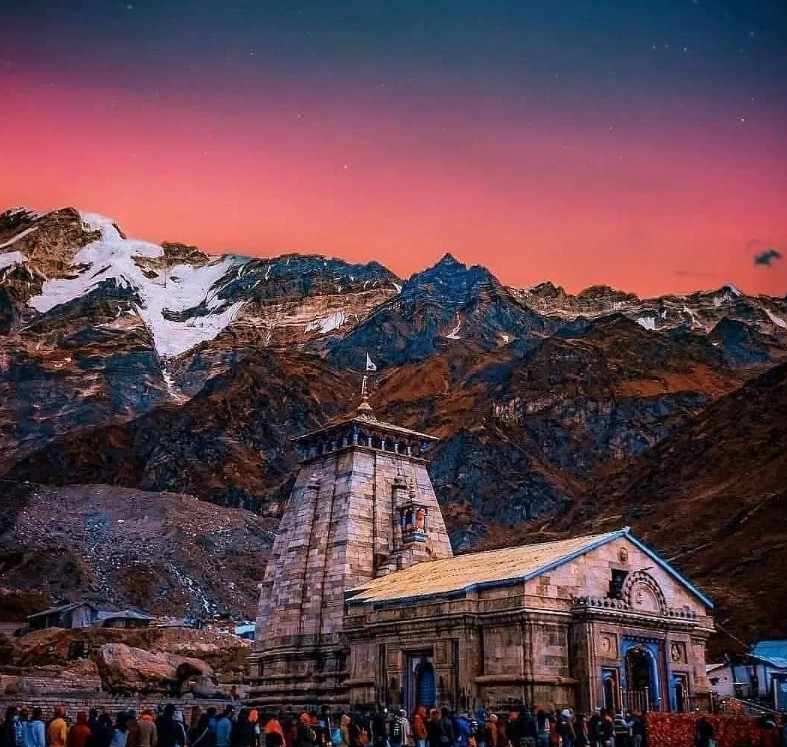
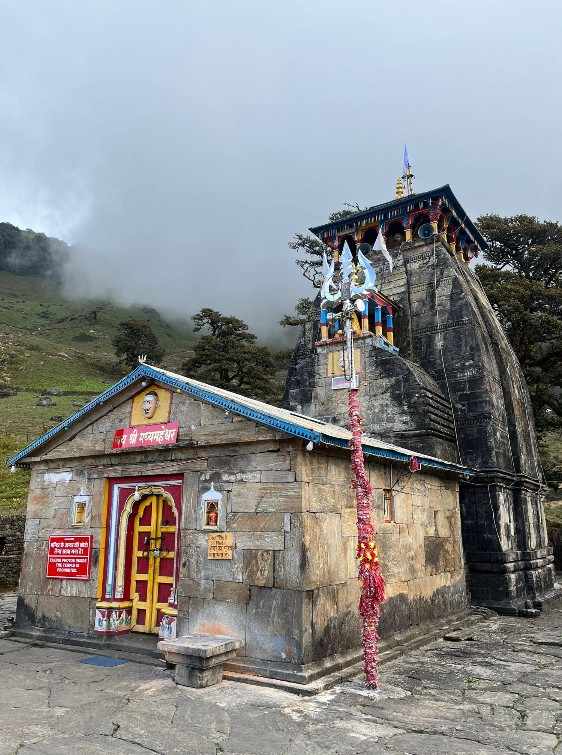
Kedarnath holds immense importance as one of the twelve Jyotirlingas of Lord Shiva. According to tradition, the Pandavas built this temple to seek forgiveness after the Kurukshetra war.
Badrinath, dedicated to Lord Vishnu, is believed to be the place where he meditated under the Badri tree. The temple sits along the banks of the Alaknanda River and attracts both pilgrims and spiritual seekers.
Best Time to Visit the Char Dham
The Char Dham temples open every year between late April and early May. They remain accessible until October or early November, depending on weather conditions.
The most popular months for the yatra include:
May to June – Pleasant weather and peak pilgrimage season
July to August – Monsoon season; landslides may affect travel
September to October – Clear skies, fewer crowds, and peaceful atmosphere
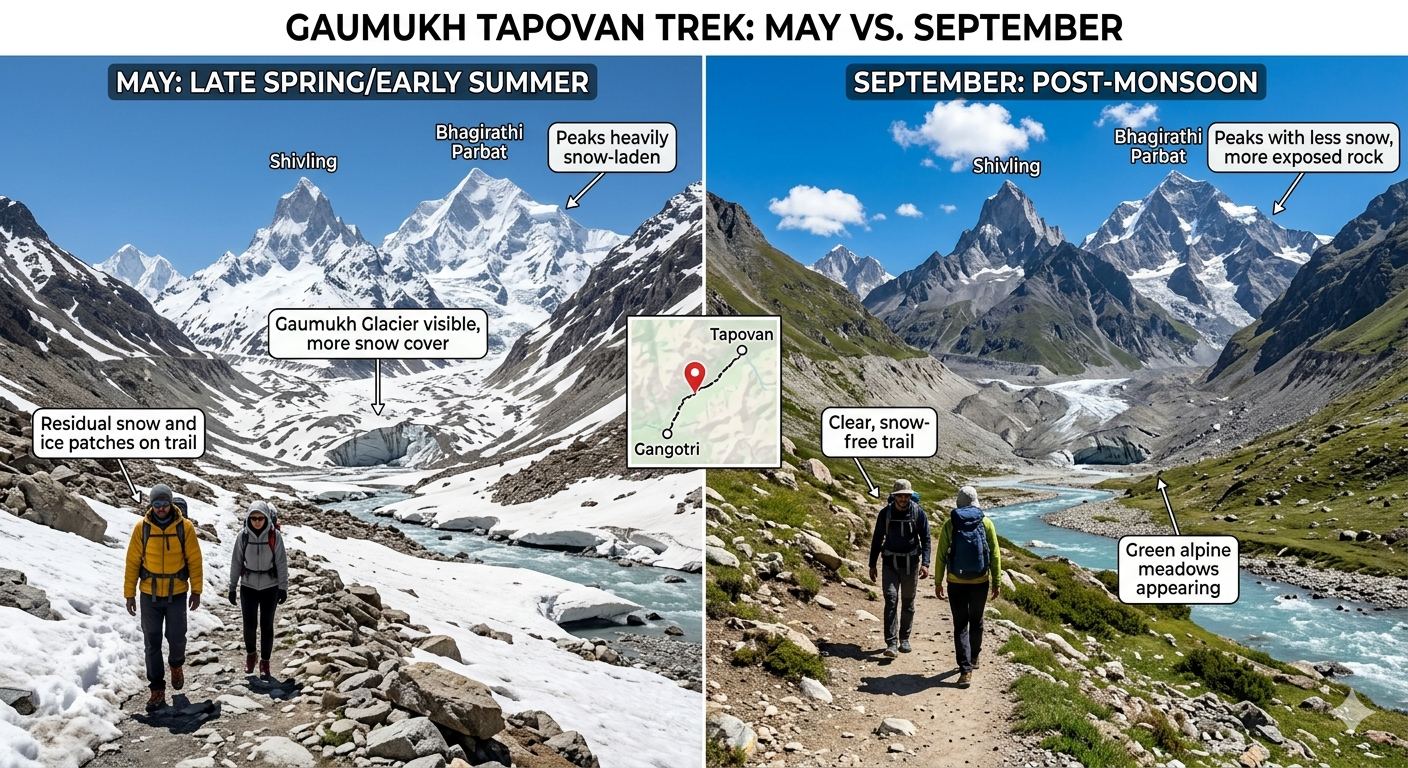
Travel experts often suggest the post-monsoon months for a quieter and safer journey. The mountains look fresh, rivers run strong, and the weather stays comfortable for both road travel and trekking.
Route and Travel Plan
Most pilgrims begin their journey from Haridwar or Rishikesh. These towns serve as the main gateways to the Char Dham circuit.
A common route looks like this:
Haridwar/Rishikesh to Yamunotri
Yamunotri to Gangotri
Gangotri to Kedarnath
Kedarnath to Badrinath
Return to Rishikesh or Haridwar
The full journey usually takes 9 to 12 days by road. Helicopter services also operate for those with limited time or physical constraints.
Trekking and Road Journey Experience
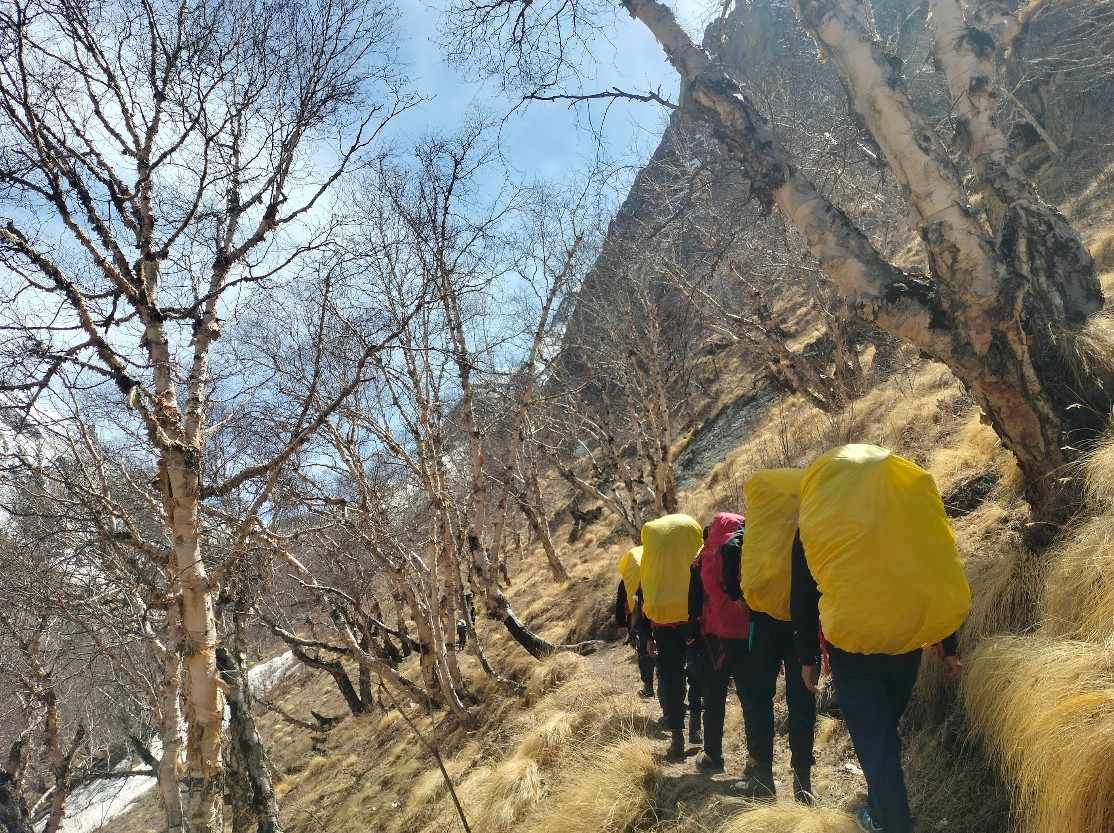
The Char Dham Yatra offers a mix of road trips and short treks. Yamunotri requires a trek of about 5 to 6 kilometers from Janki Chatti. Kedarnath involves a longer trek of around 16 to 18 kilometers from Gaurikund.
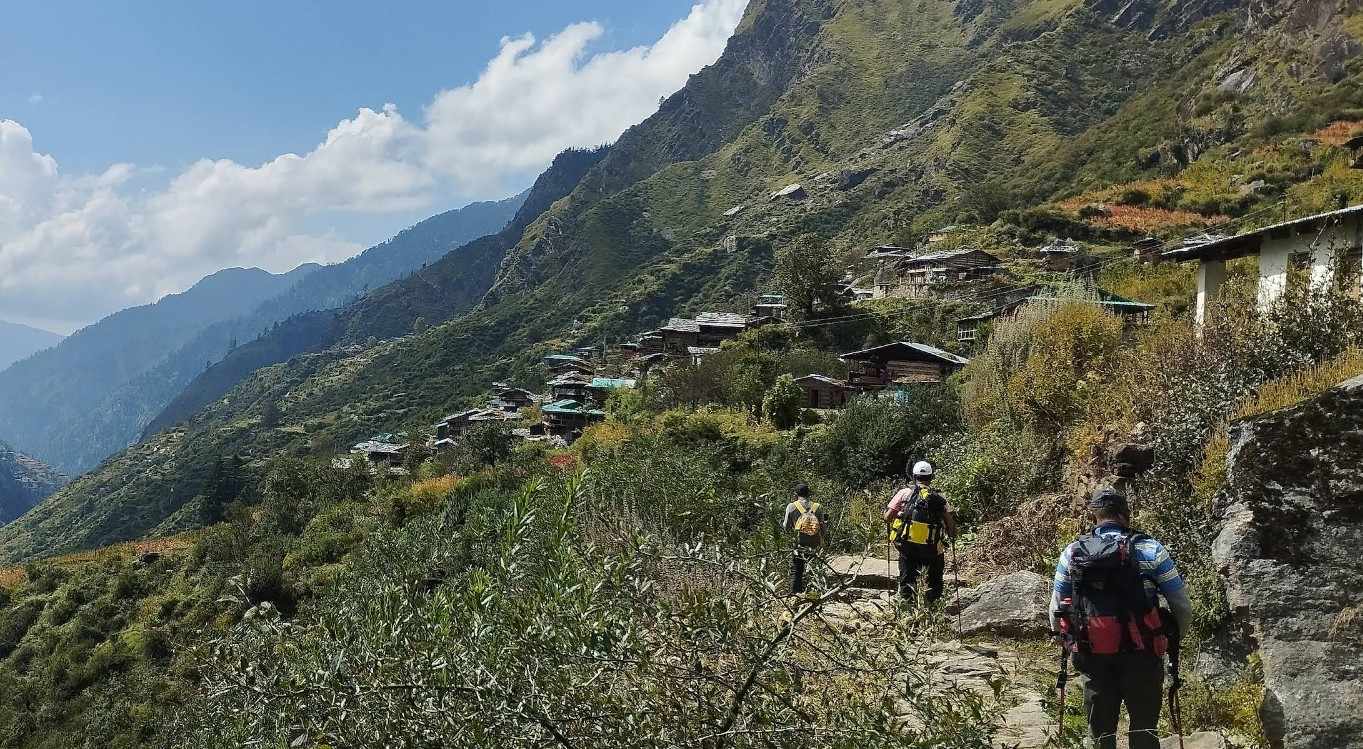
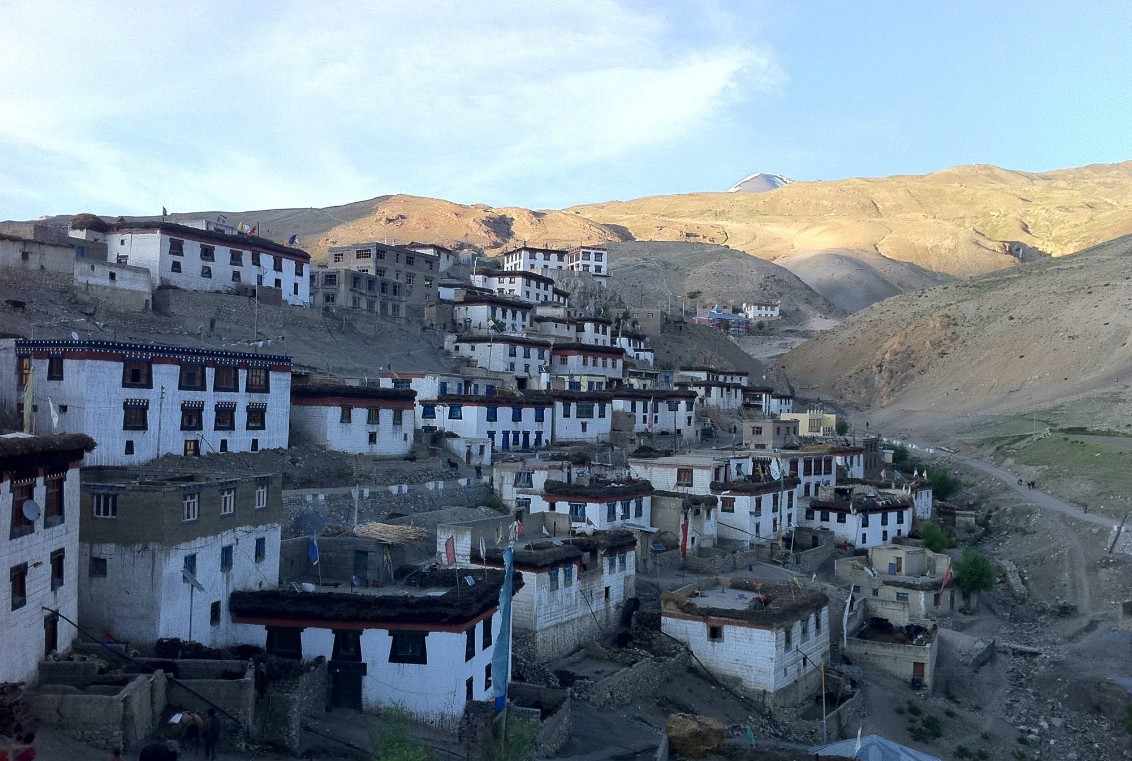
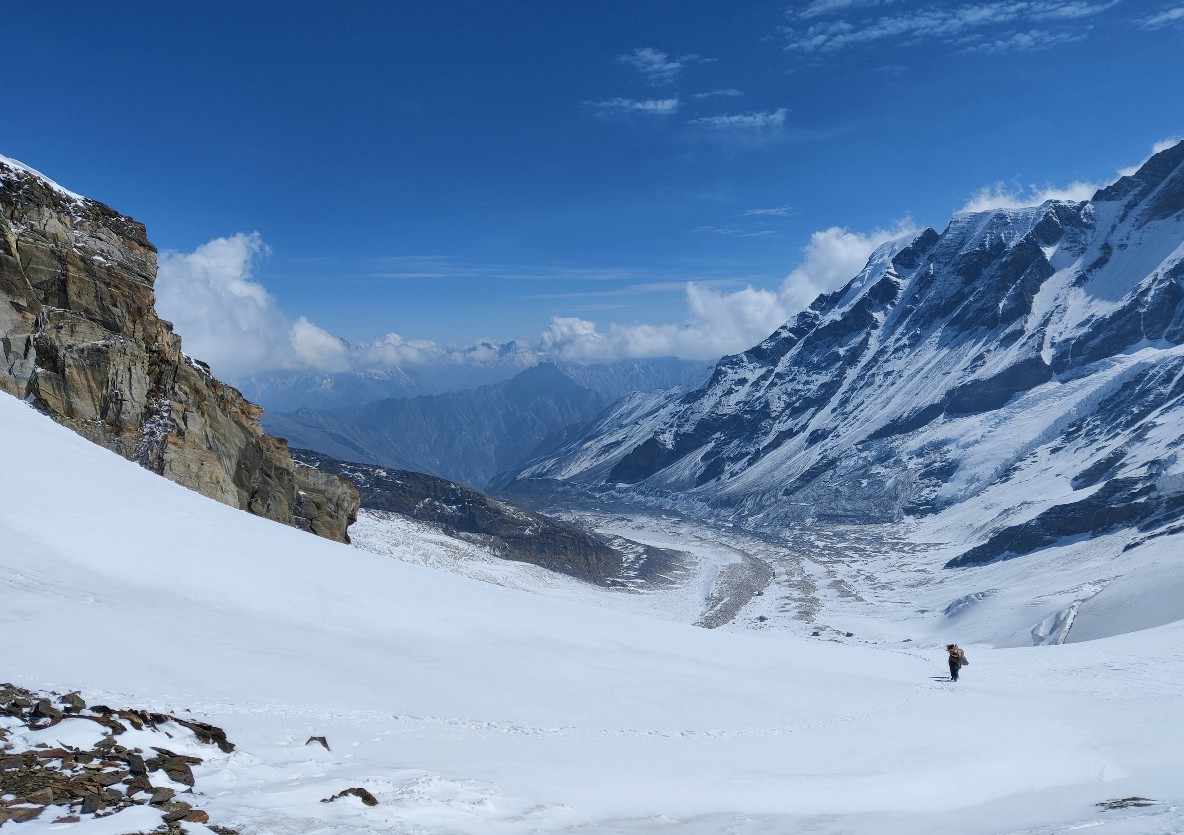
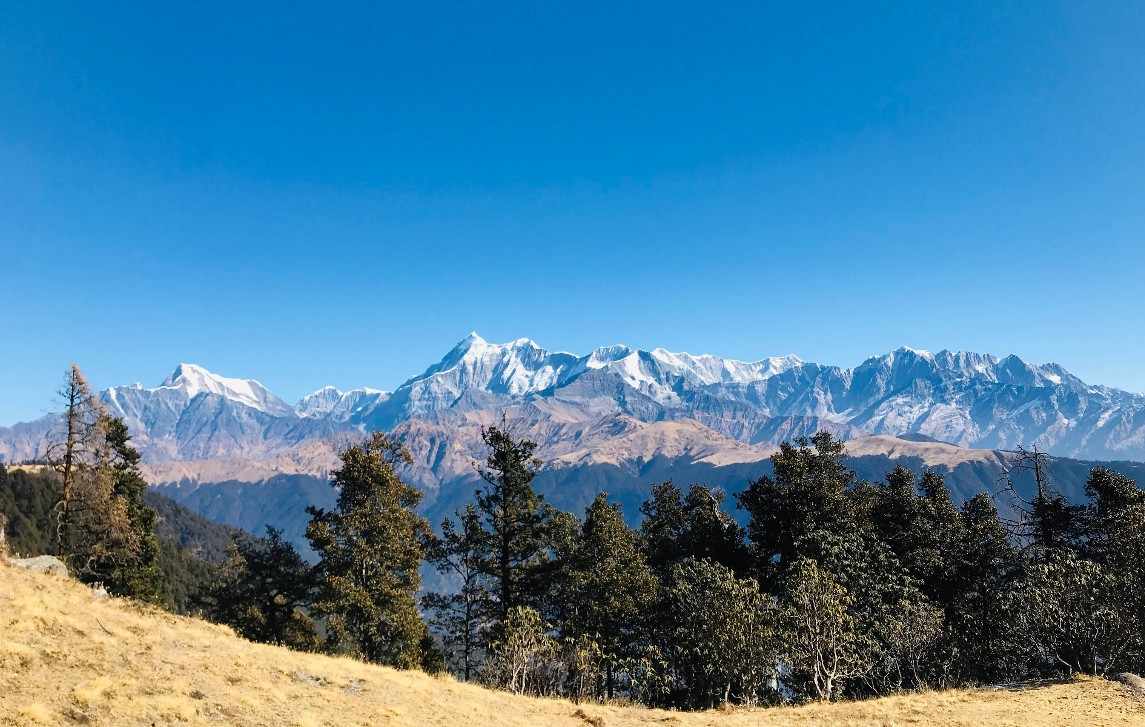
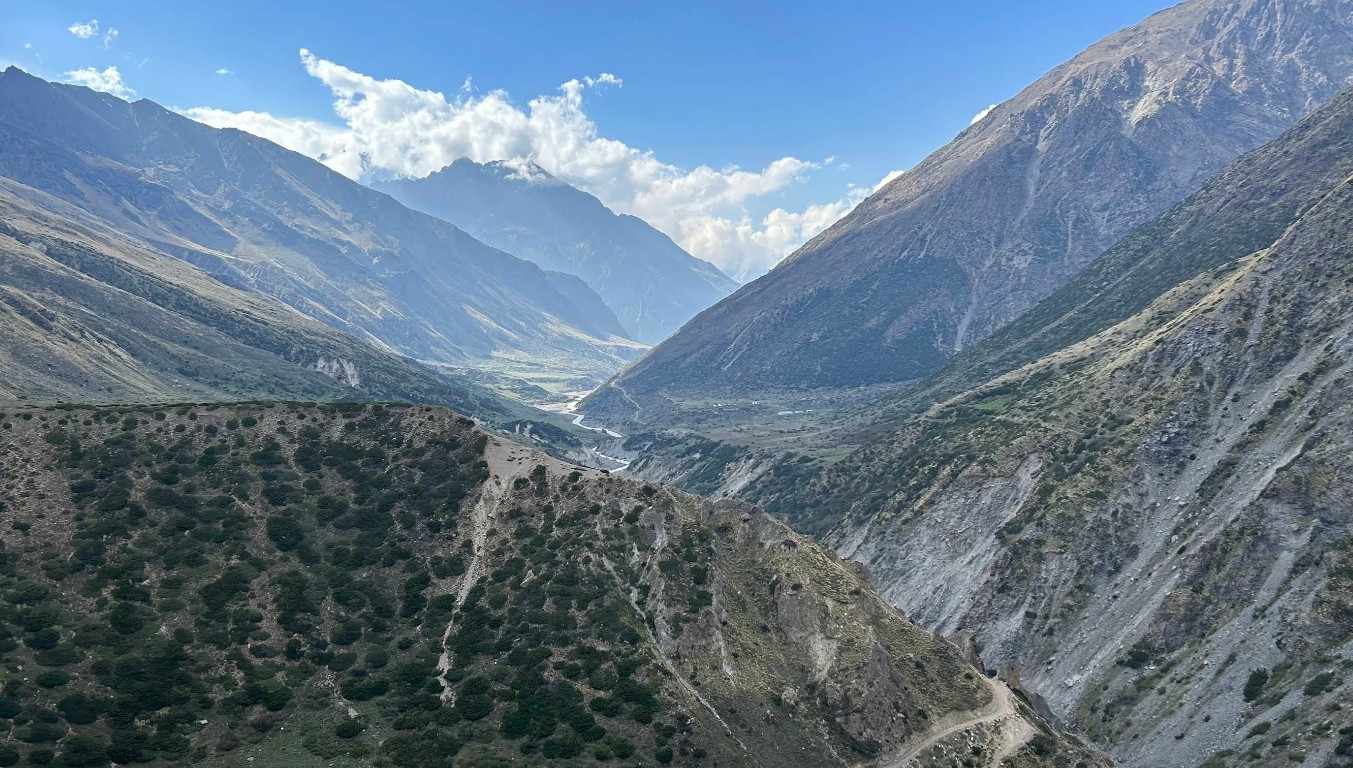
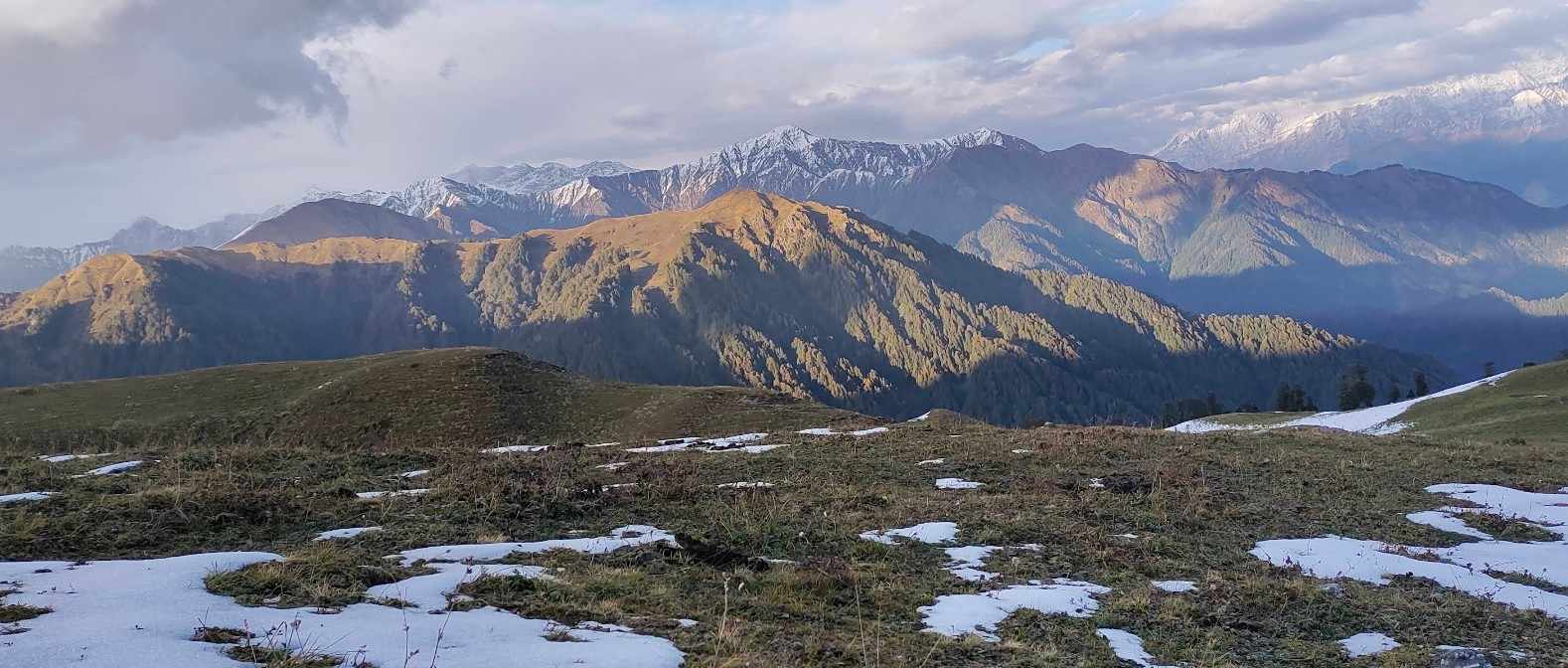
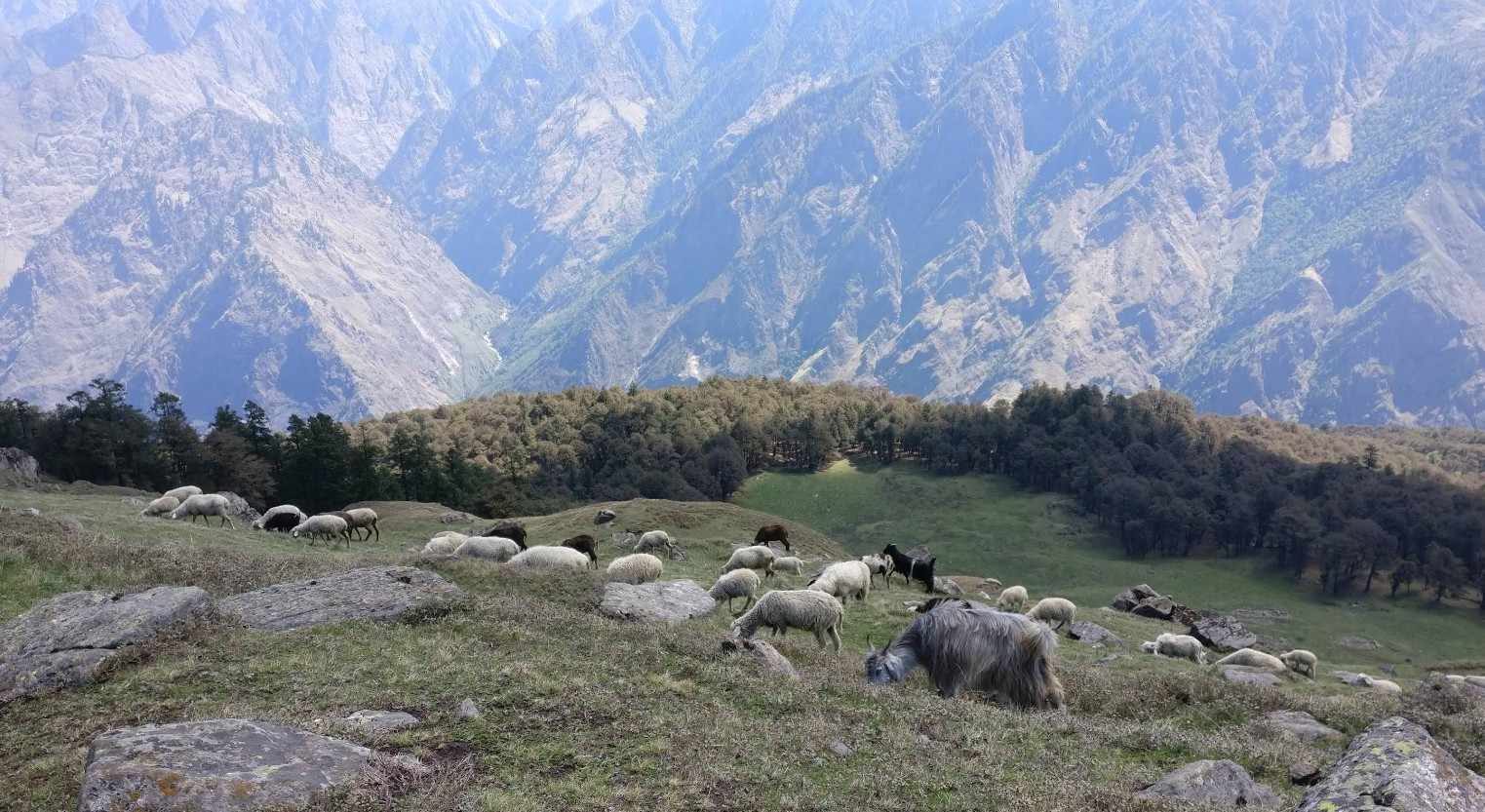
These routes pass through forests, rivers, and high mountain valleys. You may spot waterfalls, snow-covered peaks, and small tea stalls where locals serve hot chai. Sometimes, the climb feels tough, but a cup of mountain tea and a friendly smile from a fellow traveler can change your mood instantly.
Pilgrims who cannot trek often choose pony rides, palkis, or helicopter services. The yatra remains accessible to people of different ages and fitness levels.
Accommodation and Facilities
Over the years, facilities along the Char Dham route have improved significantly. Pilgrims now find:
Budget guesthouses and dharamshalas
Mid-range hotels in major towns
Government rest houses
Camps and lodges near trekking routes
Basic medical centers and registration checkpoints operate throughout the route. The Uttarakhand government also manages the yatra system to ensure safety and smooth travel.
Tips for a Safe and Comfortable Journey
A little preparation makes the Char Dham Yatra much easier and more enjoyable.
Essential tips:
Carry warm clothes, even in summer
Wear sturdy trekking shoes
Stay hydrated and eat light meals
Start treks early in the morning
Follow weather updates and travel advisories
Register for the yatra before starting the journey
Most importantly, respect the mountains. Avoid littering, follow local rules, and treat fellow pilgrims and locals with kindness.
Spiritual Experience Beyond the Temples
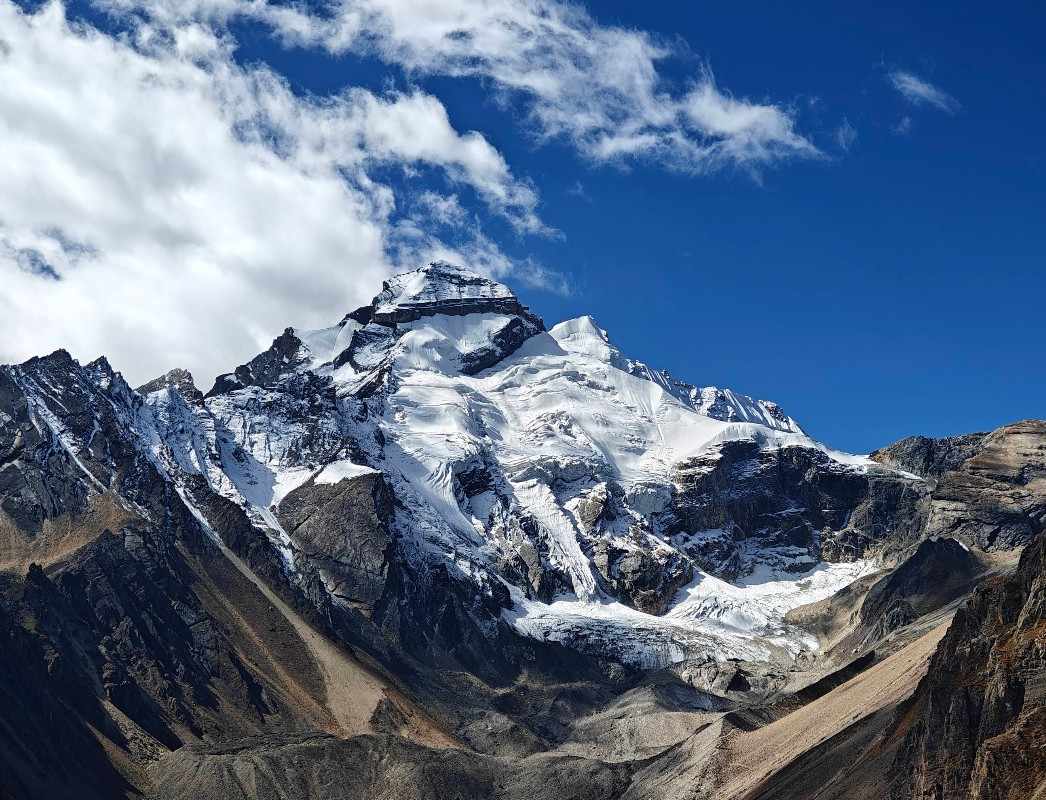
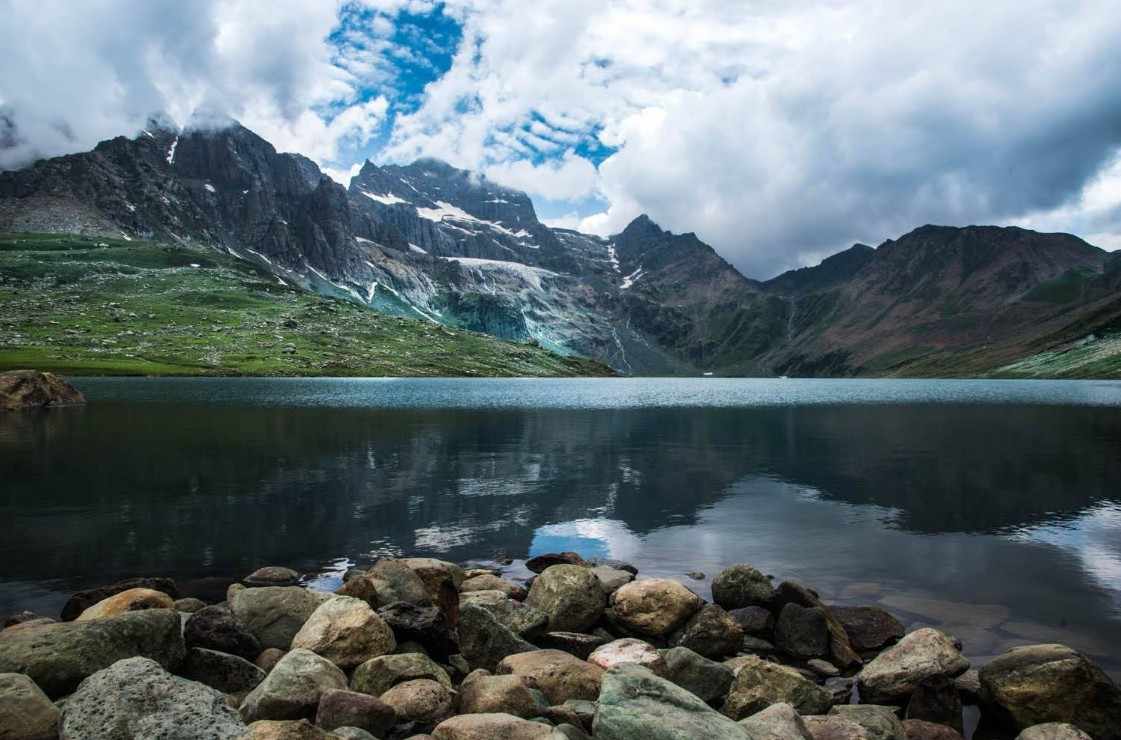
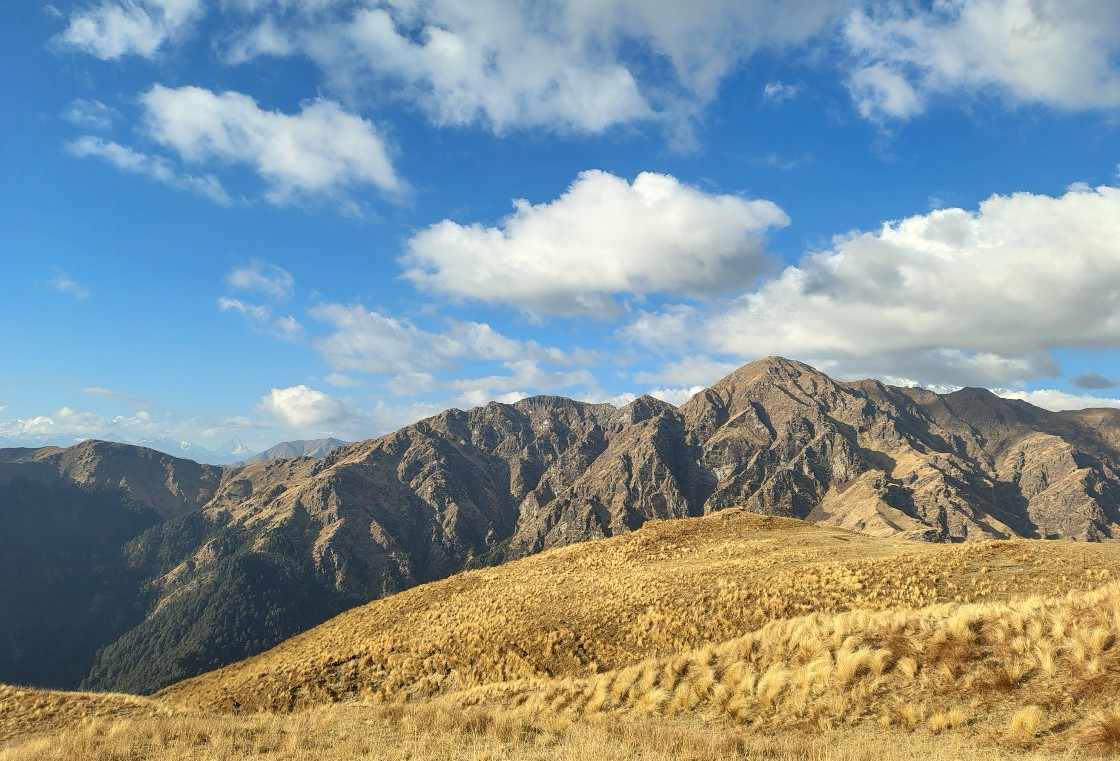
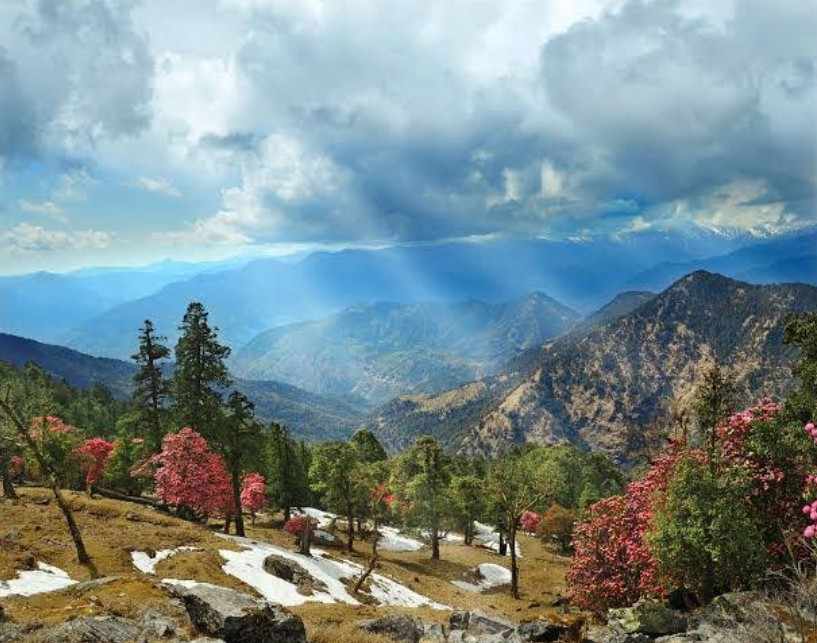
The Char Dham journey is not just about reaching the temples. The entire route carries spiritual energy. The sound of river currents, the smell of pine forests, and the sight of snow peaks create a peaceful environment.
Many travelers describe a quiet transformation during the journey. Mobile signals fade, busy schedules disappear, and the mind begins to slow down. You start noticing small things a prayer flag fluttering in the wind, a temple bell echoing across the valley, or the warmth of a simple meal after a long trek.
Some pilgrims arrive with heavy thoughts and leave with lighter hearts. The mountains have a way of reminding you what truly matters.
Environmental Responsibility During the Yatra
The Himalayan region remains ecologically fragile. Heavy tourist flow can affect the environment if not managed responsibly.
Pilgrims should:
Avoid plastic bottles and wrappers
Carry reusable water bottles
Use designated waste bins
Support eco-friendly accommodations
Respect wildlife and local culture
Responsible travel ensures that the sacred landscapes remain pure for future generations.
Why the Char Dham Yatra Still Matters Today
In a fast-paced digital world, the Char Dham journey offers something rare silence, simplicity, and spiritual reflection. It reminds people that some journeys require patience, effort, and faith.
The pilgrimage also supports local communities. Small businesses, transport services, guides, and homestays depend heavily on the yatra season. Responsible tourism helps sustain these mountain economies.
Whether you travel for religious reasons or for the Himalayan experience, the Char Dham Yatra leaves a lasting impression. The temples offer blessings, but the journey itself teaches humility, endurance, and gratitude.
Final Thoughts on the Spiritual Journey to Char Dham Temple in Uttarakhand
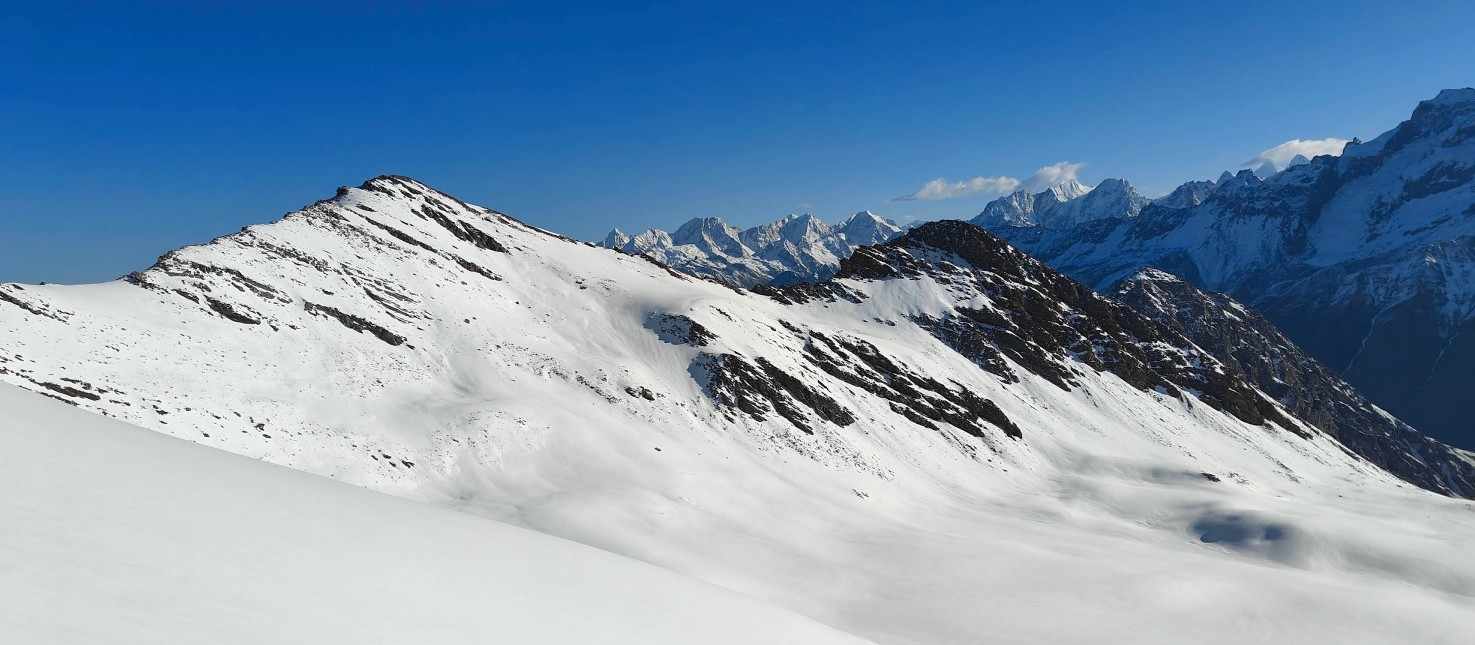
The Char Dham Yatra is not just a trip across four destinations. It is a journey through faith, nature, and self-discovery. From the hot springs of Yamunotri to the icy peaks around Kedarnath, every stop carries its own story and spiritual charm.
The roads may twist, the climbs may test your strength, and the weather may surprise you. Yet, the peace you feel at the temple doors makes every step worthwhile. In the end, the Char Dham journey is less about the distance covered and more about the transformation within.


Write a comment ...