
The trek to Kanamo Peak is not only about reaching a high Himalayan summit. The journey also introduces trekkers to some of the most fascinating high altitude villages in India. These settlements reflect a unique culture shaped by harsh weather, remote geography, and centuries old traditions.
Located in the cold desert region of Spiti Valley in Himachal Pradesh, the route to Kanamo Peak passes through traditional villages where life still moves at a slower and simpler pace. Among them, two places stand out the most: Kibber and Losar.
These villages are not just stopovers during the trek. They offer insight into Himalayan culture, stunning landscapes, and a rare opportunity to experience authentic mountain life.
In this article, we will explore why Kibber and Losar deserve special attention when planning the Kanamo Peak trek.
Understanding the Route to Kanamo Peak
The trek to Kanamo Peak usually begins from Kaza, the main administrative town of Spiti Valley. From Kaza, trekkers travel to Kibber village, which serves as the base village for the Kanamo summit climb.
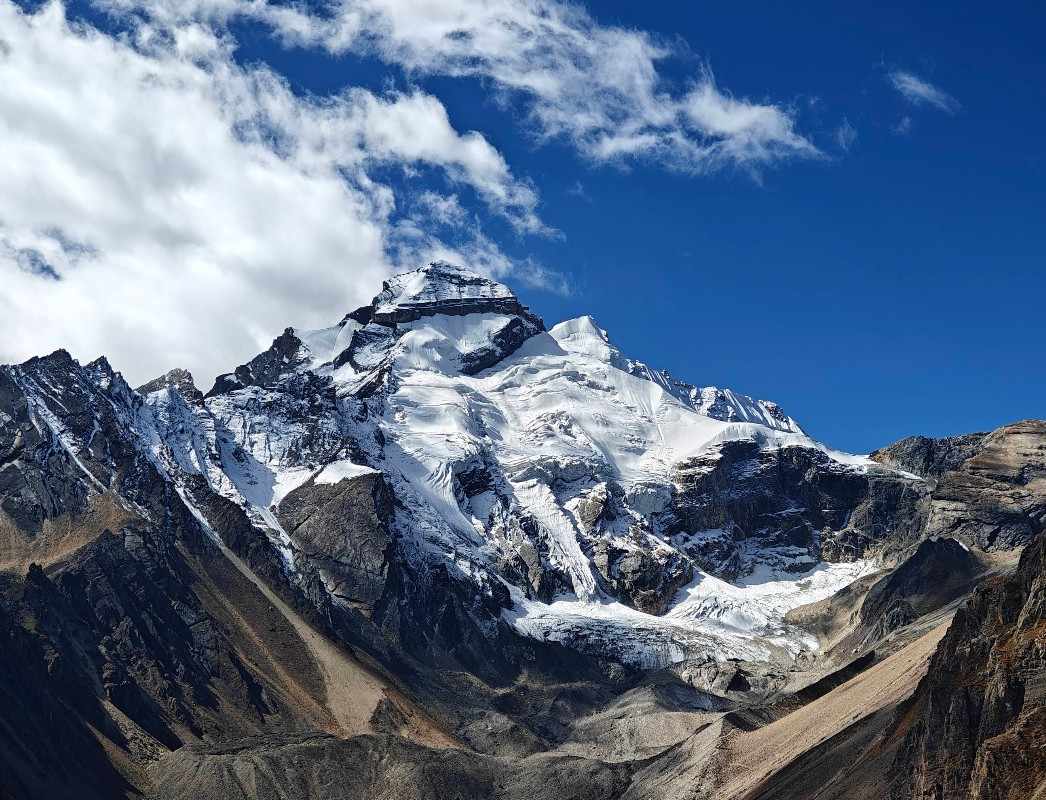
Standing at an elevation of around 5,974 meters, Kanamo Peak is considered one of the most accessible high altitude trekking peaks in India. The route does not require technical climbing skills, but it demands good fitness and proper acclimatization.
Trekkers typically spend time in nearby villages like Kibber and sometimes visit Losar while exploring the region. These villages help trekkers adjust to altitude while also providing a glimpse into local life in one of the most remote parts of the Himalayas.
Kibber Village: The Gateway to Kanamo Peak
Kibber is one of the highest inhabited villages in the world connected by a motorable road. Located at an altitude of about 4,270 meters, it serves as the primary base for the Kanamo Peak trek.
A Village Surrounded by Dramatic Landscapes
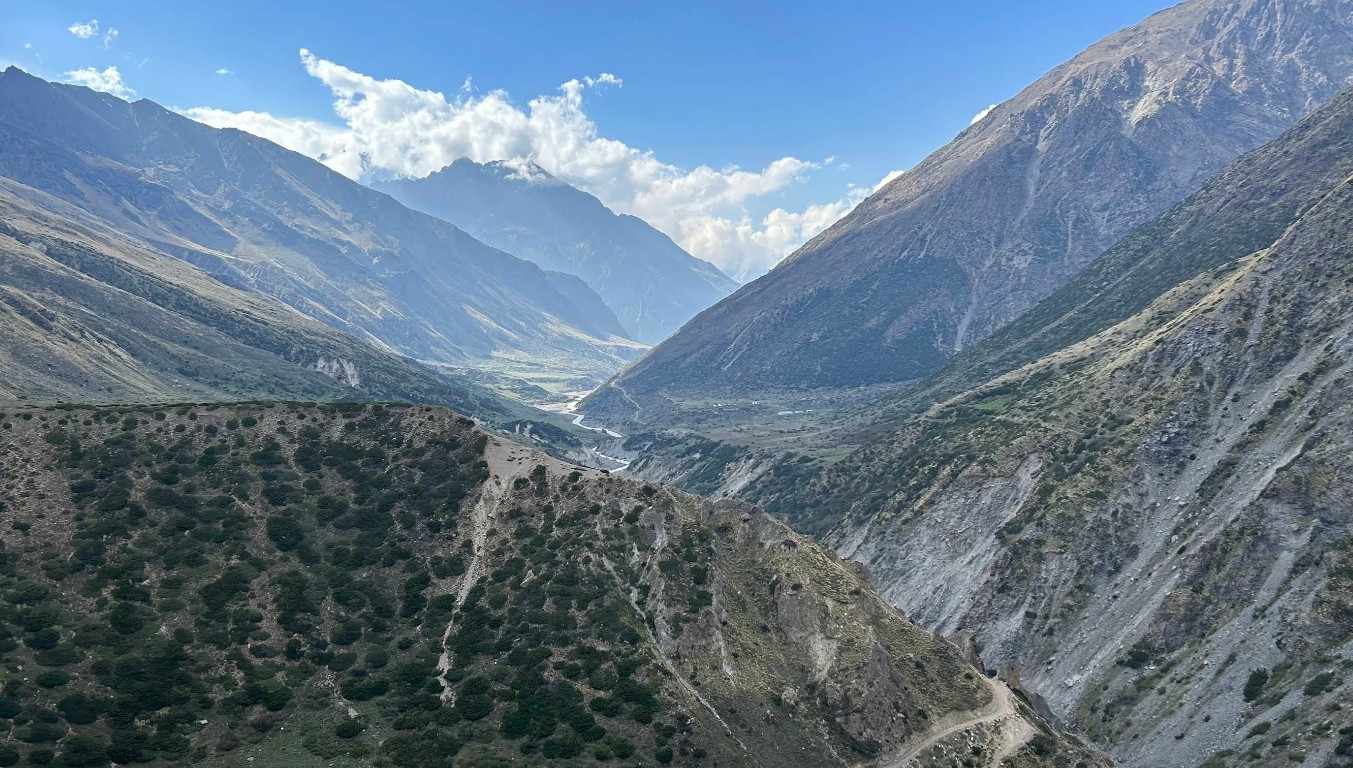
Kibber sits on a wide plateau overlooking rugged mountains and deep valleys. The barren terrain around the village reflects the cold desert environment of Spiti. Unlike the green Himalayan valleys found in Uttarakhand, this region presents a raw and dramatic beauty.
Trekkers often spend a day here for acclimatization before starting the climb toward Kanamo Peak. The thin air at this altitude reminds everyone that patience matters more than speed in high altitude trekking.
Unique Architecture and Lifestyle
The houses in Kibber follow traditional Tibetan influenced architecture. Most homes use stone and mud walls with flat roofs designed to withstand harsh winters. During winter, temperatures often drop far below freezing, so the design focuses on insulation and practicality.
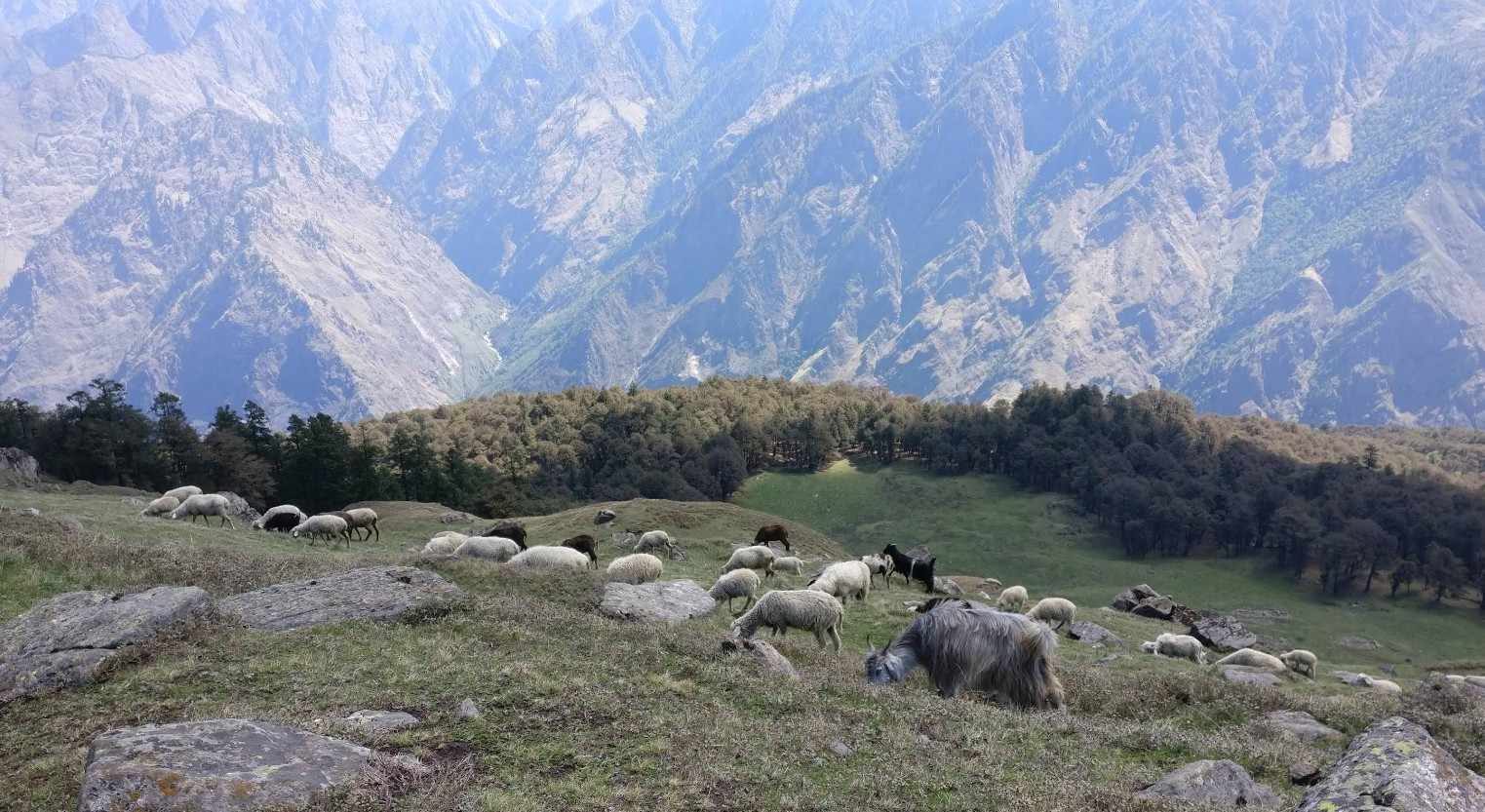
Locals depend mainly on farming and livestock. Barley and peas grow during the short summer season. Yaks and sheep play a major role in daily life, providing milk, wool, and transport.
Visitors quickly notice how closely the villagers live with nature. Life here follows the rhythm of seasons rather than city schedules.
Wildlife and the Kibber Sanctuary
Kibber lies near the famous Kibber Wildlife Sanctuary. This sanctuary is known for its rare Himalayan wildlife.
According to the Himachal Pradesh Forest Department, the region supports species such as:
Snow leopard
Himalayan ibex
Blue sheep (bharal)
Red fox
While spotting a snow leopard requires incredible luck, trekkers often see herds of blue sheep on the surrounding slopes.
Why Kibber Is Important for the Kanamo Peak Trek
Kibber plays a critical role in the Kanamo trek for several practical reasons.
Perfect Acclimatization Location
At more than 4,000 meters, Kibber allows trekkers to adjust gradually to the altitude. Spending a day here significantly reduces the risk of altitude related problems.
Experienced trek leaders often recommend short acclimatization walks around the village before heading toward base camp.
Cultural Experience Before the Climb
Many trekkers arrive in Spiti only for the mountains. However, spending time in Kibber reveals the cultural richness of the region.
Visitors can explore monasteries, interact with locals, and learn about traditional Himalayan lifestyles that remain largely unchanged for generations.
Stunning Views of Spiti Landscapes
From the edges of Kibber village, the views stretch across wide valleys and snow covered peaks. Sunrises and sunsets here often paint the mountains in shades of gold and orange.
It becomes clear why photographers and trekkers consider this village one of the most scenic places in Spiti Valley.
Losar Village: The Quiet Himalayan Settlement
Another remarkable village worth visiting during the Kanamo Peak journey is Losar. Located at about 4,085 meters, Losar sits close to the entrance of the famous Kunzum Pass.
Compared to Kibber, Losar feels quieter and more isolated. Yet that peaceful atmosphere makes it equally fascinating for travelers exploring the Spiti region.

First Village of Spiti from Manali Side
Losar serves as the first village of Spiti Valley when entering from the Manali side through Kunzum Pass.
Travelers coming from Manali often stop here for rest and acclimatization before continuing toward Kaza. The village offers small homestays, local food, and a warm welcome from residents accustomed to hosting trekkers and bikers.
Traditional Spitian Culture
Losar represents traditional Spitian culture in its purest form. The village remains small, and modern development has not significantly changed its character.
Whitewashed houses with prayer flags decorate the settlement. Small Buddhist shrines and mani walls reflect the influence of Tibetan Buddhism across the region.
Many villagers still follow agriculture and livestock rearing as their primary livelihood.
Beautiful Landscapes Around Losar
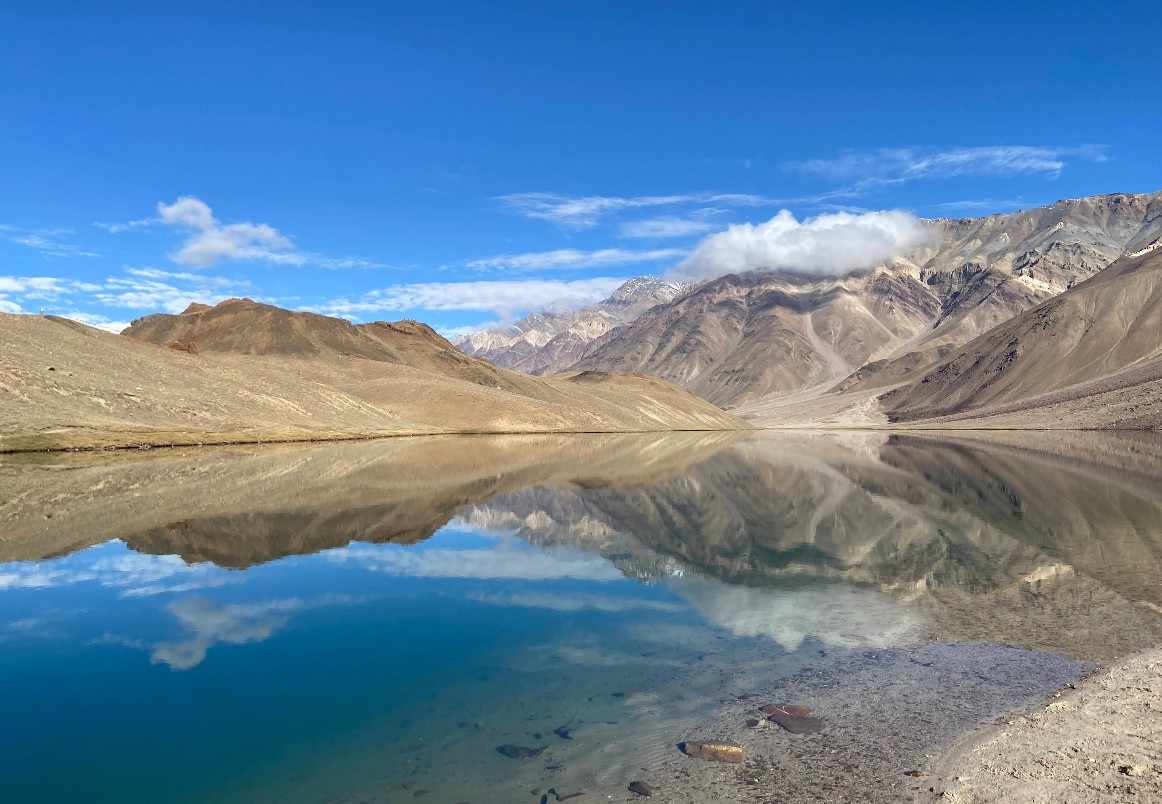
Losar lies in a wide valley surrounded by rugged mountains and glacier fed streams. The barren hills change colors throughout the day depending on sunlight and shadows.
During summer, small patches of green fields appear around the village. These brief bursts of vegetation contrast beautifully with the otherwise dry landscape of Spiti.
For trekkers, this scenery provides a perfect introduction to the unique environment of the cold desert Himalayas.
Why Trekkers Should Visit Losar
Although Losar does not sit directly on the Kanamo summit route like Kibber, it offers several reasons worth including in your itinerary.
Excellent Acclimatization Stop
The altitude of Losar makes it another good acclimatization point for travelers entering Spiti from Manali.
Spending a night here helps the body adjust gradually before moving to higher villages like Kibber.
Authentic Local Hospitality
Many trekkers appreciate the simple homestays in Losar. Hosts often serve traditional dishes such as barley bread, thukpa, and butter tea.
These meals may feel unusual at first, but they provide warmth and energy in the cold Himalayan climate.
Gateway to High Mountain Passes
Losar sits near Kunzum Pass, one of the most important mountain passes in Himachal Pradesh. The pass connects Spiti Valley with Lahaul Valley and offers spectacular views of glaciers and high peaks.
Trekkers and road travelers often stop here to visit the small Kunzum Mata temple before continuing their journey.
Comparing Kibber and Losar
Although both villages lie within Spiti Valley, they offer slightly different experiences for travelers.
Kibber
Main base village for Kanamo Peak trek
Higher altitude settlement
Access to wildlife sanctuary
Popular among trekkers and photographers
Losar
Entry village from Manali side
Quieter and less crowded
Strong traditional village atmosphere
Close to Kunzum Pass
Visiting both places helps travelers understand the diversity of life across Spiti Valley.
Best Time to Visit These Villages During Kanamo Trek
The trekking season for Kanamo Peak usually runs from late June to September.
During this period:
Roads to Spiti remain open
Weather stays relatively stable
Villages become more active with travelers
July and August often bring slightly warmer days, while September provides clearer skies and excellent mountain views.
However, temperatures remain cold even in summer. Nights frequently drop close to freezing at these altitudes.
Responsible Travel in Himalayan Villages
Villages like Kibber and Losar survive in fragile environments. Tourism helps local economies, but visitors should always travel responsibly.
Here are a few simple guidelines:
Respect local customs and traditions
Avoid littering or plastic waste
Support homestays and local businesses
Use water carefully because resources remain limited
Responsible travel ensures these beautiful villages continue to thrive for future trekkers.
Final Thoughts
The journey to Kanamo Peak offers far more than a summit experience. The villages along the route create memories just as powerful as the mountain itself.
Kibber introduces trekkers to dramatic landscapes, unique wildlife, and the starting point of the climb. Meanwhile, Losar offers a peaceful glimpse into traditional Spitian life near the high mountain passes.
Together, these villages reveal the cultural heart of Spiti Valley. They remind trekkers that the Himalayas are not only about peaks and trails. They are also about the resilient communities who call these mountains home.
For anyone planning the Kanamo Peak trek, taking time to explore Kibber and Losar turns the adventure into a richer and more meaningful Himalayan journey.



Write a comment ...