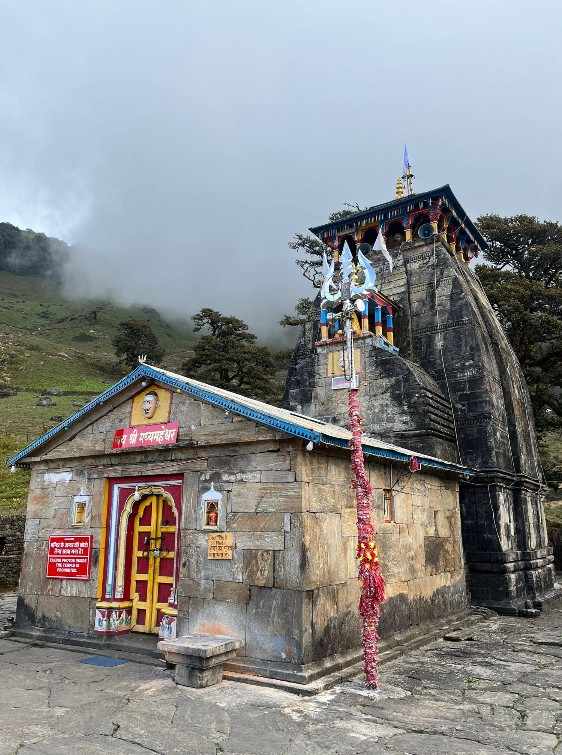
Madmaheshwar is not the kind of place you visit casually. Tucked deep in the Garhwal Himalayas of Uttarakhand, this sacred destination rewards patience, faith, and physical effort. The temple of Madmaheshwar, dedicated to Lord Shiva, sits at an altitude of around 3,497 meters and remains inaccessible for most of the year due to harsh weather conditions.
Choosing the best time to visit Madmaheshwar is not just about comfort. It directly affects safety, accessibility, and the overall experience. Weather in the higher Himalayas changes fast, and one wrong season can turn a spiritual journey into a risky adventure. This guide breaks down every season clearly so you can plan with confidence, not guesswork.
Understanding Madmaheshwar’s Climate Before Planning
Madmaheshwar follows a classic high-altitude Himalayan climate. Summers stay cool, winters remain extreme, and monsoon months bring unpredictable rainfall. The temple opens only for a limited window every year, usually between late spring and early autumn, depending on snowfall conditions.
Because the region lies above the tree line in parts, even slight weather changes feel intense. Nights drop sharply in temperature, and walking routes depend heavily on trail conditions. This makes timing your visit essential rather than optional.
Best Overall Time to Visit Madmaheshwar
The best time to visit Madmaheshwar is from May to June and October to November.
These months offer:
Stable weather
Open trekking routes
Clear mountain views
Safer walking conditions
Both pilgrims and trekkers prefer these periods because they balance accessibility with comfort. Let us break each season down to help you choose what fits your travel style.
Visiting Madmaheshwar in Summer (May to June)
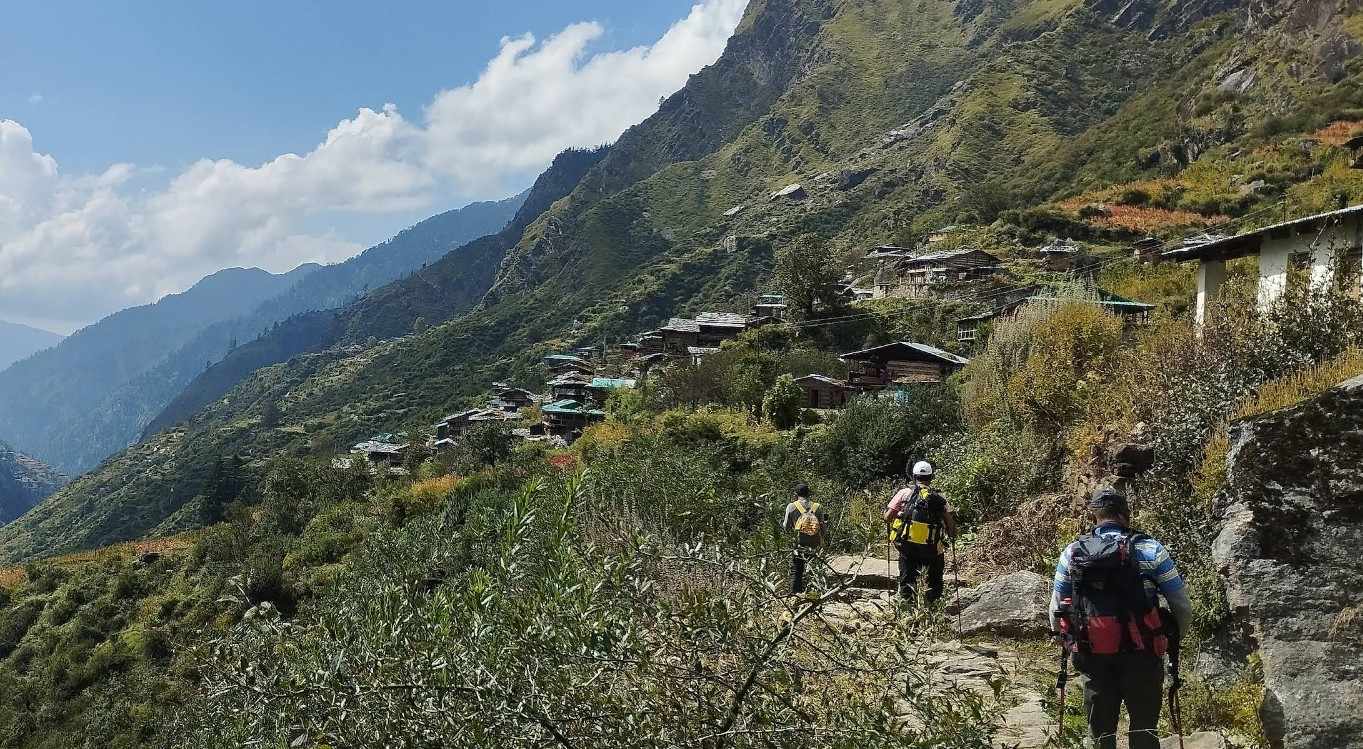
Summer marks the official opening of the Madmaheshwar temple after winter closure. Snow begins to melt, and the pilgrimage season slowly comes alive.
Weather Conditions in Summer
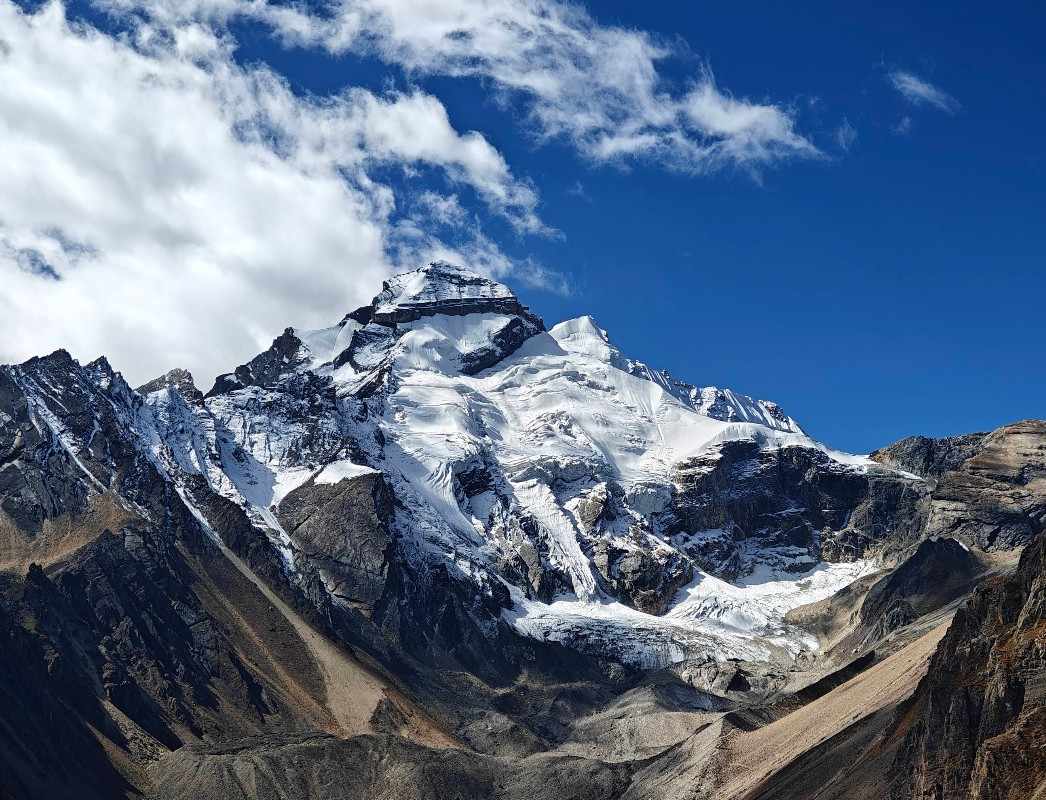
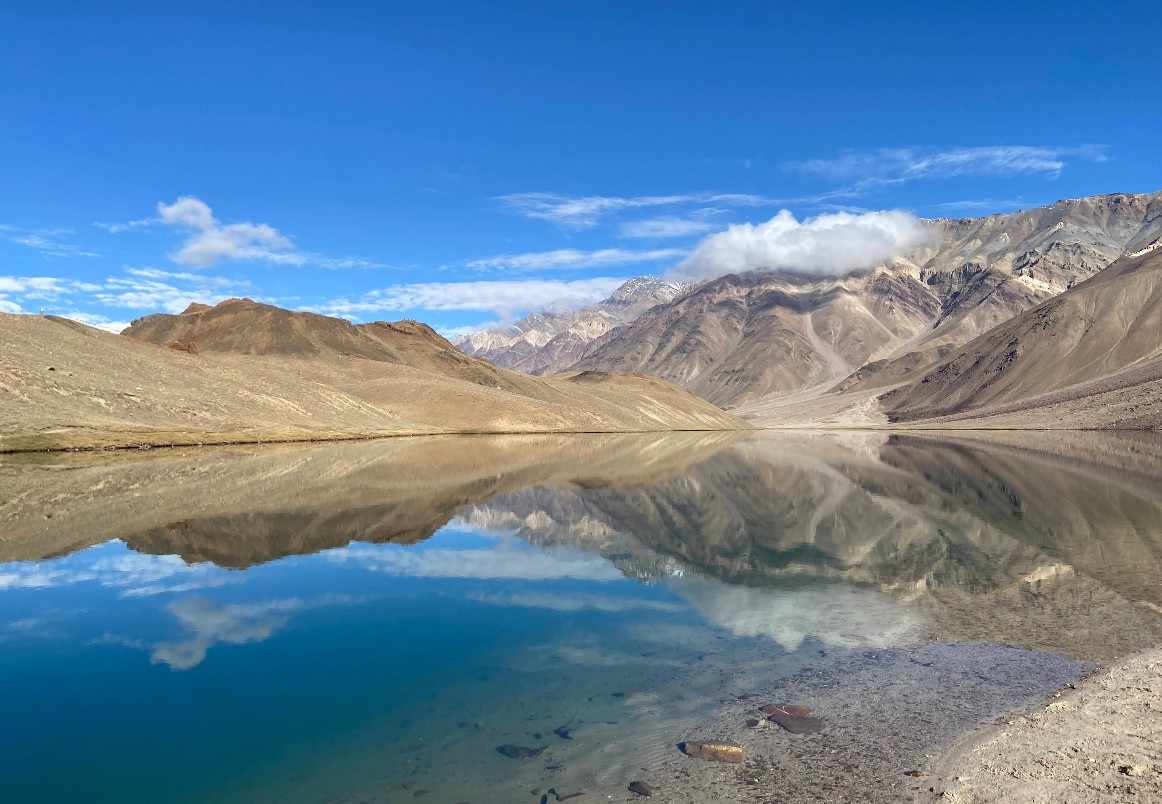
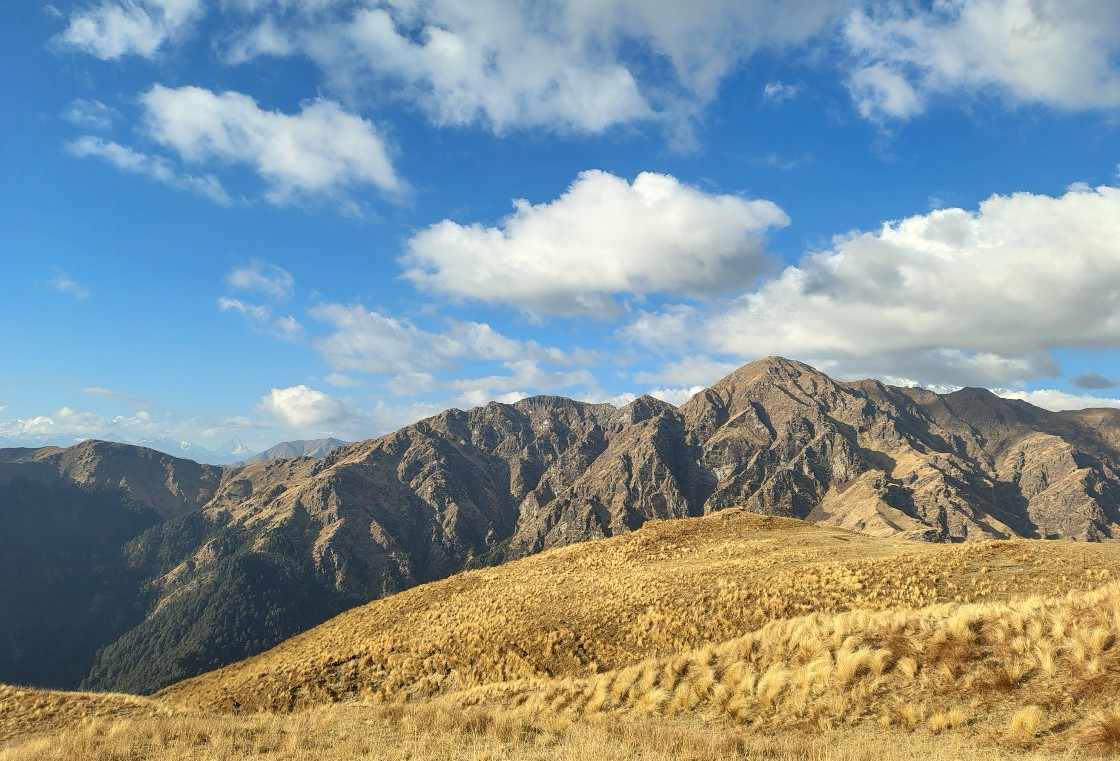
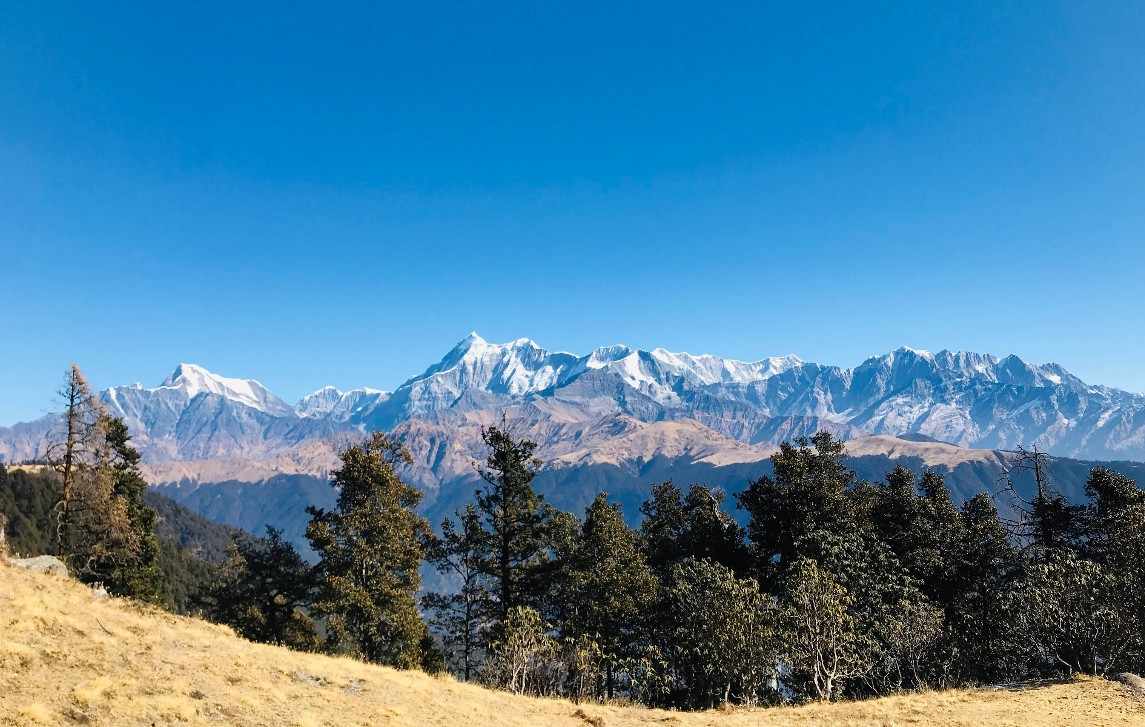
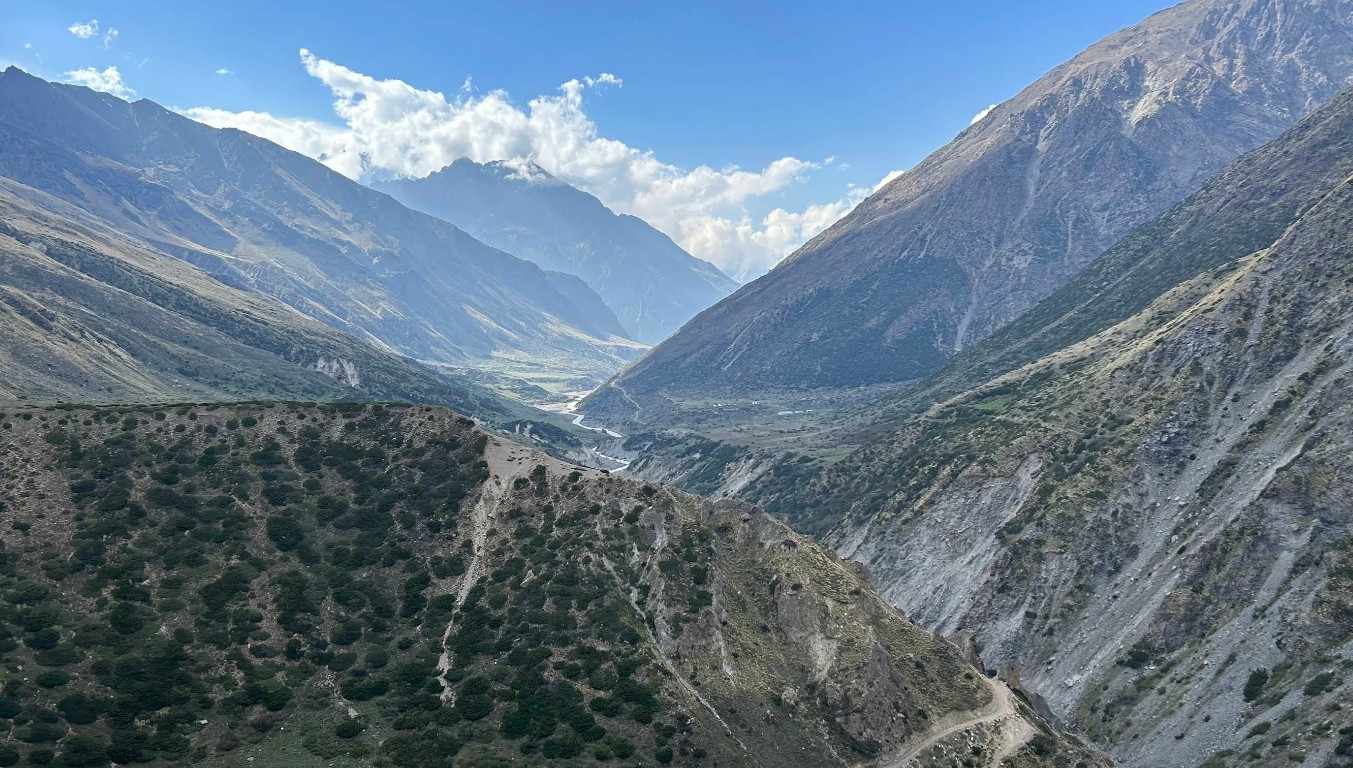
Daytime temperatures range between 10°C and 18°C, which feels pleasant during treks. Nights can still drop close to freezing, especially in early May. Clear skies dominate most days, offering breathtaking views of Chaukhamba and nearby peaks.
Why Summer is Ideal
Trek routes remain stable and dry
Temple rituals resume fully
Local villages reopen for travelers
Ideal for first-time visitors
For pilgrims, summer offers the most predictable conditions. Trekkers also appreciate the longer daylight hours and visible trails. If you want a balanced experience without extreme challenges, summer stands out as the safest choice.
Visiting Madmaheshwar During Monsoon (July to August)
Monsoon season tests patience and preparation. While the valley turns lush and green, travel becomes risky.
Weather Conditions in Monsoon
Rainfall remains frequent and heavy. Cloud cover reduces visibility, and sudden showers can last for hours. Temperatures stay moderate, but humidity rises sharply.
Challenges of Monsoon Travel
Landslides on approach roads
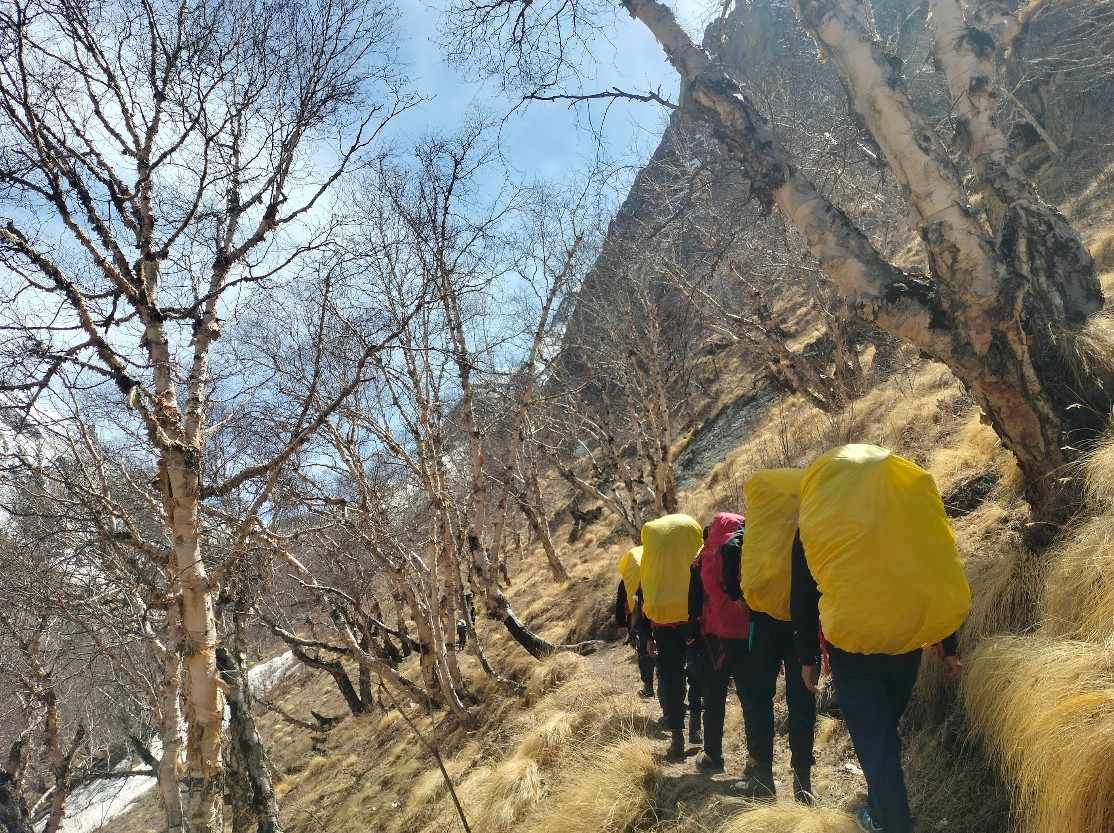
Slippery trekking paths
Frequent trail blockages
Limited emergency access
Although some experienced trekkers still attempt the journey, monsoon is not recommended for general visitors. Local authorities often issue advisories during this period, and transport disruptions remain common.
Visiting Madmaheshwar in Autumn (September to October)
Autumn quietly competes with summer as the best time to visit Madmaheshwar.
Weather Conditions in Autumn
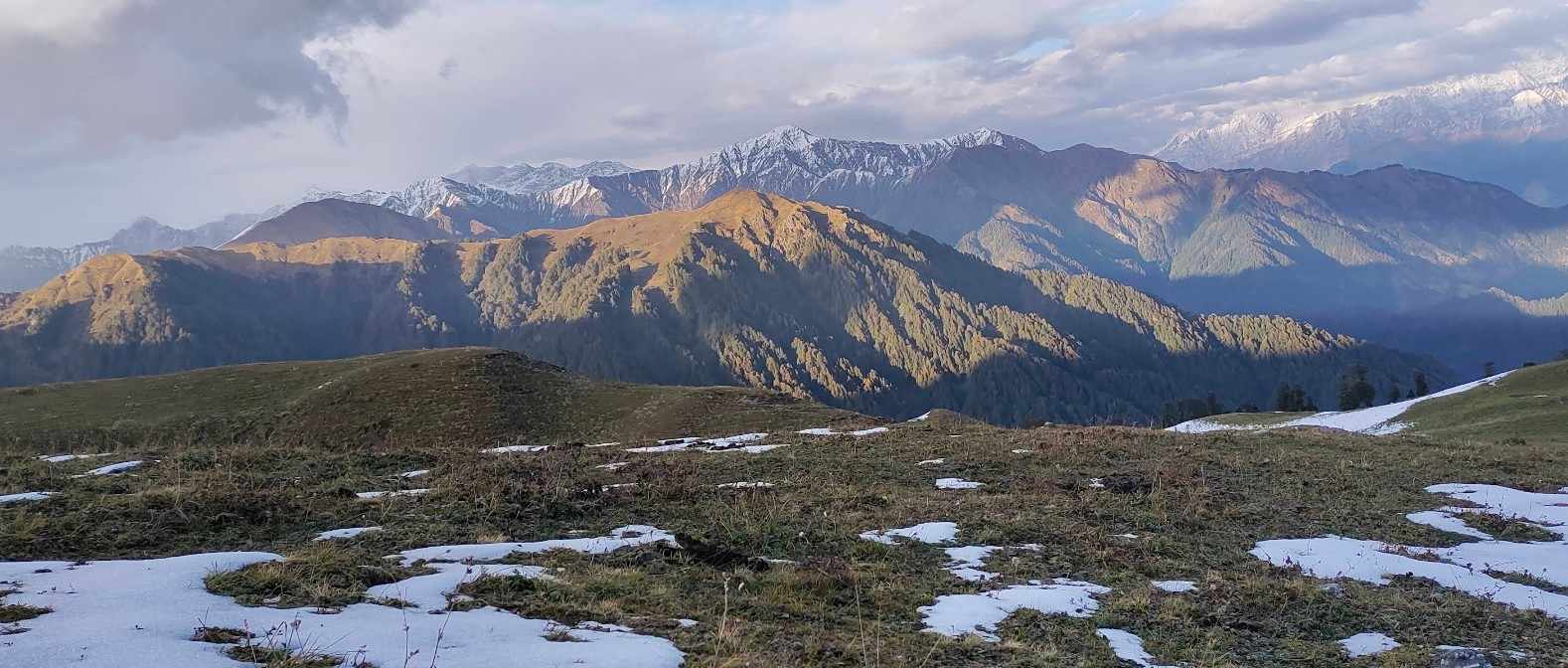
Rainfall fades by mid-September, leaving behind crisp air and clear skies. Daytime temperatures hover between 8°C and 15°C, while nights grow colder. Snowfall usually starts only after late October.
Why Autumn Works So Well
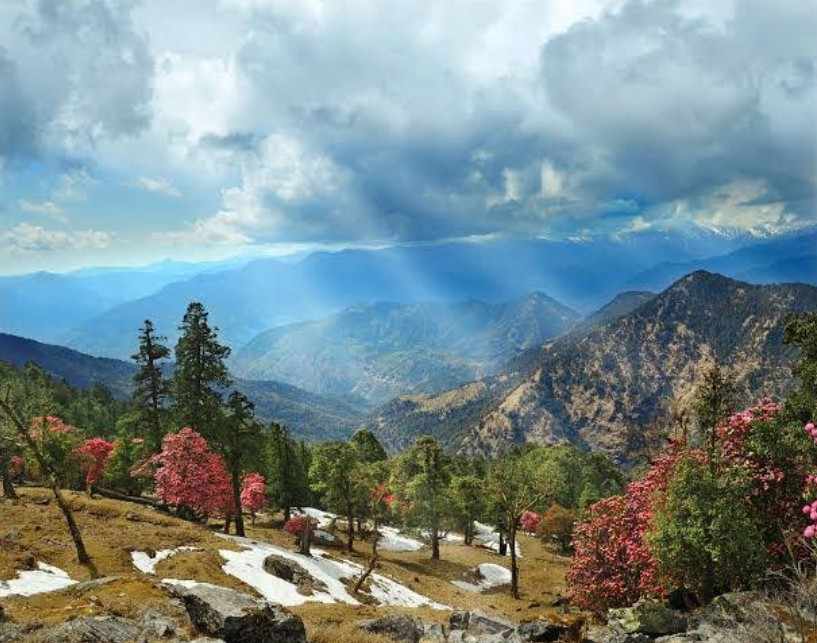
Fresh landscapes after monsoon
Clear panoramic mountain views
Fewer crowds than summer
Calm and peaceful atmosphere
Photography lovers and seasoned trekkers prefer this season. The silence feels deeper, and the trails feel more intimate. For those who value solitude without sacrificing safety, autumn delivers beautifully.
Visiting Madmaheshwar in Winter (November to April)
Winter turns Madmaheshwar completely inaccessible.
What Happens in Winter
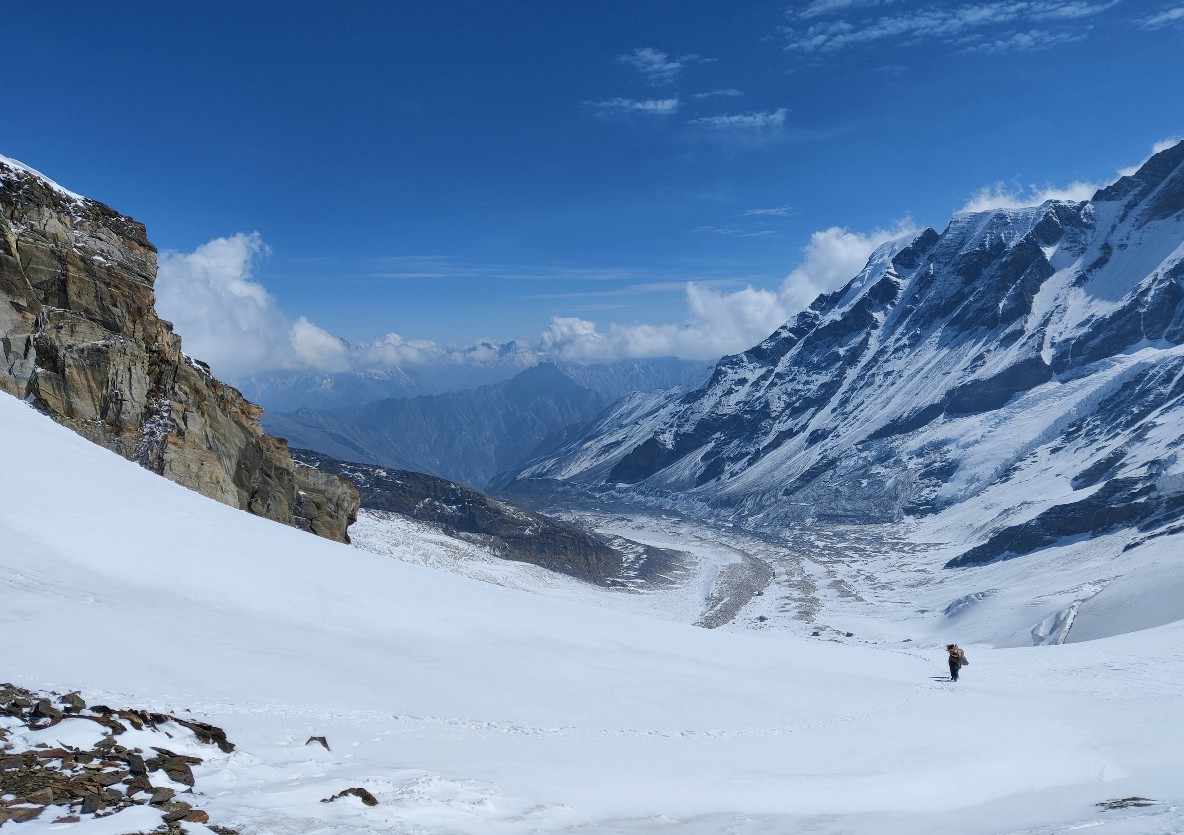
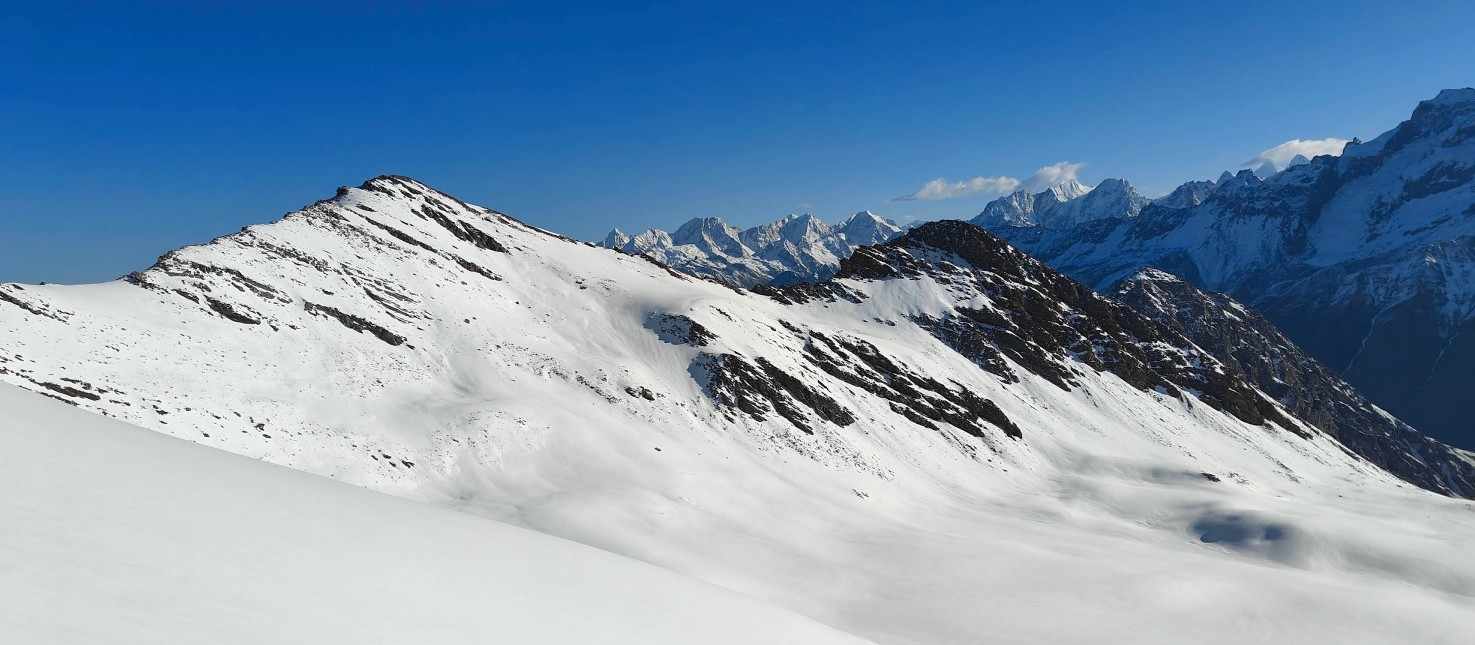
Heavy snowfall blocks trekking routes and covers the temple complex. Temperatures drop well below freezing, and local communities migrate to lower altitudes. The deity is ceremonially moved to Ukhimath for winter worship.
Important Winter Facts
Temple remains closed
No official trekking access
High avalanche risk
No accommodation available
Winter visits are not allowed or advised under normal circumstances. Planning during this period means postponement, not pilgrimage.
Month-Wise Overview for Easy Planning
May: Temple opens, snow still visible, cold nights
June: Peak season, stable weather, highest footfall
July–August: Monsoon, unsafe routes, not recommended
September: Clear skies, post-monsoon freshness
October: Cold nights, temple prepares for closure
November–April: Complete closure due to snow
Best Time for Different Types of Travelers
For Pilgrims
Late May to early June works best. Rituals remain active, and travel services operate smoothly.
For Trekkers
September offers ideal trail conditions with fewer people and stunning views.
For First-Time Visitors
June provides predictable weather and better support infrastructure.
For Photographers
Late September and early October bring dramatic skies and clean mountain lines.
Important Travel Tips Based on Season
Always check temple opening dates before planning
Carry warm layers even in summer
Avoid night trekking in all seasons
Keep buffer days for weather delays
Respect local advisories without exception
Local weather changes fast. What looks sunny at breakfast can turn cloudy by afternoon.
Final Verdict: When Should You Visit Madmaheshwar?
If you want clarity, safety, and a fulfilling experience, May June and September October remain the best time to visit Madmaheshwar. These months respect both nature and tradition. They allow you to focus on the journey instead of worrying about survival.
Madmaheshwar does not rush anyone. Plan patiently, respect the mountains, and choose your season wisely. When timing aligns, the experience stays with you long after the trek ends.

Write a comment ...